Innovative Equipment Solutions’ Wheel Wash Technology: Sustainable Practices for Environmental Compliance
May 26, 2025
Why Neptune Wash Is the Smart Choice for Exterior Cleaning
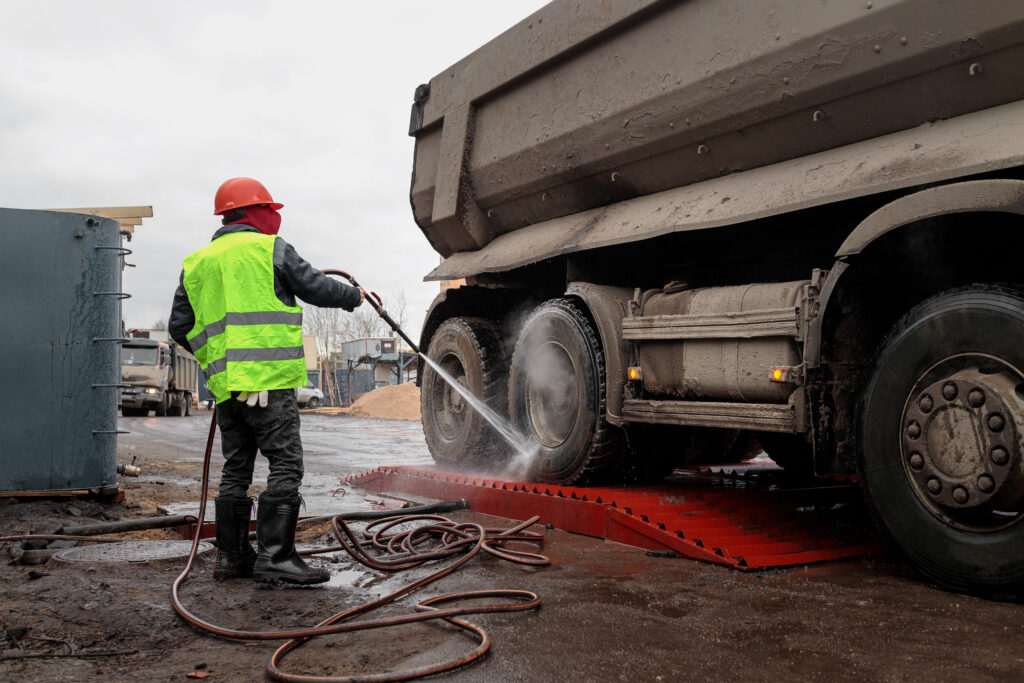
July 14, 2025Construction sites present a unique challenge when it comes to maintaining public safety, largely due to the heavy vehicles that frequently move between the site and public roads. These vehicles often carry mud, dirt, and debris on their wheels, which can easily be tracked onto surrounding streets, creating hazardous conditions for motorists and pedestrians alike. Wheel wash systems have emerged as a crucial solution to this problem, providing an automated way to clean vehicle wheels before they exit the site. This not only keeps the construction site cleaner but also significantly improves road safety by preventing dangerous contamination.
The importance of wheel wash systems cannot be overstated when it comes to controlling debris spread. According to Cross Plant Hire, maintaining a clean and debris-free construction site is vital for the safety of workers and visitors. By cleaning the wheels and undercarriages of vehicles, these systems reduce the amount of dirt transported onto public roads, helping to prevent slippery conditions and potential accidents caused by mud and debris. Additionally, KKE Wash Systems points out that dirty wheels reduce traction, which can increase the risk of skidding on both the construction site and public roads. Effective cleaning by wheel wash systems ensures vehicles maintain better grip, directly enhancing driver safety.
Aside from safety concerns, wheel wash systems are an important factor in ensuring regulatory compliance. Environmental and transportation agencies increasingly require construction sites to prevent mud, dust, and other contaminants from spreading to public areas. Failure to meet these regulations can result in costly fines or even work stoppages. The Neptune Wash blog highlights that modern construction sites benefit from automated wheel wash systems, which help keep sites compliant by removing debris and minimizing the risk of pollution. Similarly, KKE Wash Systems notes that regulatory authorities are enforcing these standards more strictly, making the implementation of wheel wash systems a practical necessity for many projects.
The benefits of wheel wash systems extend beyond safety and compliance. They can also lead to operational efficiencies and cost savings. Investing in automated cleaning technology reduces the need for manual wheel washing or frequent road cleanups, which can be labor-intensive and expensive. As discussed on the Neptune Wash blog, these systems facilitate quicker vehicle turnaround times, improving overall site productivity. Additionally, construction companies that maintain cleaner and safer sites often enjoy a better reputation with the local community. KKE Wash Systems emphasizes that a commitment to sustainability and public safety reflects positively on builders and contractors, helping to foster goodwill and trust.
When selecting a wheel wash system, it is essential to consider site-specific factors such as traffic volume, vehicle types, and budget. Wheelwash.com offers a detailed guide on planning and installing wheel wash systems tailored to construction site needs, ensuring maximum effectiveness. This resource helps companies understand the technical and logistical requirements for wheel washing, promoting cleaner and safer operations.
In summary, wheel wash systems play an indispensable role in improving public safety on construction projects by preventing contamination of public roads, enhancing vehicle traction, ensuring regulatory compliance, and delivering operational benefits. Construction companies that adopt these systems demonstrate a commitment to protecting both their workforce and the wider community while promoting environmental responsibility. For those interested in keeping their job sites clean and safe, investing in an effective wheel wash system is a smart, proactive step.