
Why Do Composting Facilities Need Industrial Wheel Wash Systems?
November 13, 2026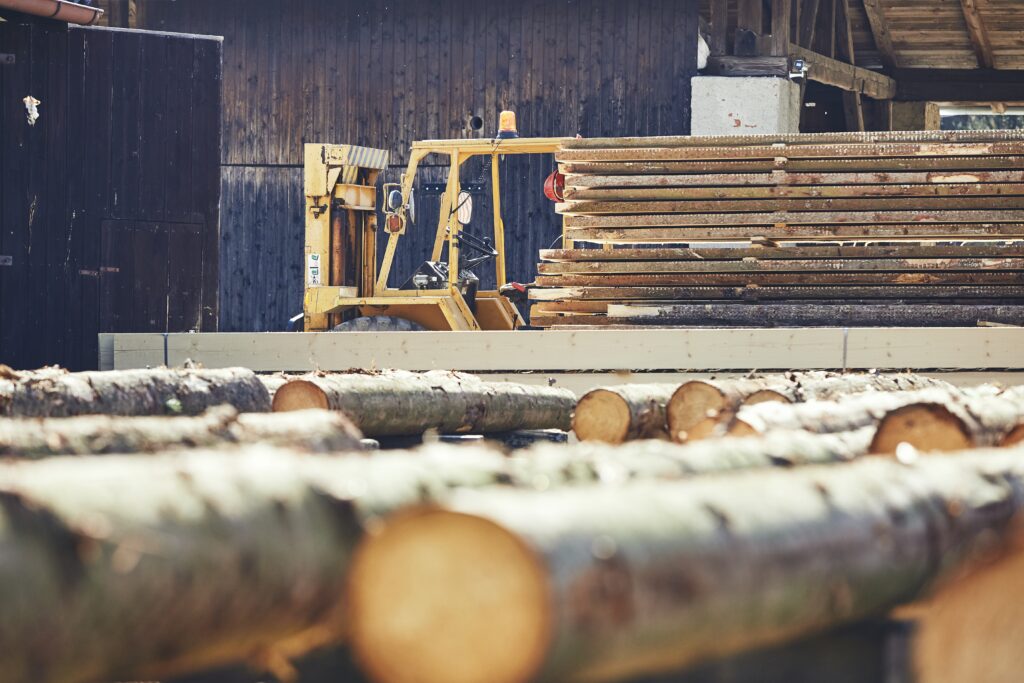
Why Do Lumber Mills and Wood-Products Yards Need Industrial Wheel Wash Systems?
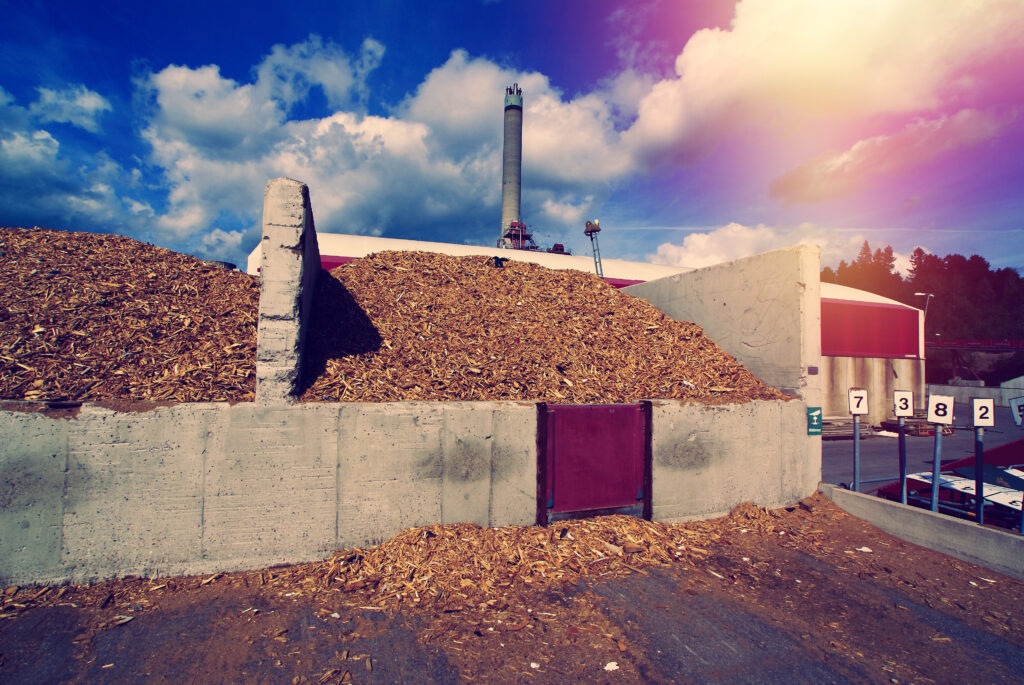
Lumber mills handle heavy truck traffic in changing weather. Log trucks may cross unpaved areas before reaching the gate. Mud and wood residue can cling to tires.
An industrial wheel wash cleans tires at the exit. It controls track-out while keeping loads on schedule.
A cleaner mill entrance starts inside the yard; wheel washing stops tire-borne material before it reaches the road.
What Causes Track-Out at Timber Facilities?
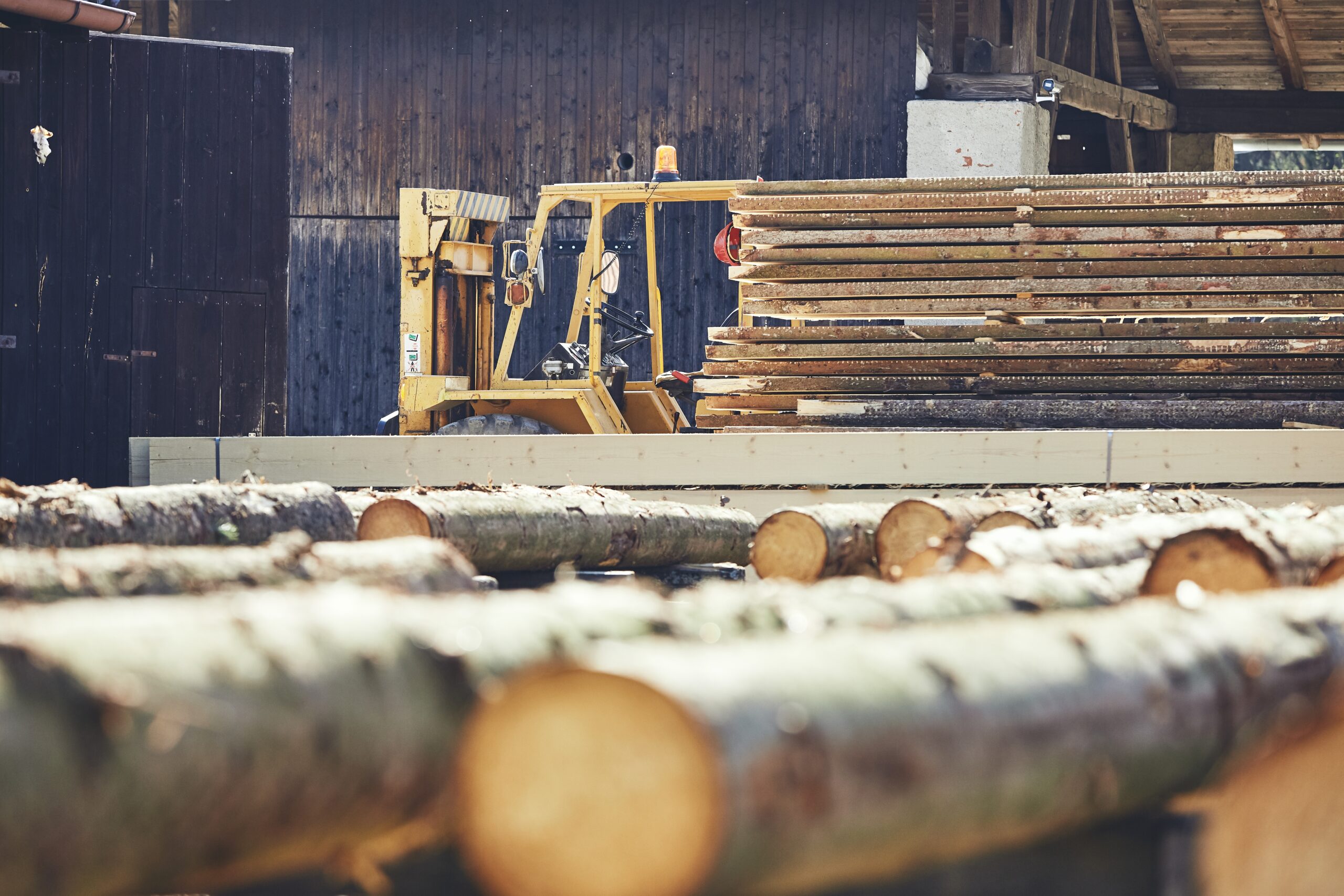
Log yards may contain soil, bark, wood fines, or standing water. Rain can create buildup that fills tire treads. Dual wheels may trap debris.
On pavement, that material can fall from tires. Wet deposits may create slick patches; dry fines may become airborne.
Sweeping helps after track-out occurs. A wheel wash cleans each required truck before it leaves.
How Does an Automated Wheel Wash Work?
Sensors start the wash when a truck enters. Water reaches tire faces and wheel gaps. Tire rotation moves packed tread through the spray.
Neptune wheel wash systems for heavy equipment can fit large trucks and demanding yard material. Longer platforms add tire turns for heavy mud.
Automated cleaning also keeps workers away from moving log trucks and manual hoses.
How Should a Mill Choose the Right System?
The choice begins with the material on the tires. Light dust may need a short cycle. Sticky mud may call for added tire turns.
Neptune’s guide to choosing a wheel wash system matches equipment with common soil conditions. Mills should plan around wet-season buildup.
The platform must fit the widest truck. The recycling tank must also support peak traffic and expected solids load.
Where Should the Wheel Wash Be Installed?
The wash should sit on the required exit route. A straight approach lets drivers enter safely. Clean tires should then cross a stable pad before reaching the road.
Queue space should reflect the busiest shipping period. Signs can guide drivers without creating conflicts near scales.
OSHA’s logging equipment guidance covers vehicle safety. The wash layout should fit the site’s traffic plan.
How Should Wash Water Be Managed?
Wash water may contain soil or wood residue. It should enter a collection system, not a storm drain.
The EPA’s stormwater guidance for timber-products facilities discusses runoff controls for exposed materials and vehicle washing. Permit requirements vary by facility.
A closed-loop system separates solids, then returns recovered water to the platform. This can cut fresh-water use while keeping removed material in a defined area.
What Maintenance Does the System Need?
Crews should inspect nozzles and sensors often. Tanks need cleanout before settled solids reduce capacity. Drainage paths should remain clear.
Large bark pieces or wood scraps should stay away from the wash platform. Good housekeeping protects pumps and limits clogs.
How Can Innovative Equipment Solutions Help?
Innovative Equipment Solutions can review truck size, yard material, traffic, space, and water needs. That review helps match the wash platform and tank to the mill.
The right industrial wheel wash can reduce track-out and road cleanup. It gives timber facilities a dependable exit process throughout wet or dry seasons.
FAQ
Can a wheel wash clean log-truck tires?
Yes. The platform can be sized for log trucks and heavy tire buildup. Site conditions should guide the required wash length.
Can bark and wood fines damage the system?
Small residue can enter the solids-handling process. Large pieces should be removed through routine housekeeping before they reach the tank.
Can recycled water be used at a lumber mill?
Yes, when site rules allow it. The collection system must keep wash water within the approved handling process.