How Can Industrial Wheel Wash Systems Support Dredging and Sediment Dewatering Sites?
October 28, 2026
Why Do Composting Facilities Need Industrial Wheel Wash Systems?
November 13, 2026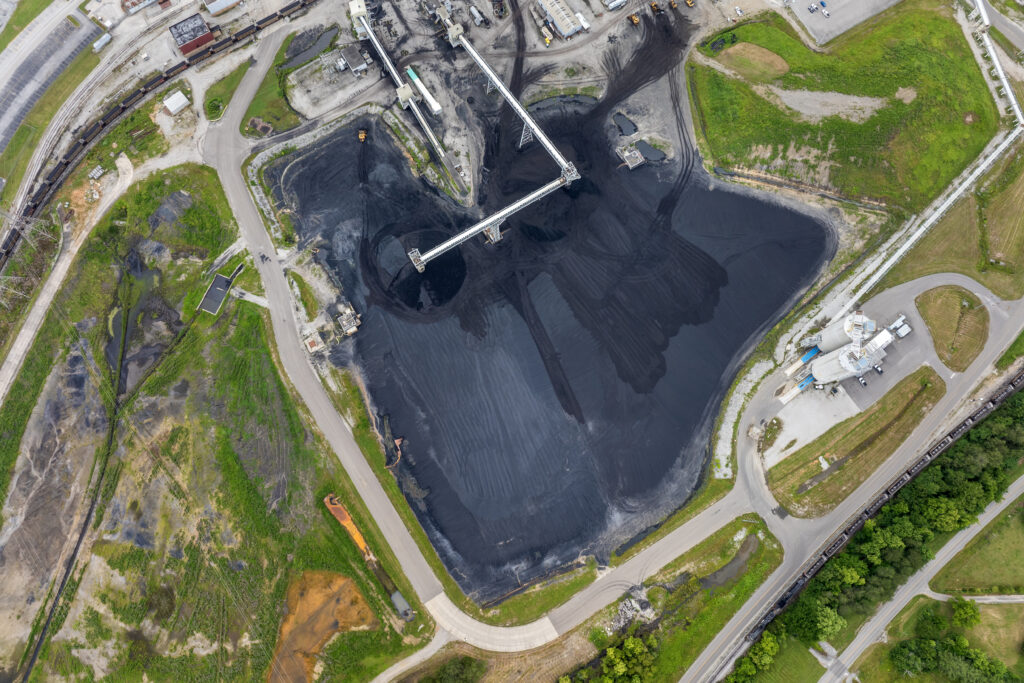
How Can Industrial Wheel Wash Systems Support Coal Ash Remediation Sites?
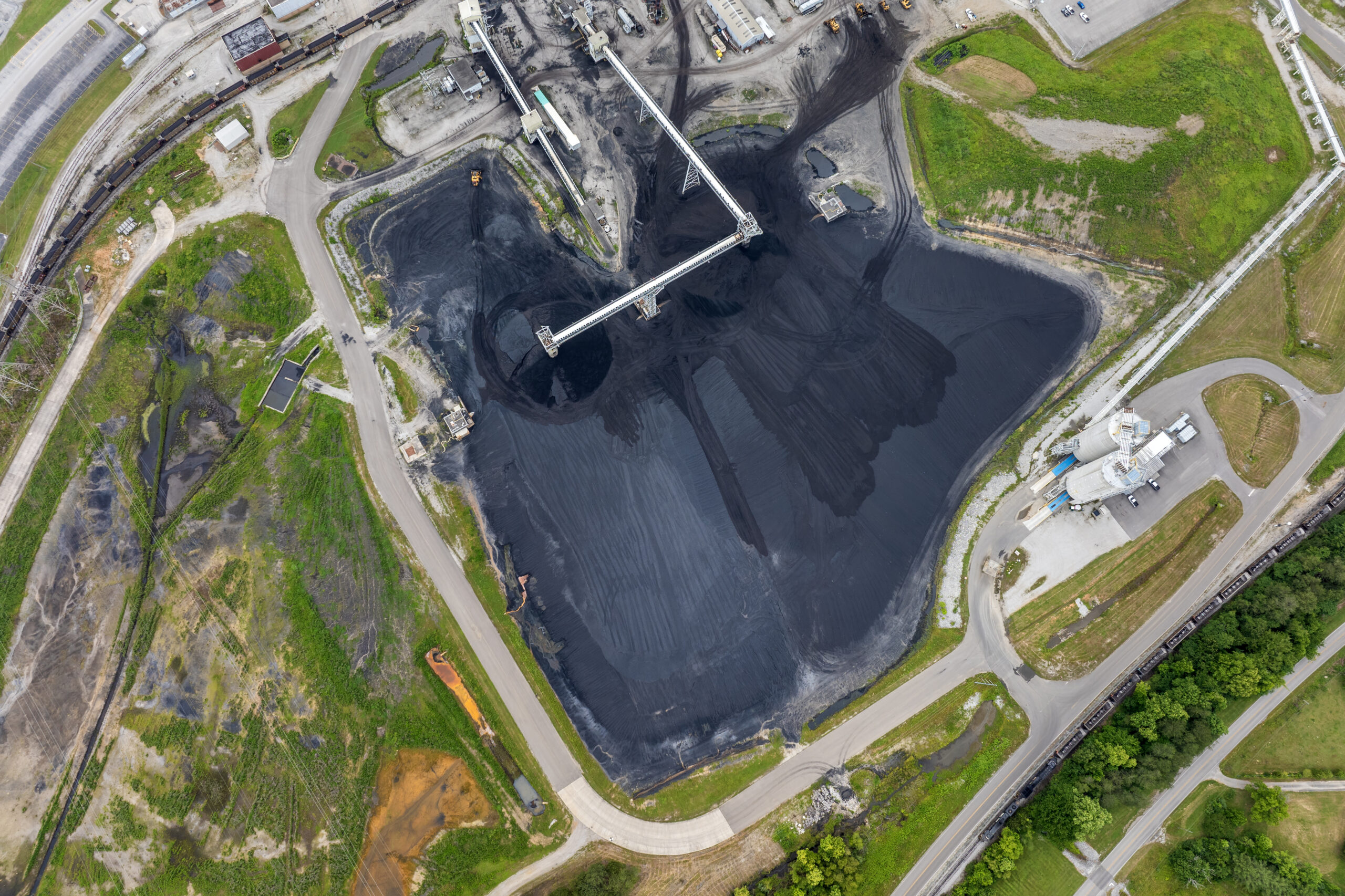
Coal ash pond closure can involve heavy earthwork. Haul trucks move ash or soil across temporary roads. Fine material can collect on tires before trucks reach public streets.
An industrial wheel wash cleans tires at the exit. It reduces track-out while supporting the haul schedule.
Wheel washing does not manage the ash itself; it helps keep tire-borne material within the planned work zone.
Why Is Track-Out a Concern During Coal Ash Work?
Coal combustion residuals, often called CCR, can cling to damp tires. Closure work may also expose wet soil.
Packed buildup can fill tire treads and wheel gaps. On pavement, it may fall onto the road. Wet deposits can form slick patches; dry particles may become dust.
A wheel wash gives each required truck a set cleaning step.
What Type of Wheel Wash Fits Heavy Haul Trucks?
The system must fit the largest vehicle and daily traffic. Large haulers may need a wide platform and undercarriage coverage.
Neptune wheel wash systems for heavy equipment are designed for large vehicles and fly ash. Custom platform lengths add tire turns when residue is hard to remove.
The recycling tank must support peak truck flow. An undersized tank loses capacity as solids build up.
Where Should the System Be Installed?
The wash should sit on the required exit route. Trucks need a straight approach. A stable exit pad keeps clean tires from collecting fresh material.
The EPA’s construction track-out guidance recommends placing wash stations at site exits and directing wash water to a sediment trap or suitable treatment area.
Signs can guide drivers through the wash. Queue space should reflect the busiest haul period.
How Should Wash Water and Removed Solids Be Managed?
Wash water may contain site material. It must stay within an approved process, not flow toward a storm drain.
A closed-loop system separates solids, then returns water to the platform. This can cut fresh-water use while keeping material in a defined area.
Site teams must set handling steps for captured water and solids. Those steps should follow the project plan.
Does a Wheel Wash Help Meet CCR Requirements?
A wheel wash can support track-out control, but it does not replace closure work or monitoring. The EPA’s coal combustion residuals rulemaking page provides updates on federal CCR requirements.
Owners should determine how wheel washing fits the approved closure plan. State or local rules may add duties.
What Maintenance Does the System Need?
Crews should inspect nozzles and sensors often. Tanks need cleanout before solids reduce capacity. Pumps and drainage paths should also remain clear.
Crews should clear debris before it enters the tank. A set maintenance schedule helps preserve wash performance.
How Can Innovative Equipment Solutions Help?
Innovative Equipment Solutions can review truck size, site material, traffic, space, and water needs. That review helps match the wash platform and tank to the remediation plan.
The right system can reduce track-out and road cleanup. It gives coal ash projects a dependable exit control during demanding site work.
FAQ
Can a wheel wash remove fine fly ash from truck tires?
Yes. High-volume water can remove loose ash and wet buildup. Platform length should match the site’s hardest cleaning conditions.
Can the system wash large off-road haulers?
Yes. Heavy-equipment systems can be sized for large vehicles. The approach and platform width must suit the selected truck.
Can wash water be recycled at a CCR site?
It may be possible through a closed-loop system. The environmental team must confirm how water and captured solids will be handled.