
The Contractor’s Guide To Affordable Job Site Cleanliness
July 31, 2025
Why Water Recycling is the Future of Construction Sites
August 11, 2025
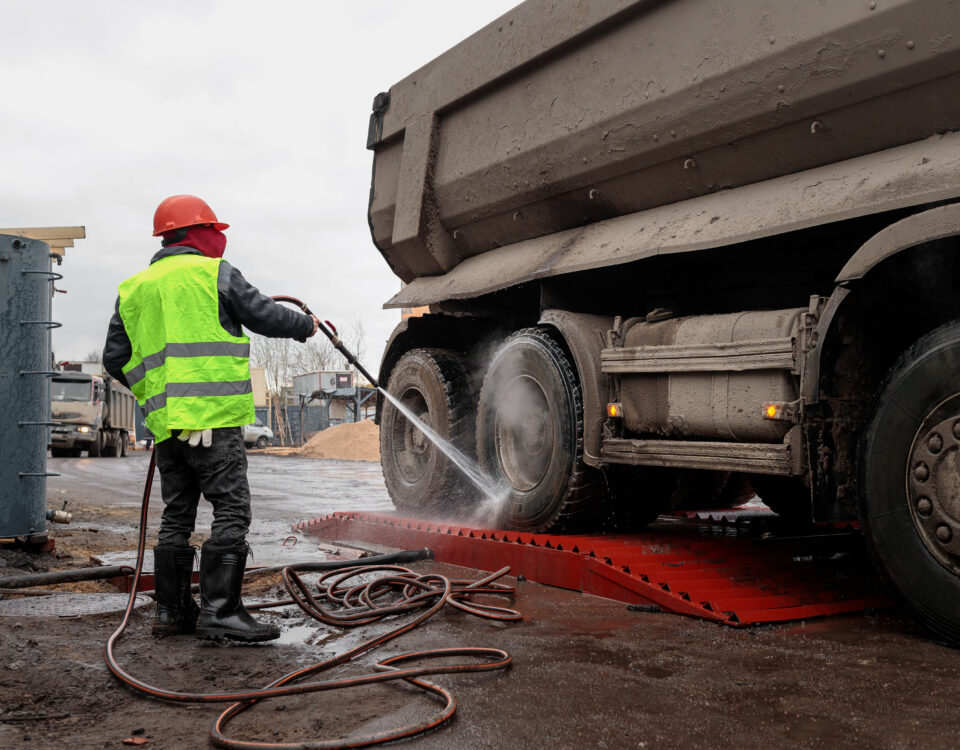
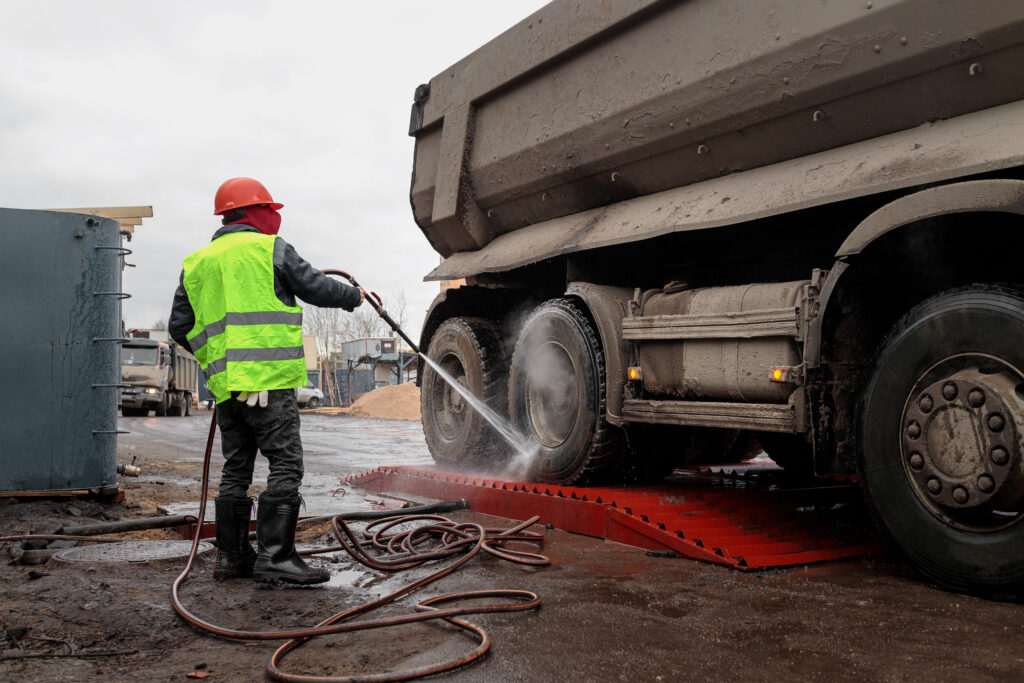
Construction and industrial job sites come with unique challenges, and safety is always the top priority. Heavy machinery, trucks, and construction equipment constantly move across the site, often leaving behind mud, dirt, and debris. Not only can this create hazards on the job site itself, but it can also track potentially harmful materials onto public roads, creating safety and environmental risks. That’s where automated wheel wash systems come in. These innovative systems are designed to keep job sites cleaner, safer, and more efficient by washing debris from vehicle tires before they leave the site.
One of the biggest safety concerns on job sites is preventing slippery surfaces caused by mud and dirt tracked by trucks and heavy equipment. Wet conditions can turn even a small amount of debris into a serious hazard, increasing the risk of slips, falls, and vehicle accidents. Automated wheel wash systems minimize these risks by cleaning the tires of construction and industrial vehicles before they reach main roads or other high-traffic areas on the site. Keeping the job site cleaner improves both worker safety and efficiency.
In addition to improving on-site safety, automated wheel wash systems help companies stay compliant with local and environmental regulations. Many areas have strict rules about preventing debris and sediment from being tracked onto public roads, which can cause accidents or stormwater contamination. By cleaning vehicles before they exit the site, contractors reduce their liability and maintain compliance. This proactive approach also improves the company’s public image by showing a commitment to safety and environmental responsibility.
For companies focused on sustainable practices, automated wheel wash systems can also play a role in environmental protection. By preventing sediment, chemicals, and construction debris from leaving the job site, these systems reduce the risk of polluting nearby waterways and public roads. According to the Environmental Protection Agency, keeping job sites clean and managing stormwater runoff properly are critical steps in maintaining compliance and avoiding fines. This added layer of environmental responsibility not only keeps the community safe but also enhances the company’s reputation as an eco-conscious contractor.
Another benefit of automated wheel wash systems is their ability to save time and labor. Traditional methods of manually hosing down truck tires are not only inefficient but also inconsistent. Automated systems provide a thorough, high-pressure wash in seconds, allowing trucks to keep moving without long wait times. This means your team can focus on completing projects instead of managing avoidable cleanup tasks.
For construction sites in particular, maintaining productivity is critical. Mud buildup on tires can cause vehicles to skid or slow down, especially in wet conditions. By keeping tires free of debris, automated wheel wash systems improve traction and vehicle performance, reducing downtime caused by stuck or damaged equipment. Over time, this can translate to significant cost savings for contractors and developers.
At Innovative Equipment Solutions, we provide cutting-edge solutions that make job sites safer and more efficient. Our automated wheel wash systems are designed to handle high-traffic sites, delivering powerful cleaning performance while conserving water. For companies looking to improve safety, reduce environmental impact, and maintain smooth operations, investing in a wheel wash system is a smart and cost-effective decision.
To learn more about how these systems can improve compliance and protect public roads, check out Neptune Wash, a leading name in industrial wheel wash technology. With the right system in place, your job site can stay cleaner, safer, and more productive year-round.
By making automated wheel wash systems part of your job site safety strategy, you’re not just meeting regulations—you’re protecting your team, your equipment, and the surrounding community. Cleaner tires lead to cleaner roads, safer working conditions, and a stronger reputation for professionalism on every project.