
Save Time and Money: The ROI of Investing in Automated Wheel Wash Systems
May 15, 2025
Innovative Equipment Solutions’ Wheel Wash Technology: Sustainable Practices for Environmental Compliance
May 26, 2025
Construction and industrial operations generate an enormous amount of dirt, dust, and debris—especially around vehicle traffic. Without proper control, this debris can easily spread from worksites onto public roads, increasing safety hazards and violating local environmental regulations. One of the most effective ways to mitigate this issue is by installing an automated wheel wash system at vehicle exits. These systems offer a practical and powerful solution for maintaining cleanliness, boosting efficiency, and staying compliant with environmental standards.
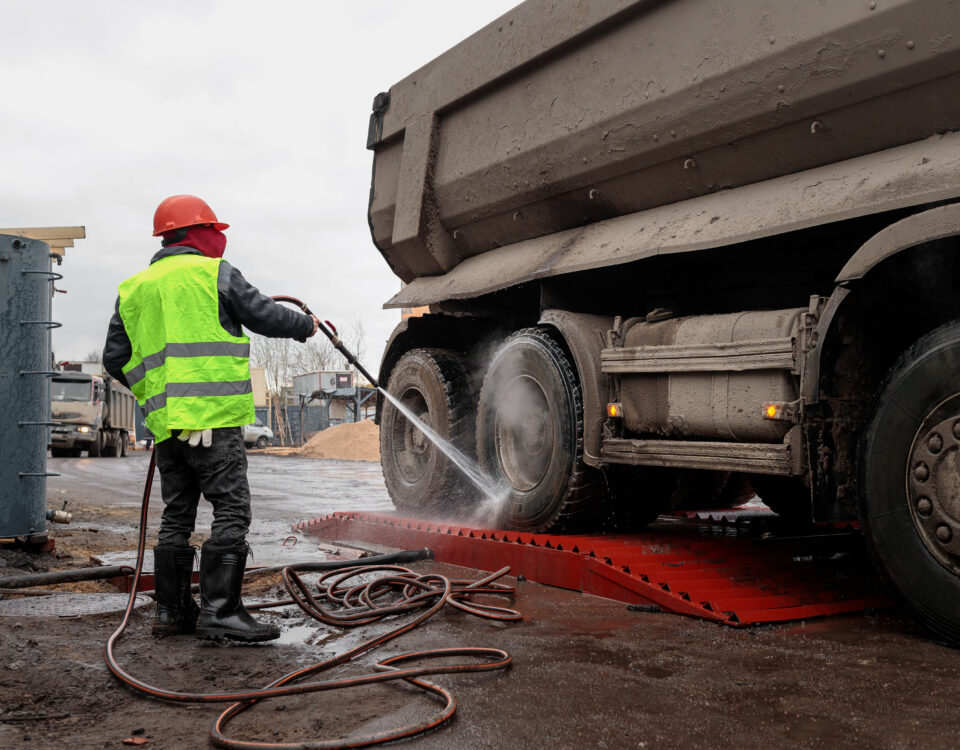
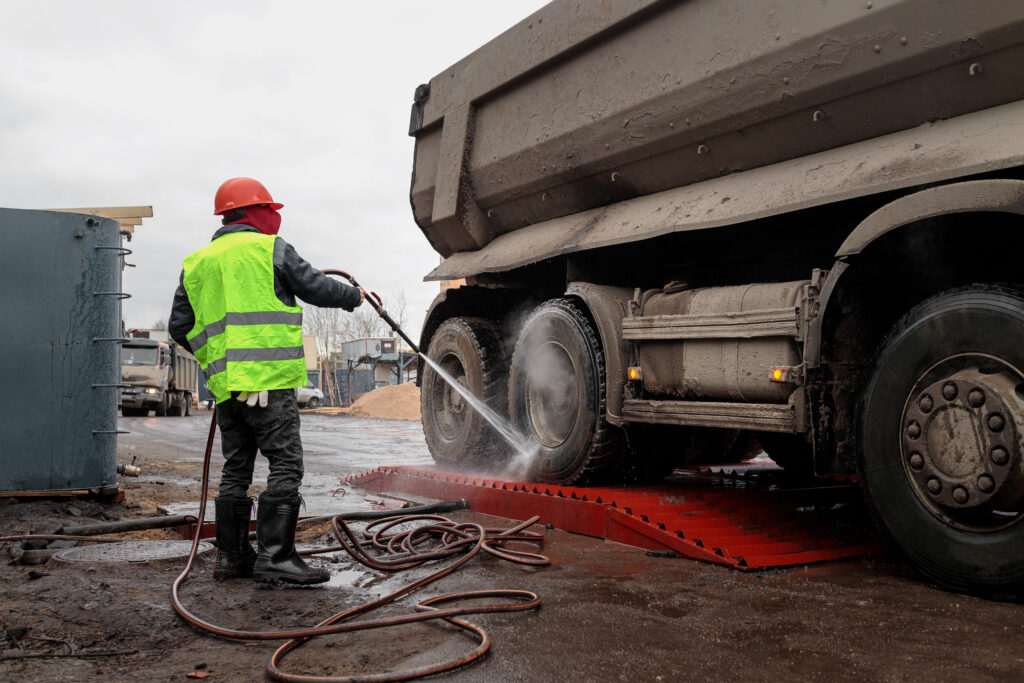
One of the most immediate and noticeable benefits of using an automated wheel wash system is the reduction of track-out from mud, gravel, and construction dust. Heavy-duty trucks and equipment can carry contaminants on their tires from the site onto surrounding roads, creating hazardous conditions and attracting scrutiny from local officials. A properly installed wash system removes debris before vehicles leave the property, significantly minimizing this risk.
Beyond keeping roads clean, automated wheel wash systems also contribute to stronger environmental protection. Particles and sediment from construction sites are often washed into storm drains, where they can enter rivers, lakes, and groundwater systems. A wheel wash station helps capture these pollutants before they leave the site. According to the Environmental Protection Agency (EPA), controlling sediment and erosion is one of the most important steps in protecting water quality near construction zones. With these systems in place, companies can more confidently meet runoff control requirements and demonstrate proactive environmental responsibility.
From a legal perspective, compliance with local, state, and federal regulations is another major reason to invest in a wheel wash system. Many municipalities enforce strict guidelines regarding the cleanliness of vehicles exiting construction sites. Failing to comply can lead to fines, project delays, or even shutdowns. An automated wash system ensures consistency, reduces human error, and helps protect your operation from regulatory violations.
Automated wheel wash systems are also a smart move when it comes to improving overall site efficiency. Manual washing methods not only slow down traffic flow but are also labor-intensive and less effective. Automated solutions streamline this process, allowing vehicles to move quickly through a designated station while receiving a thorough and uniform cleaning. This keeps operations running smoothly and cuts down on labor costs and delays.
In addition to their functional benefits, these systems also support a company’s public image. A site that prioritizes cleanliness and environmental protection sends a message to the community, stakeholders, and prospective clients that it operates with integrity and professionalism. Especially in high-visibility projects or urban environments, having a wheel wash system in place can reflect positively on the company’s values and reputation.
At Neptune Wash, we specialize in designing and manufacturing wheel wash systems built to withstand the toughest job site conditions. Whether your goal is to comply with strict environmental regulations or simply keep operations running efficiently, our automated solutions can be tailored to fit your site’s needs. Our systems are engineered for reliability, performance, and long-term value—helping your team focus on what matters most.
Ultimately, automated wheel wash systems are more than just a best practice—they’re a necessity for modern construction and industrial sites. They reduce risk, support compliance, enhance sustainability, and promote a cleaner work environment. As project demands and environmental expectations continue to rise, investing in this type of solution is a proactive step forward for any responsible business.