
Why Do Steel Mills and Metal-Processing Plants Need Industrial Wheel Wash Systems?
October 21, 2026
How Can Industrial Wheel Wash Systems Support Coal Ash Remediation Sites?
November 6, 2026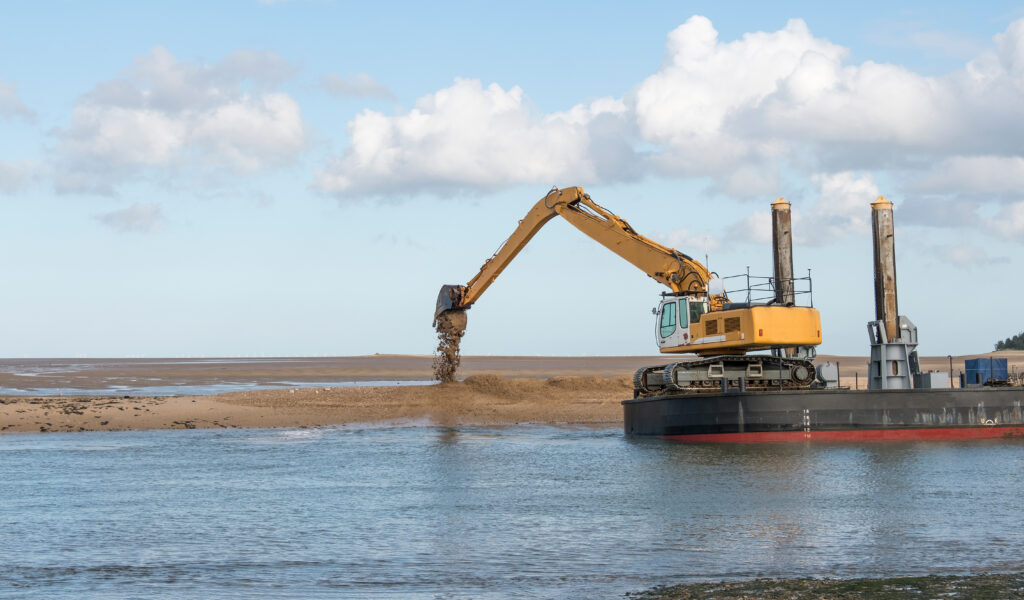
How Can Industrial Wheel Wash Systems Support Dredging and Sediment Dewatering Sites?
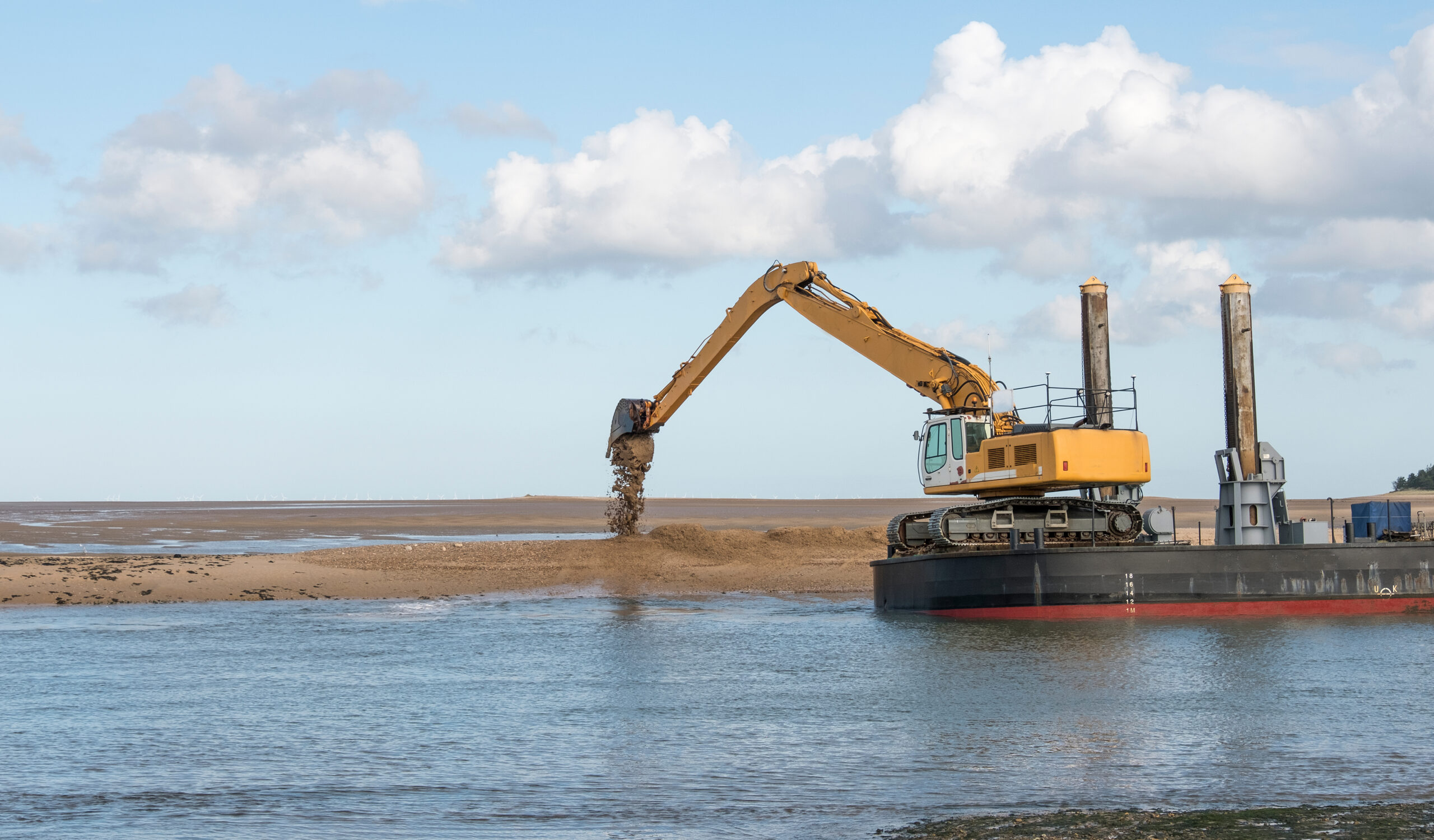
Dredging projects place wet material in a managed work area. Once sediment is dewatered, trucks may haul it to an approved site. Tires can collect soft soil near the loading zone.
An industrial wheel wash cleans tires before the truck reaches a public road. It helps control track-out at a busy exit.
Dredged material needs a clear handling plan; wheel washing helps keep tire-borne sediment inside the managed site.
Why Is Track-Out Common at Dredging Sites?
Dredged sediment can hold water. After dewatering, it may remain soft and sticky. Haul trucks can pick it up near loading pads.
Sediment may fill deep treads or lodge between dual wheels. Once the truck reaches pavement, that buildup may fall onto the road.
Wet deposits may create slick areas; dried material can become dust. Exit cleaning addresses the problem before it spreads.
How Does an Automated Wheel Wash Work?
Sensors start the wash as a truck enters. Water reaches tire faces and wheel gaps. Tire rotation moves packed tread through the spray.
Neptune automated wheel wash systems offer different platform lengths. A longer platform adds tire turns for sticky sediment. Automation keeps workers away from moving trucks.
How Should the System Be Sized?
The wash must fit the largest truck. Platform length should reflect tread buildup. The tank must handle peak traffic and the expected solids load.
Neptune’s guide to choosing a wheel wash system compares wash options for soil conditions ranging from light grit to packed clay. Dredging teams should plan around the hardest material expected during the project.
An undersized system may need frequent cleanout or leave sediment attached during heavy traffic.
Where Should the Wheel Wash Be Placed?
The platform should sit on the required exit route. Drivers need a straight approach. A stable pad keeps clean tires from collecting fresh sediment.
The wash should allow drainage within the site. Queue space is also important when several trucks arrive at once.
The U.S. Army Corps of Engineers provides a dredged material evaluation guide for assessing disposal options. Site requirements depend on the material and approved plan.
How Should Wash Water Be Managed?
Wheel wash water may contain sediment from the work area. It must be captured, not released toward the waterway or a storm drain.
The EPA’s construction dewatering guide covers inspection and monitoring. Teams should follow their permit and local rules for site water.
A closed-loop wash can separate solids, then return recovered water to the platform. This lowers fresh-water use and keeps removed sediment within a defined area.
How Can Innovative Equipment Solutions Help?
Innovative Equipment Solutions can review sediment type, truck size, traffic, site space, and water needs. That review helps match the platform and tank to the project.
The right wheel wash can reduce road cleanup and support a cleaner haul route. It gives dredging crews a steady exit process while sediment moves off-site.
FAQ
Can a wheel wash remove sticky dredged sediment?
Yes. Sticky material may require added tire turns and a longer platform. The final setup should reflect field conditions.
Can the wheel wash use recycled water?
Yes, when the system and project rules allow it. Captured water must remain within the approved handling process.
How often should the tank be cleaned?
Cleaning frequency depends on traffic and sediment load. Crews should remove settled solids before tank capacity or wash performance drops.