How to Reduce Site Dust and Debris with Neptune Wash Technology
September 15, 2025
Why Every Construction Site Needs a Professional Wheel Wash Solution
September 29, 2025
Environmental compliance automated wheel wash systems are quickly becoming a must-have for construction companies that want to stay ahead of regulations and avoid costly setbacks. In 2025, the demand for accountability in construction has never been greater. From stormwater runoff regulations to dust control requirements, contractors face increasing scrutiny to keep their job sites clean and environmentally responsible. Automated wheel wash systems are one of the simplest and most effective tools for making compliance not just achievable, but easy.
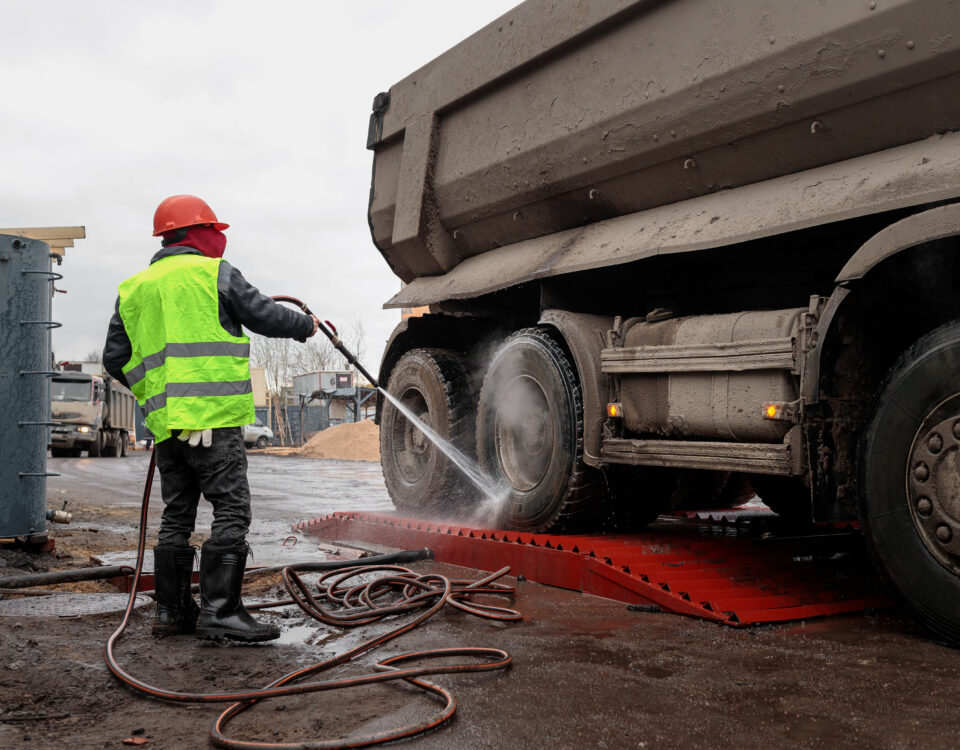
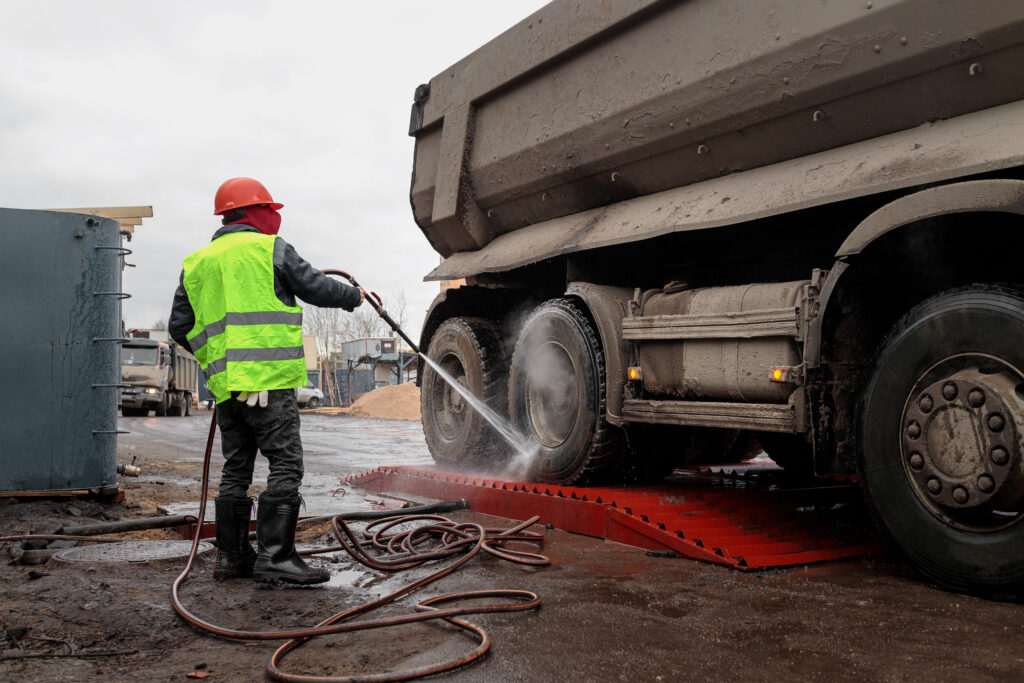
Construction sites are a major source of sediment, dust, and debris that can spread beyond the project boundaries if left unchecked. Trucks leaving a site with mud or contaminants on their wheels can quickly create problems on nearby roads and in surrounding communities. These issues often result in environmental violations, which carry significant fines and damage a company’s reputation. Automated wheel wash systems directly address this risk by cleaning trucks before they exit the site. With high-powered water jets and engineered platforms, they remove mud, dust, and sediment in seconds, preventing pollutants from leaving the property.
One of the key reasons these systems make environmental compliance easy is consistency. Manual washdowns are unreliable and labor-intensive, often leaving behind debris that regulators would still consider noncompliant. Automated systems, on the other hand, deliver the same level of cleaning to every truck, every time. This ensures that compliance is not dependent on human error and gives construction managers peace of mind that their sites meet required standards. For inspectors, seeing an automated wheel wash in place is often enough to demonstrate that the contractor takes compliance seriously.
Another factor is sustainability. Modern wheel wash systems designed by IES and Neptune Wash use advanced water recycling systems to capture, filter, and reuse water multiple times. Instead of wasting fresh water with every wash, these systems minimize consumption and align with green building practices. Not only does this reduce costs for contractors, but it also reinforces their commitment to environmental stewardship. In a market where sustainability is increasingly valued, being able to show measurable actions like reduced water use sets companies apart from the competition.
Compliance is not just about avoiding fines—it is about protecting communities. Dust from construction sites can travel far, impacting air quality and creating health concerns for residents and workers. Runoff from muddy vehicles can pollute waterways, affecting local ecosystems. Automated wheel wash systems tackle these issues at their source, helping contractors protect the environment and demonstrate their role as responsible partners in the community. This kind of proactive approach builds trust with regulators and the public alike.
For construction companies, the financial benefits of automated wheel wash systems cannot be ignored. By avoiding violations, preventing delays, and lowering labor costs associated with manual cleaning, the return on investment is significant. Over time, the savings in fines, project interruptions, and reputational damage far outweigh the initial installation costs. With regulators tightening restrictions year after year, the value of reliable compliance tools is only growing.
Ultimately, environmental compliance in 2025 does not have to be overwhelming or complex. With automated wheel wash systems, contractors gain an efficient, cost-effective, and sustainable solution that makes compliance easier than ever. By investing in technology that delivers consistent results, companies can focus on completing projects safely, on time, and with confidence that their environmental responsibilities are being met.
To learn more about IES and Neptune Wash solutions for construction compliance, visit Neptune Wash. For additional information on state and federal environmental regulations for construction, explore resources from the U.S. Department of Transportation Federal Highway Administration.