
Why Are Wheel Wash Systems Required for Construction Site Compliance?
January 5, 2026
Reducing Track-Out and Protecting Roads with Professional Wheel Wash Solutions
January 19, 2026
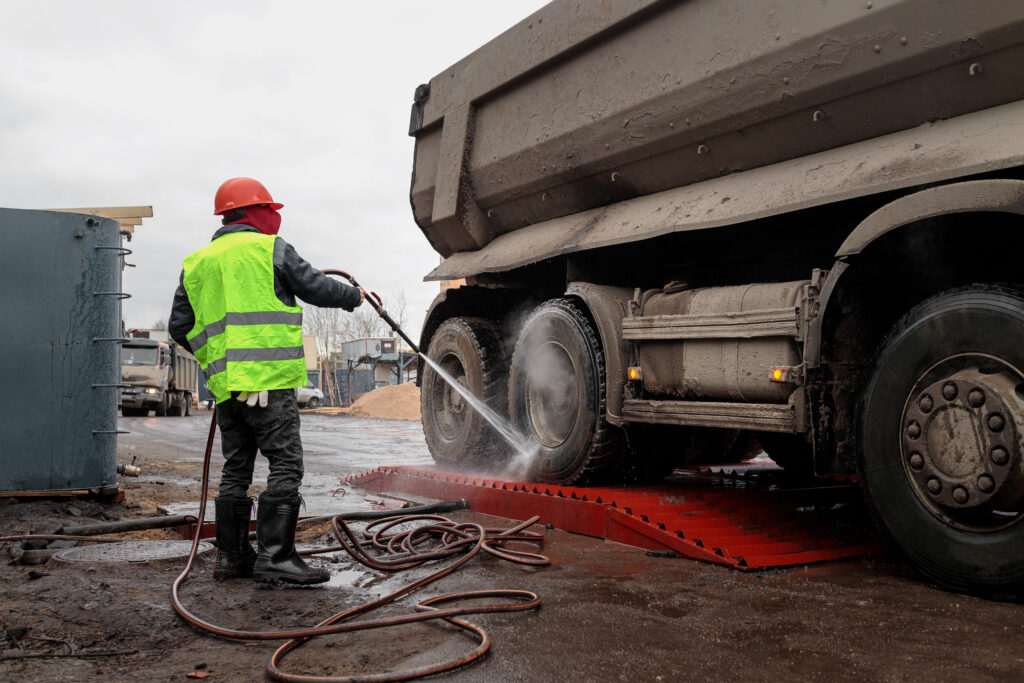
Construction sites are constantly moving, with trucks and heavy equipment entering and exiting throughout the day. While that movement is essential to getting work done, it also creates one of the most common compliance problems contractors face: track out. Track out happens when mud, dirt, and debris stick to vehicle tires and undercarriages and are carried from the jobsite onto public roads. This issue may seem minor at first, but it can quickly lead to safety hazards, environmental violations, and expensive penalties. Wheel washing plays a critical role in preventing track out and helping construction sites stay compliant. At Neptune Wheel Wash, we work with contractors to provide effective wheel wash solutions that reduce risk and keep projects moving forward.
https://www.neptunewash.com
When construction debris ends up on roadways, it creates unsafe driving conditions. Mud and sediment can make pavement slippery, especially during rain, increasing the risk of accidents for drivers, cyclists, and pedestrians. Debris on roads can also damage pavement and clog storm drains, leading to flooding and costly infrastructure repairs. The U.S. Department of Transportation identifies roadway debris as a serious safety concern, which is why many local and state agencies require contractors to actively prevent construction related materials from leaving the site.
https://www.transportation.gov/safety
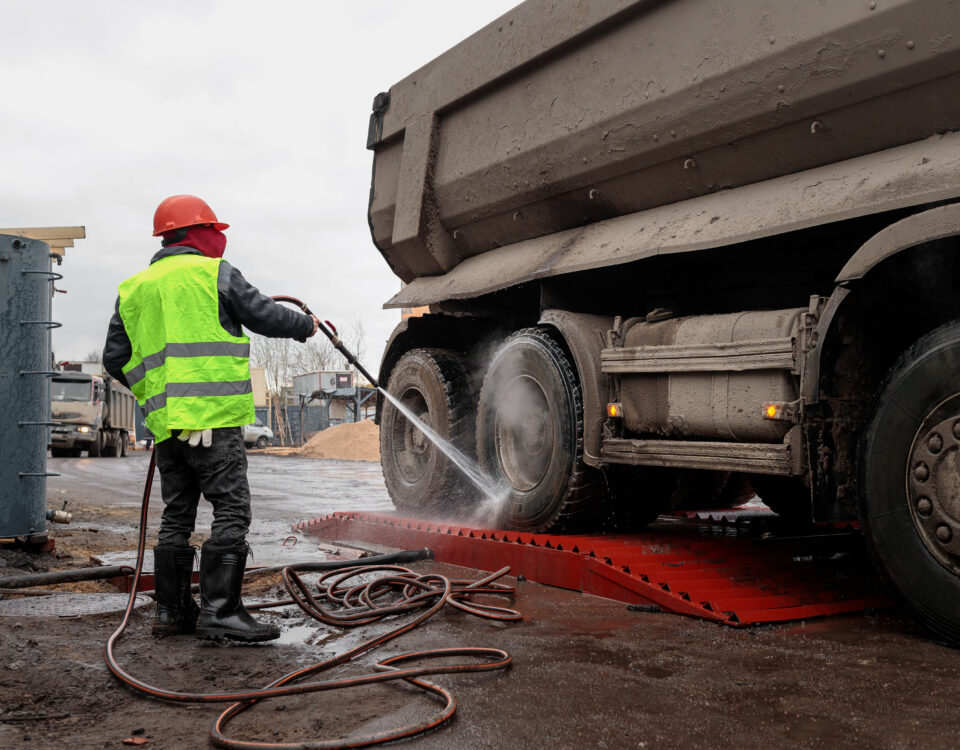
Wheel washing addresses the problem at its source. By cleaning tires and undercarriages before vehicles exit the jobsite, wheel wash systems remove the dirt and sediment that cause track out. This proactive approach is far more effective than reactive methods such as street sweeping after debris has already spread. Once mud reaches public roads, cleanup becomes more time consuming, expensive, and visible to regulators and the public. Wheel wash systems help stop the problem before it begins, keeping access points clean and reducing the need for constant corrective measures.
Environmental compliance is another major reason wheel washing is so important. Sediment is one of the leading pollutants affecting rivers, lakes, and streams. When dirt from construction sites washes into storm drains, it often flows directly into natural waterways without treatment. This runoff can harm aquatic life, reduce water quality, and place construction projects in violation of stormwater permits. The Environmental Protection Agency emphasizes erosion and sediment control as a key responsibility for construction operators, and wheel washing is widely recognized as an effective best management practice.
https://www.epa.gov/nps/sediment-erosion
Many construction permits include specific language requiring contractors to control track out and maintain clean site entrances. Inspectors frequently check for signs of mud on roadways near active projects. If track out is observed, contractors may face warnings, fines, or stop work orders until the issue is resolved. These enforcement actions can delay schedules and increase costs significantly. Installing a dependable wheel wash system demonstrates a commitment to compliance and helps reduce the likelihood of violations that interrupt progress.
Wheel washing also supports better relationships with surrounding communities. Construction projects already bring noise, dust, and traffic changes, which can frustrate nearby residents and businesses. When muddy roads and debris are added, complaints often increase. Keeping public streets clean shows professionalism and respect for the community. Contractors who invest in wheel wash systems often experience fewer complaints and less scrutiny from local authorities, which can make a noticeable difference over the course of a long project.
Modern wheel wash systems also support efficiency and sustainability. Many systems are designed to recycle wash water by capturing sediment and reusing filtered water for future washes. This reduces water consumption while still delivering consistent cleaning performance. Using recycled water not only lowers operating costs over time but also aligns with broader environmental responsibility goals within the construction industry.
Wheel washing is not just about avoiding fines. It is about creating safer roads, protecting the environment, and maintaining smooth operations from start to finish. Preventing track out through proper wheel washing helps construction sites remain compliant, reduces cleanup costs, and minimizes disruptions that can derail schedules. Neptune Wheel Wash systems are built to perform in demanding conditions, providing reliable cleaning that helps contractors meet regulatory requirements with confidence. To learn more about how wheel washing can protect your site and prevent costly violations, visit Neptune Wheel Wash.
https://www.neptunewash.com