
Reducing Track-Out and Protecting Roads with Professional Wheel Wash Solutions
January 19, 2026
Your Guide to Industrial Wheel Wash Systems: Keeping Sites Clean and Compliant
February 13, 2026
Keeping a construction project running smoothly requires more than skilled crews and quality materials. It also depends on how well a site is managed day to day, especially when it comes to cleanliness and compliance. One of the most common challenges construction sites face is controlling dirt and debris as vehicles move in and out. Without proper controls, mud and sediment can quickly spread beyond the jobsite, creating safety hazards, regulatory issues, and costly interruptions. Wheel wash systems have become an essential solution for helping construction sites remain clean, compliant, and fully operational throughout every phase of a project. At Neptune Wheel Wash, we design professional wheel wash systems that help contractors address these challenges efficiently and responsibly.
https://www.neptunewash.com
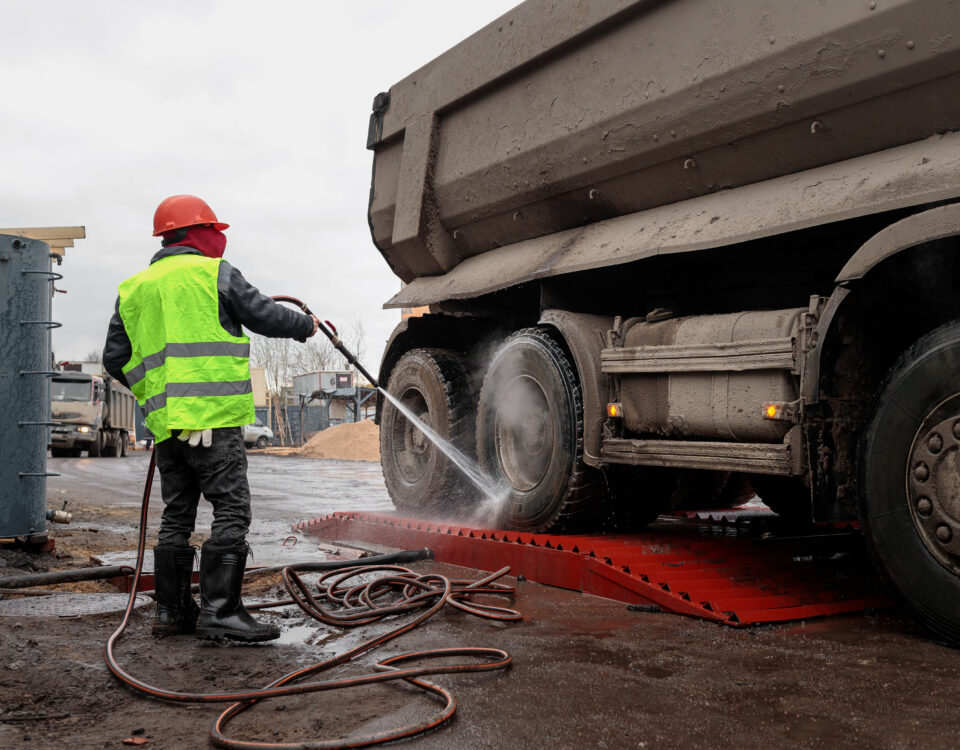
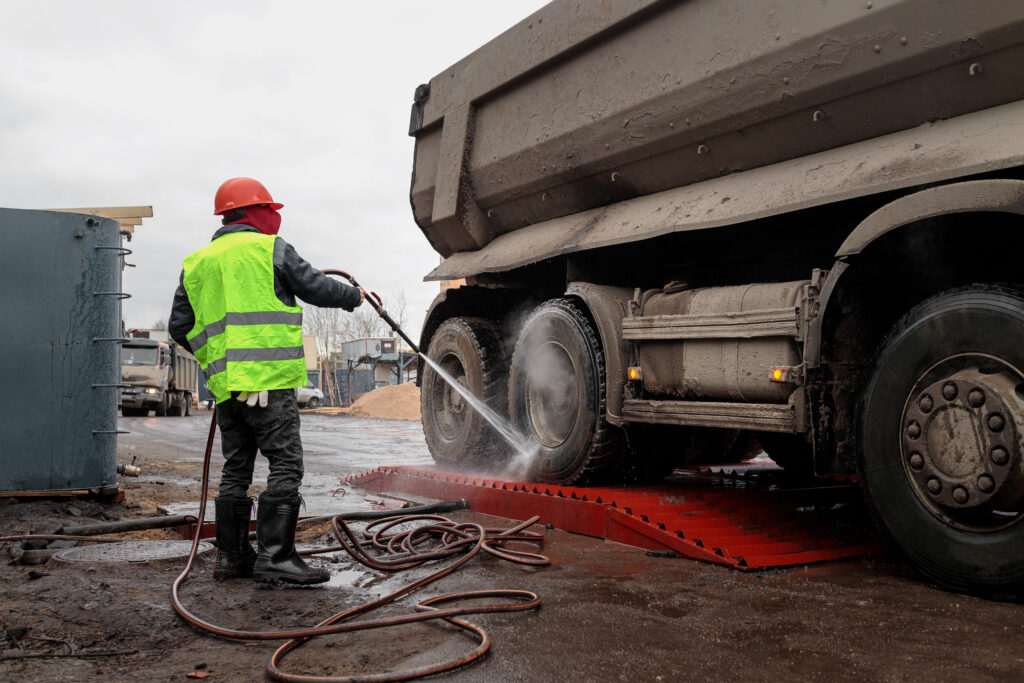
As trucks and heavy equipment exit a construction site, dirt often clings to tires and undercarriages. This material is then deposited onto public roads, sidewalks, and nearby properties, a problem commonly referred to as track out. Even small amounts of sediment can create dangerous conditions on paved surfaces, especially when combined with rain or early morning moisture. Slippery roads increase the risk of accidents for motorists, cyclists, and pedestrians. The United States Department of Transportation identifies roadway debris as a significant safety concern, reinforcing the importance of keeping travel surfaces clear near active construction zones. Wheel wash systems address this issue at the source by cleaning vehicles before they reach public roads, reducing the likelihood of debris related incidents.
https://www.transportation.gov/safety
Environmental compliance is another critical reason wheel wash systems play such an important role on construction sites. Sediment is one of the most common pollutants affecting waterways across the United States. When dirt from construction activities enters storm drains, it often flows directly into rivers, lakes, and streams without treatment. This runoff can damage aquatic ecosystems, reduce water quality, and contribute to erosion and flooding. The Environmental Protection Agency emphasizes erosion and sediment control as a key responsibility for construction operators, especially on sites that disturb soil over extended periods. Wheel wash systems help minimize the amount of sediment leaving a site, supporting stormwater compliance and reducing environmental impact.
https://www.epa.gov/nps/sediment-erosion
Regulatory compliance goes hand in hand with safety and environmental protection. Many local and state permits include requirements to prevent track out and maintain clean construction entrances and exits. Inspectors routinely monitor nearby roadways for signs of mud and debris linked to construction activity. If violations are observed, contractors may receive citations, fines, or stop work orders until corrective action is taken. These enforcement actions can cause costly delays and disrupt project schedules. Installing a wheel wash system demonstrates a proactive approach to compliance and helps reduce the risk of enforcement issues that interfere with progress.
Wheel wash systems also contribute to better relationships with surrounding communities. Construction projects often operate near residential neighborhoods, schools, or commercial areas where noise, dust, and traffic changes are already a concern. When muddy roads are added to those disruptions, frustration among residents and business owners can grow quickly. Keeping streets clean shows professionalism and respect for the surrounding area. Contractors who prioritize cleanliness through wheel wash systems often experience fewer complaints and less pressure from local officials, which helps projects proceed with fewer obstacles.
From an operational standpoint, wheel wash systems improve overall efficiency on the jobsite. Without automated cleaning systems, crews may need to spend time sweeping roads, washing equipment manually, or responding to complaints and inspections. These tasks pull workers away from construction activities and slow productivity. Modern wheel wash systems are designed to clean vehicles quickly and consistently, allowing trucks to enter and exit the site without unnecessary delays. Many systems also incorporate water recycling technology, capturing sediment and reusing filtered water to reduce consumption and support sustainability goals.
Staying clean and compliant is not just about meeting minimum requirements. It is about protecting public infrastructure, maintaining project momentum, and demonstrating responsible construction practices. Wheel wash systems help prevent problems before they arise rather than reacting after violations occur. By controlling track out at the source, these systems support safer roads, cleaner waterways, and smoother operations.
For contractors and project managers focused on keeping their sites running efficiently, wheel wash systems are a practical and proven solution. Neptune Wheel Wash systems are built to perform in demanding construction environments, helping sites stay clean, compliant, and operational every day. To learn more about how our wheel wash solutions can support your construction project, visit Neptune Wheel Wash.
https://www.neptunewash.com