
Why Every Construction Site Needs a Professional Wheel Wash Solution
September 29, 2025
Protect Drivers And Job Sites With Innovative Wheel Wash Technology
October 13, 2025
Every construction site is governed by one overriding priority — safety. Meeting OSHA standards isn’t just about compliance; it’s about protecting workers, equipment, and the surrounding environment. One of the most effective yet often overlooked solutions for improving site safety and cleanliness is the installation of advanced wheel wash systems. These systems play a critical role in minimizing hazards, controlling debris, and keeping operations aligned with federal and state safety requirements.
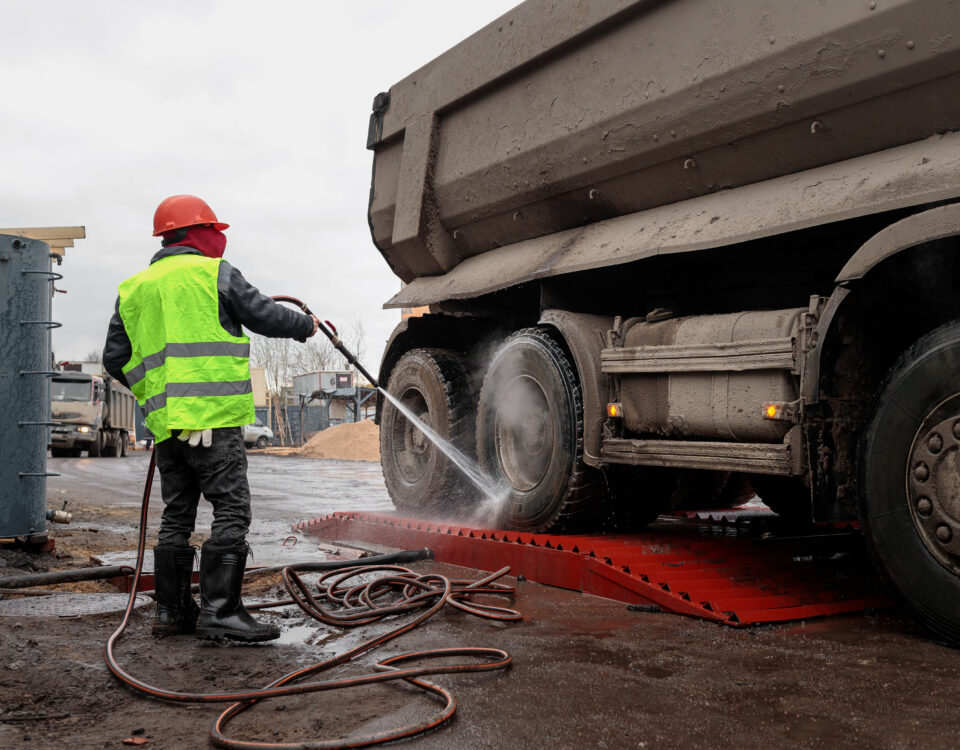
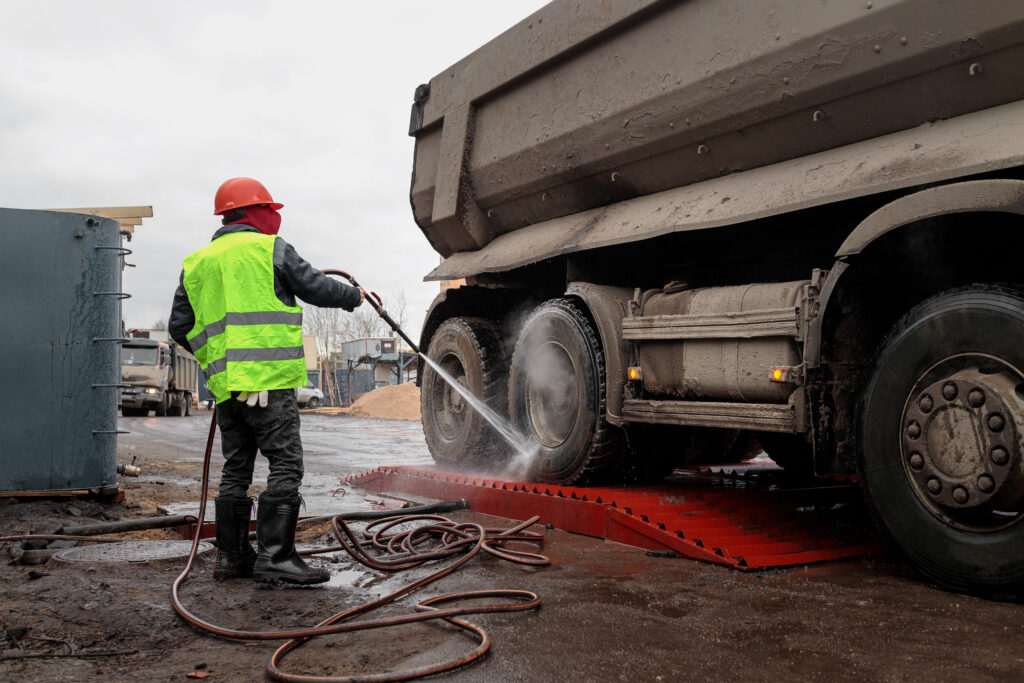
At Neptune Wash, safety and compliance are built into every system design. Their wheel wash and tire cleaning solutions help prevent the spread of mud, dust, and contaminants that often leave worksites, creating slippery surfaces and road hazards. According to the Occupational Safety and Health Administration (OSHA), debris buildup and poor site maintenance are major contributors to workplace injuries. By integrating wheel wash technology, companies can address these risks proactively and create cleaner, more controlled environments.
The purpose of wheel wash systems goes far beyond aesthetics. When heavy vehicles exit job sites without proper cleaning, they track dirt, chemicals, and construction residue onto public roads. This can lead to environmental violations and unsafe driving conditions. The Environmental Protection Agency (EPA) identifies uncontrolled runoff from construction sites as a leading cause of sediment pollution in nearby waterways. Wheel wash systems prevent these contaminants from leaving the property, ensuring compliance with environmental standards while reducing liability for the company.
Proper site hygiene directly impacts worker safety and regulatory performance. Inadequate wash practices allow fine dust particles and mud to accumulate, creating slip hazards that compromise footing for personnel and vehicle operators. Regular use of wheel wash systems helps keep paths and roadways clear, ensuring vehicles maintain stable traction and employees avoid preventable accidents. For industries where OSHA inspections are frequent, having a documented system in place for vehicle cleaning demonstrates due diligence and helps sites pass audits with confidence.
Another important advantage of automated wheel wash technology is consistency. Manual cleaning methods depend on human oversight and vary in effectiveness. Automated systems, such as those engineered by IES Wash Systems, maintain a uniform cleaning process that removes debris efficiently from every tire and undercarriage. This consistency not only meets OSHA’s cleanliness expectations but also protects valuable equipment from long-term wear caused by grit and buildup. The result is a safer, more productive work environment that minimizes downtime and maintenance costs.
From a business standpoint, investing in wheel wash systems also protects a company’s public image. Mud or debris tracked onto nearby roads can result in complaints, fines, and even reputational damage. Maintaining a clean site demonstrates professionalism, responsibility, and commitment to both safety and sustainability. For project managers, this level of control enhances stakeholder confidence and helps secure future contracts that demand compliance-ready operations.
The engineers at Neptune Wash design each system to fit the unique demands of different industries, including construction, mining, and logistics. Each installation is built with efficiency, durability, and environmental protection in mind. By using recycled water systems and energy-efficient pumps, Neptune Wash ensures clients can meet OSHA and EPA expectations without increasing operational costs.
Ultimately, meeting OSHA standards isn’t about checking a box; it’s about integrating safety into every phase of a project. Advanced wheel wash systems embody that principle by reducing risk, improving compliance, and protecting both workers and communities. For companies striving to maintain the highest safety and environmental standards, adopting Neptune and IES technology represents more than compliance — it’s a wise investment in long-term operational integrity.