
What Happens When You Don’t Use an Industrial Wheel Wash System? Common Questions Answered
April 14, 2026
10 Common Myths About Industrial Wheel Wash Systems: Questions and Answers
April 28, 2026
Are Industrial Wheel Wash Systems a Competitive Advantage? Your Questions Answered
When people think about industrial wheel wash systems, they often focus on compliance and cleanliness. While those benefits are important, many companies discover that wheel wash systems also provide a competitive advantage that helps them win projects, improve client relationships, and operate more efficiently.
Let's explore some of the most common questions about how wheel wash systems can help businesses stand out from the competition.

What Is an Industrial Wheel Wash System?
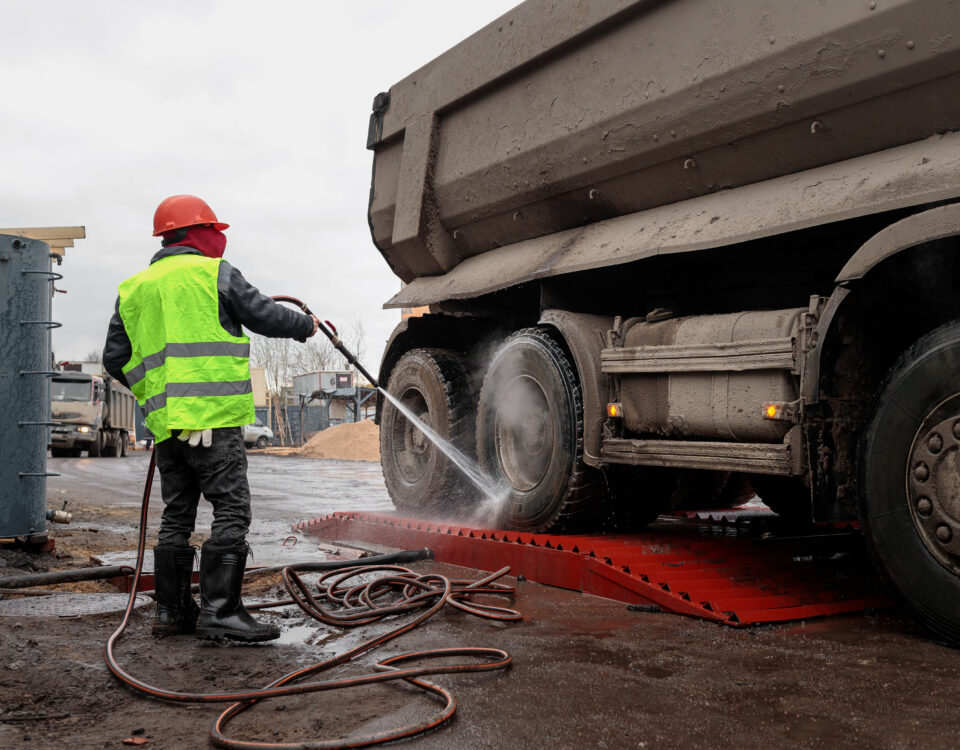
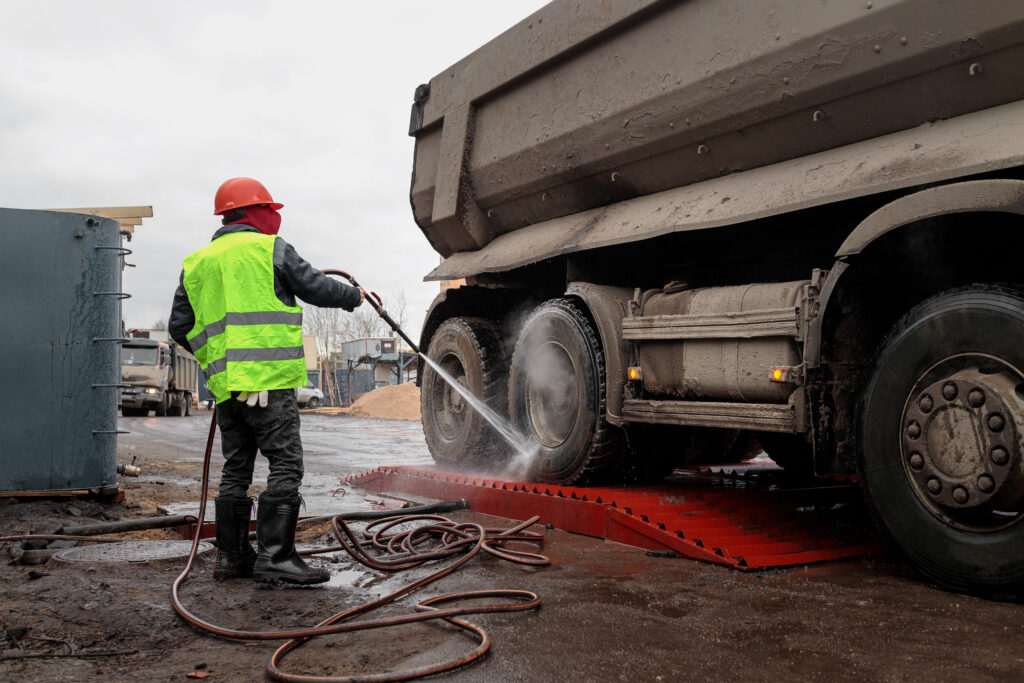
An industrial wheel wash system is designed to remove mud, dirt, sediment, and debris from truck tires and undercarriages before vehicles leave a job site.
These systems are commonly used at construction sites, mining operations, quarries, landfills, and industrial facilities where vehicle traffic can create track-out issues on public roads.
Many modern automated wheel wash systems clean vehicles quickly and consistently without disrupting site productivity.
How Can a Wheel Wash System Improve a Company's Professional Image?
First impressions matter.
Whether you're working on a large infrastructure project or a commercial construction site, clients, inspectors, and community members notice how well a site is managed.
Clean roads, organized entrances, and reduced mud accumulation demonstrate attention to detail and a commitment to responsible operations.
Companies that maintain cleaner sites often project a more professional image than competitors who allow debris to accumulate.
Do Project Owners Care About Site Cleanliness?
Absolutely.
Project owners want contractors who can deliver results while minimizing disruptions to surrounding communities and infrastructure.
A wheel wash system helps demonstrate that your organization takes environmental stewardship, safety, and operational excellence seriously.
For many project owners, these qualities can influence contractor evaluations and future opportunities.
Can Wheel Wash Systems Help Win More Contracts?
While a wheel wash system alone won't secure a project, it can strengthen your overall proposal.
Many public agencies, developers, and large corporations evaluate contractors based on their safety programs, environmental practices, and risk management strategies.
A documented commitment to controlling track-out and protecting public roadways can help differentiate your company from competitors.
How Do Wheel Wash Systems Improve Community Relations?
Construction and industrial projects often operate near residential neighborhoods, businesses, and public roadways.
When mud and debris are tracked onto roads, nearby stakeholders may become frustrated and submit complaints.
Wheel wash systems help reduce these issues by keeping vehicles cleaner before they leave the site.
Organizations that maintain cleaner roads often experience fewer complaints and stronger community relationships.
Do Wheel Wash Systems Support Sustainability Goals?
Yes.
Many companies are working to improve their environmental performance and reduce their operational footprint.
Advanced water recycling systems allow wheel wash equipment to capture, filter, and reuse water, reducing overall consumption while maintaining cleaning effectiveness.
This supports sustainability initiatives while helping control operating costs.
How Do Wheel Wash Systems Help Reduce Risk?
Risk management is an important part of every industrial operation.
By reducing mud and debris on public roads, wheel wash systems can help minimize:
-
Safety concerns
-
Environmental issues
-
Regulatory challenges
-
Public complaints
-
Road maintenance expenses
A proactive approach to site cleanliness often results in fewer operational disruptions and better project outcomes.
What Industries Gain the Most Competitive Advantage?
Wheel wash systems provide value across numerous industries, including:
-
Construction
-
Mining
-
Quarry operations
-
Waste management
-
Landfills
-
Industrial manufacturing
-
Infrastructure development
Any organization that depends on truck traffic and site access can benefit from improved cleanliness and operational control. Organizations evaluating equipment should review key wheel wash system features and strengths when comparing solutions.
Are Wheel Wash Systems Becoming an Industry Standard?
In many sectors, yes.
As environmental expectations continue to rise, more project owners and regulatory agencies expect contractors to implement effective track-out prevention measures.
According to the U.S. Environmental Protection Agency (EPA), controlling sediment and pollutants leaving a site is an important component of responsible environmental management.
Organizations that invest in preventative technologies often position themselves ahead of evolving industry expectations.
What's the Long-Term Business Value of a Wheel Wash System?
The benefits extend far beyond cleaner tires.
Wheel wash systems help companies:
-
Protect their reputation
-
Improve project performance
-
Support sustainability goals
-
Strengthen client confidence
-
Reduce operational risks
-
Enhance community relations
Industry organizations such as the Associated General Contractors of America regularly emphasize the importance of professionalism, safety, and environmental responsibility in today's competitive construction landscape.
Is a Wheel Wash System More Than Just a Compliance Tool?
Without question.
While compliance remains an important benefit, many organizations view wheel wash systems as a strategic investment that supports operational excellence and strengthens their competitive position.
For companies looking to stand out in today's marketplace, maintaining cleaner sites and cleaner roads is more than good practice—it's good business.