
How Do You Choose the Right Industrial Wheel Wash System? Frequently Asked Questions
April 7, 2026
Are Industrial Wheel Wash Systems a Competitive Advantage? Your Questions Answered
April 21, 2026
What Happens When You Don’t Use an Industrial Wheel Wash System? Common Questions Answered
Many construction sites, mines, quarries, and industrial facilities understand the benefits of wheel wash systems—but what are the consequences of operating without one?
While some businesses view wheel wash equipment as an optional expense, the reality is that failing to control mud and debris leaving a site can create a variety of operational, financial, and environmental challenges.
Below are answers to common questions about the risks of operating without an industrial wheel wash system.
What Is the Main Purpose of a Wheel Wash System?
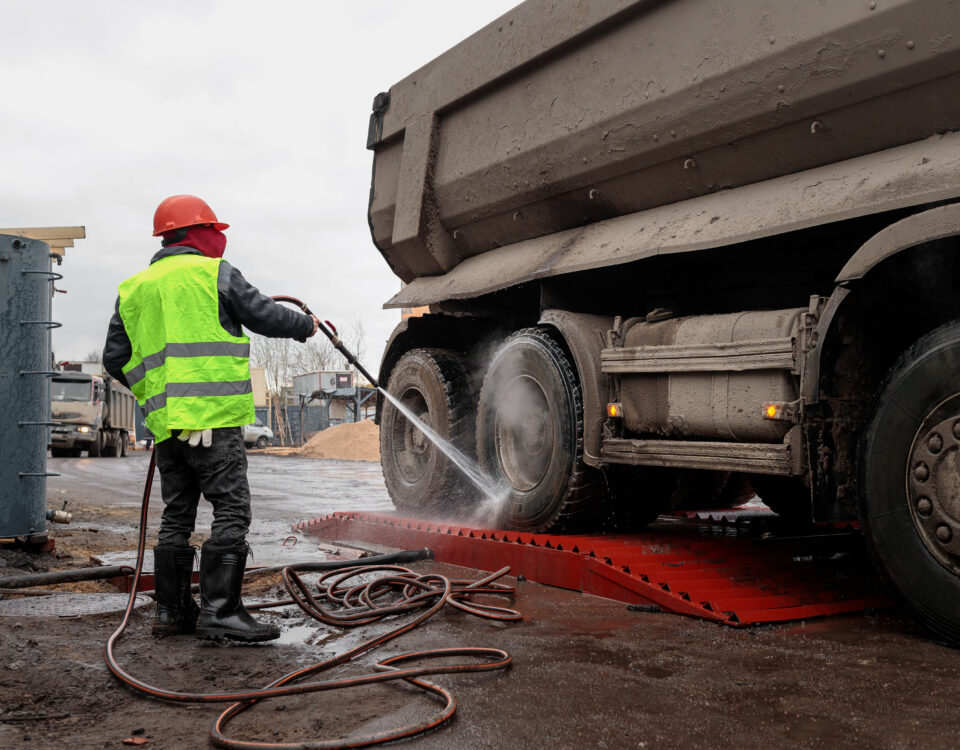
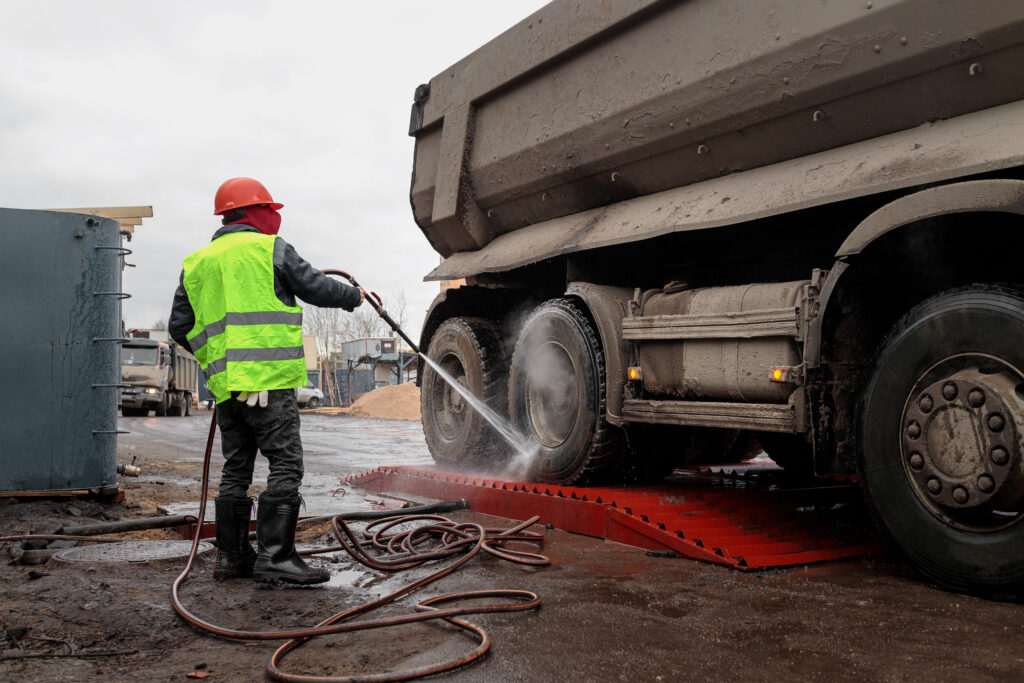
An industrial wheel wash system removes mud, dirt, sediment, aggregate, and other debris from vehicle tires and undercarriages before trucks leave a work site.
The goal is simple: stop contaminants from reaching public roads and surrounding properties.
Modern industrial wheel wash systems help facilities maintain cleaner operations while reducing the burden of ongoing road maintenance and cleanup.
What Happens When Mud Leaves a Job Site?
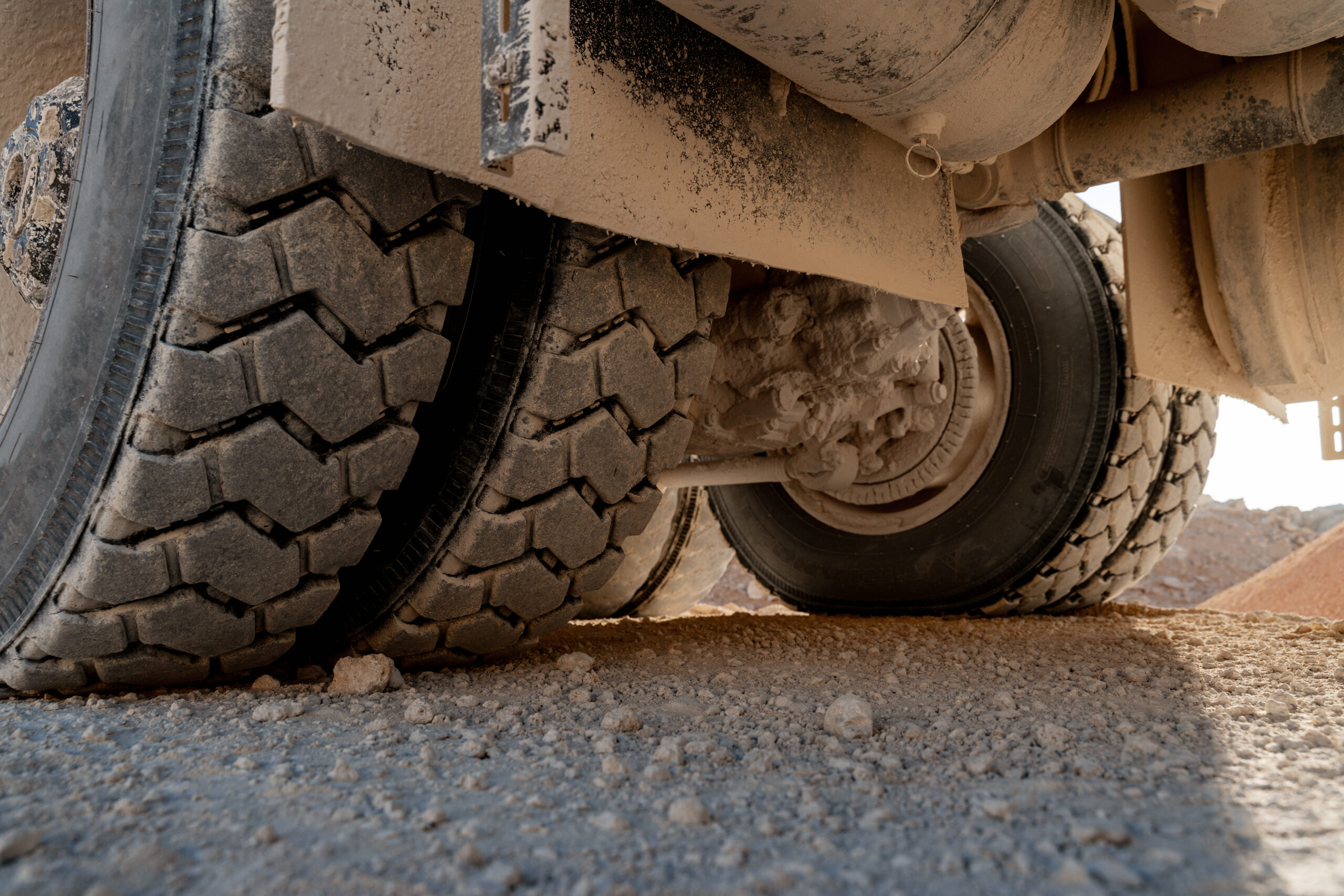
When vehicles exit a site without proper cleaning, mud and debris are deposited onto nearby roads.
Over time, this can lead to:
-
Dirty roadways
-
Increased dust generation
-
Traffic hazards
-
Stormwater contamination
-
Complaints from neighboring businesses and residents
What starts as a small amount of track-out can quickly become a major maintenance issue.
Can Roadway Contamination Lead to Additional Expenses?
Yes.
Many facilities underestimate the true cost of roadway cleanup. Common expenses include:
-
Street sweeping services
-
Pressure washing
-
Labor costs
-
Equipment operation
-
Material disposal fees
These recurring costs can add up significantly over the life of a project.
A wheel wash system helps address the problem before cleanup becomes necessary.
How Can Track-Out Affect a Company's Reputation?
Public perception matters.
When nearby roads are consistently covered in mud, dust, or debris, community members often associate those conditions with the facility responsible for the contamination.
A clean and well-maintained site demonstrates professionalism and environmental responsibility, helping build trust with local stakeholders.
Does Track-Out Impact Environmental Compliance?
In many cases, yes.
Sediment and debris that leave a work site can eventually enter drainage systems and waterways. Regulatory agencies frequently require contractors and industrial operators to implement measures that reduce off-site contamination.
According to the U.S. Environmental Protection Agency's Construction Stormwater Program, controlling sediment movement is a key component of protecting water quality.
Can Wheel Wash Systems Reduce Dust Problems?
Absolutely.
When tracked-out mud dries on roads, it often becomes airborne dust. This dust can affect visibility, create nuisance complaints, and contribute to poor site conditions.
By removing dirt before vehicles leave the site, wheel wash systems help reduce the source of future dust generation.
Are Some Industries More Vulnerable Than Others?
Certain industries face greater track-out challenges due to their operating environments.
These include:
-
Construction
-
Mining
-
Quarry operations
-
Landfills
-
Waste management facilities
-
Aggregate producers
-
Demolition contractors
Sites with heavy truck traffic and exposed soil conditions typically benefit the most from wheel wash technology.
Is Manual Cleaning a Good Alternative?
Manual cleaning methods can help, but they often produce inconsistent results.
Employees may clean some vehicles thoroughly while others receive little attention. Automated wheel wash systems provide a standardized cleaning process that helps ensure every vehicle is treated consistently.
Manual processes can also slow operations and increase labor costs.
How Does Water Recycling Improve Efficiency?
Many modern wheel wash systems incorporate water recycling technology that captures, filters, and reuses wash water.
This approach helps facilities:
-
Reduce water consumption
-
Lower operating costs
-
Improve sustainability
-
Minimize wastewater discharge
For high-traffic sites, water recycling can be an important part of long-term operational efficiency.
Is It More Expensive to Operate Without a Wheel Wash System?
In many situations, yes.
The costs associated with cleanup, maintenance, compliance issues, community complaints, and operational inefficiencies often exceed what many organizations expect.
Industry resources such as Construction Dive regularly highlight the growing importance of proactive site management practices that reduce risk and improve operational performance.
Organizations evaluating equipment should also review key wheel wash system features and strengths to determine the best solution for their site conditions and traffic volume.
What's the Bottom Line?
The real question may not be whether your site needs a wheel wash system—but rather what it costs to operate without one.
Industrial wheel wash systems help prevent problems before they occur by reducing track-out, minimizing cleanup expenses, supporting environmental compliance, and improving relationships with the communities surrounding your project.
For organizations looking to operate more efficiently and responsibly, a wheel wash system is often one of the smartest investments they can make.