
Why Wheel Wash Systems Are a Game-Changer for Construction Site Cleanliness
November 3, 2025
From Track-Out to Clean Roads: Exploring the Benefits of Neptune Wheel Wash Technology
November 17, 2025
Modern construction and industrial job sites face constant pressure to operate efficiently while meeting strict safety and environmental standards. Heavy truck traffic, unstable soil conditions, and tight project timelines make it difficult to keep sites clean and compliant without the right equipment in place. One of the most overlooked yet essential tools for controlling these challenges is an automated wheel wash system. IES/Neptune Automated Wheel Wash Systems stand out in this space because they are not just engineered products—they are solutions built from real-world experience and refined through years of use in demanding environments.
The story behind Neptune Wash begins with necessity. The founders of Innovative Equipment Solutions originally operated an excavation business and struggled with the same track-out, compliance, and cleanup issues many contractors face today. Manual cleaning methods were inconsistent, labor-intensive, and often ineffective. Instead of accepting these limitations, they developed a wheel wash system that could withstand harsh jobsite conditions while delivering consistent results. That practical background is still reflected in Neptune’s designs, which prioritize durability, efficiency, and simplicity over unnecessary complexity. More about this approach can be found directly on the Neptune Wash website at https://www.neptunewash.com/automated-wheel-wash-systems/.
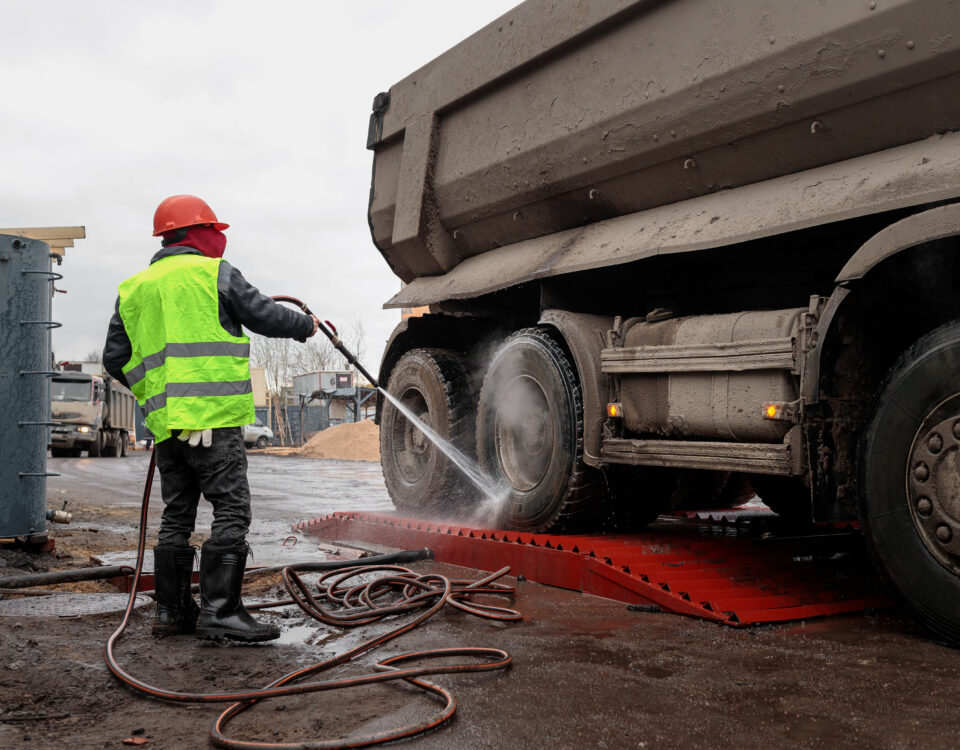
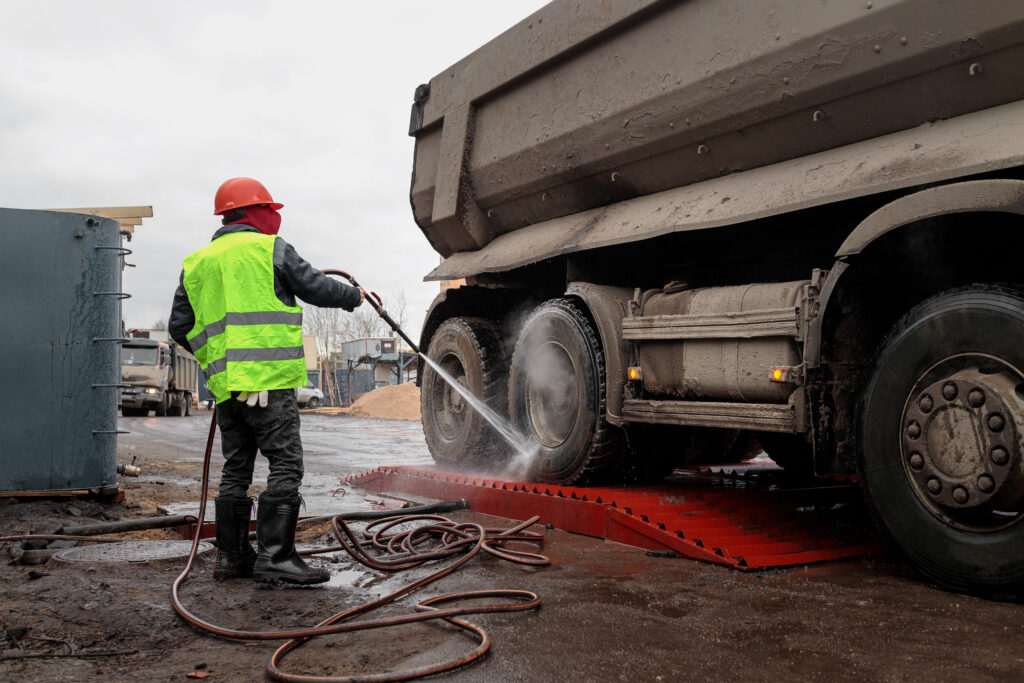
At the core of IES/Neptune’s innovation is a system designed to thoroughly clean vehicle tires and undercarriages before they leave the site. Dirt, mud, and debris tracked onto public roads can create dangerous driving conditions, clog storm drains, and lead to costly fines or project shutdowns. Neptune’s automated platforms use strategically placed spray nozzles built directly into the wash structure to deliver high volumes of water at controlled pressure. This approach ensures complete coverage without damaging equipment or wasting water, which is a common issue with improvised wash solutions.
Jobsite safety is one of the most immediate benefits of a properly installed wheel wash system. When debris leaves a site, it often ends up on nearby roads, creating slick surfaces that increase the risk of accidents for the public and site vehicles alike. By removing material before trucks exit, Neptune systems help reduce liability and demonstrate a clear commitment to safety. Clean exit points also mean less dust and sediment circulating back onto the site, improving traction and reducing slip hazards for workers. Neptune discusses these safety benefits in more detail in its educational blog content, including articles available at https://www.neptunewash.com/blog/.
Compliance is another area where Neptune systems truly shine. Local municipalities, departments of transportation, and environmental agencies often require construction sites to implement track-out control measures. Failure to do so can result in fines, stop-work orders, or damage to a contractor’s reputation. Automated wheel wash systems provide a documented, repeatable process that inspectors recognize and trust. When every vehicle is cleaned automatically, compliance no longer depends on human consistency. This is particularly important for sites operating under stormwater permits, where sediment control is a critical requirement. For broader regulatory context, the U.S. Environmental Protection Agency outlines stormwater and sediment control expectations for construction sites at https://www.epa.gov/npdes/construction-general-permit.
One of the most innovative aspects of IES/Neptune systems is their closed-loop water recycling capability. Instead of continuously consuming fresh water, Neptune wheel wash systems capture used wash water, allow solids to settle out, and reuse filtered water for future cycles. This dramatically reduces water consumption and minimizes runoff, which is essential for sites operating in areas with water restrictions or strict environmental oversight. Sustainable water use is no longer just a bonus—it is a necessity for long-term project planning, and Neptune systems are designed with that reality in mind.
Flexibility also plays a major role in Neptune’s success. Every job site is different, and IES/Neptune offers configurations that can be customized for temporary or permanent installations. Whether a project requires a portable solution for early earthwork phases or a heavy-duty, permanent system for long-term industrial use, Neptune provides options that can adapt as site conditions change. This adaptability helps contractors maintain compliance from groundbreaking through project completion without constantly changing equipment.
Ultimately, the innovation behind IES/Neptune Automated Wheel Wash Systems is not about flashy technology—it is about practical engineering that solves real problems. By combining durability, efficiency, and environmental responsibility, these systems help contractors protect their workers, the public, and the surrounding environment while staying compliant with regulations. For companies looking to operate cleaner, safer, and more professionally, investing in a Neptune wheel wash system is a clear step toward smarter jobsite management.