
Preventing Contamination: The Role of Wheel Wash Technology
August 18, 2025
5 Proven Benefits of an IES Automated Wheel Wash System
September 8, 2025
Automated wheel wash systems 2025 represent the future of compliance and cleanliness for construction sites across the country. With stricter regulations and higher expectations for environmental protection, contractors are turning to innovative solutions to ensure their projects meet state and federal standards. At the forefront of this change are companies like IES and Neptune Wash, whose advanced automated wheel wash systems help keep construction sites efficient, safe, and compliant in 2025.
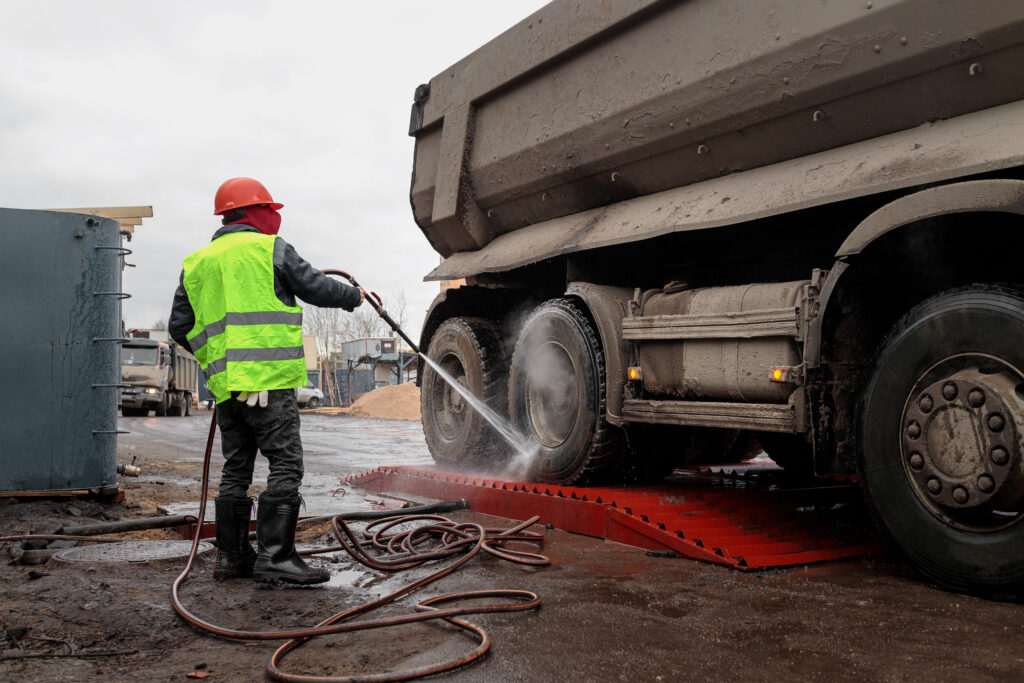
Construction projects today face increasing scrutiny over dust, debris, and stormwater runoff. Regulators and environmental agencies want to ensure that heavy trucks leaving a site do not carry mud, sediment, or contaminants onto public roads. In many regions, failing to comply with these requirements can lead to fines, project delays, or even shutdowns. Automated wheel wash systems provide a simple yet powerful solution by thoroughly cleaning the wheels and undercarriage of trucks before they leave the site. By doing so, these systems prevent pollutants from leaving the property and ensure construction companies remain in compliance.
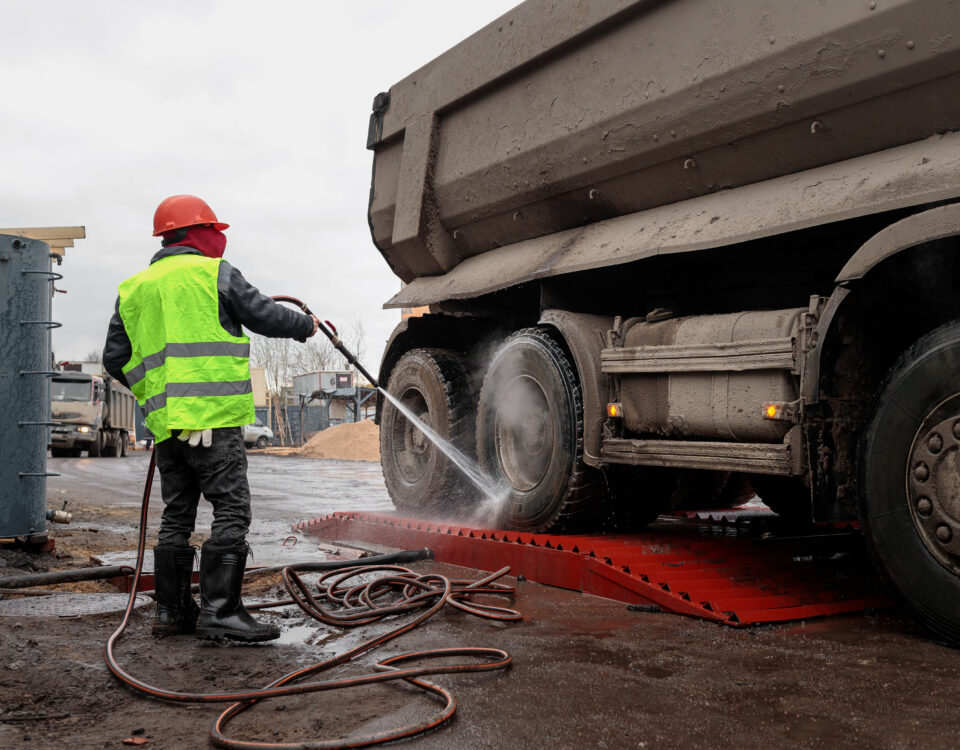
The 2025 models of automated wheel wash systems are more efficient and user-friendly than ever before. Unlike traditional manual cleaning methods, which can be time-consuming and inconsistent, automated wheel wash systems provide thorough cleaning in seconds. Trucks drive over specially designed spray platforms that use high-pressure water jets to remove dirt and debris from tires and chassis. Some systems even recycle and filter the water, reducing waste and making them environmentally friendly. For contractors who want to stay ahead of environmental requirements while keeping costs down, these systems are becoming a standard piece of site equipment.
Another important benefit of automated wheel wash systems is safety. Trucks leaving a job site with mud or gravel on their tires can create hazardous driving conditions on nearby roads. Loose debris can damage vehicles, create slick surfaces, or increase the risk of accidents. By cleaning trucks before they leave the site, wheel wash systems protect not only the construction company but also the surrounding community. This focus on safety aligns with the broader responsibility of modern construction to respect and protect the environment as well as the public.
In addition to compliance and safety, automated wheel wash systems improve the overall efficiency of a project. Because the cleaning process is fast, there are no long lines of trucks waiting to be manually washed down. Drivers can move in and out quickly, keeping projects on schedule. Automated systems also reduce the labor costs associated with manual washing, freeing up workers to focus on other important tasks. For construction managers, the ability to improve compliance, safety, and efficiency with one solution makes automated wheel wash systems a smart investment.
IES and Neptune Wash have positioned themselves as leaders in this technology. Their systems are designed with construction challenges in mind, offering durability, advanced water recycling options, and the flexibility to handle a wide range of site conditions. For contractors, working with a proven solution like Neptune Wash means confidence that their investment will perform reliably for years to come. With projects becoming larger and more complex in 2025, the need for dependable equipment is greater than ever.
The construction industry has always evolved alongside new technologies, and automated wheel wash systems are the next logical step in that evolution. By embracing these solutions, contractors can ensure they are meeting environmental standards, protecting their communities, and keeping their projects moving forward. As compliance regulations continue to tighten, automated systems are no longer a luxury—they are a necessity.
For more information about innovative wheel wash solutions and how Neptune Wash technology can keep your site compliant in 2025, visit Neptune Wash. To learn more about national construction compliance standards and environmental expectations, visit the U.S. Environmental Protection Agency.