
Why Water Recycling is the Future of Construction Sites
August 11, 2025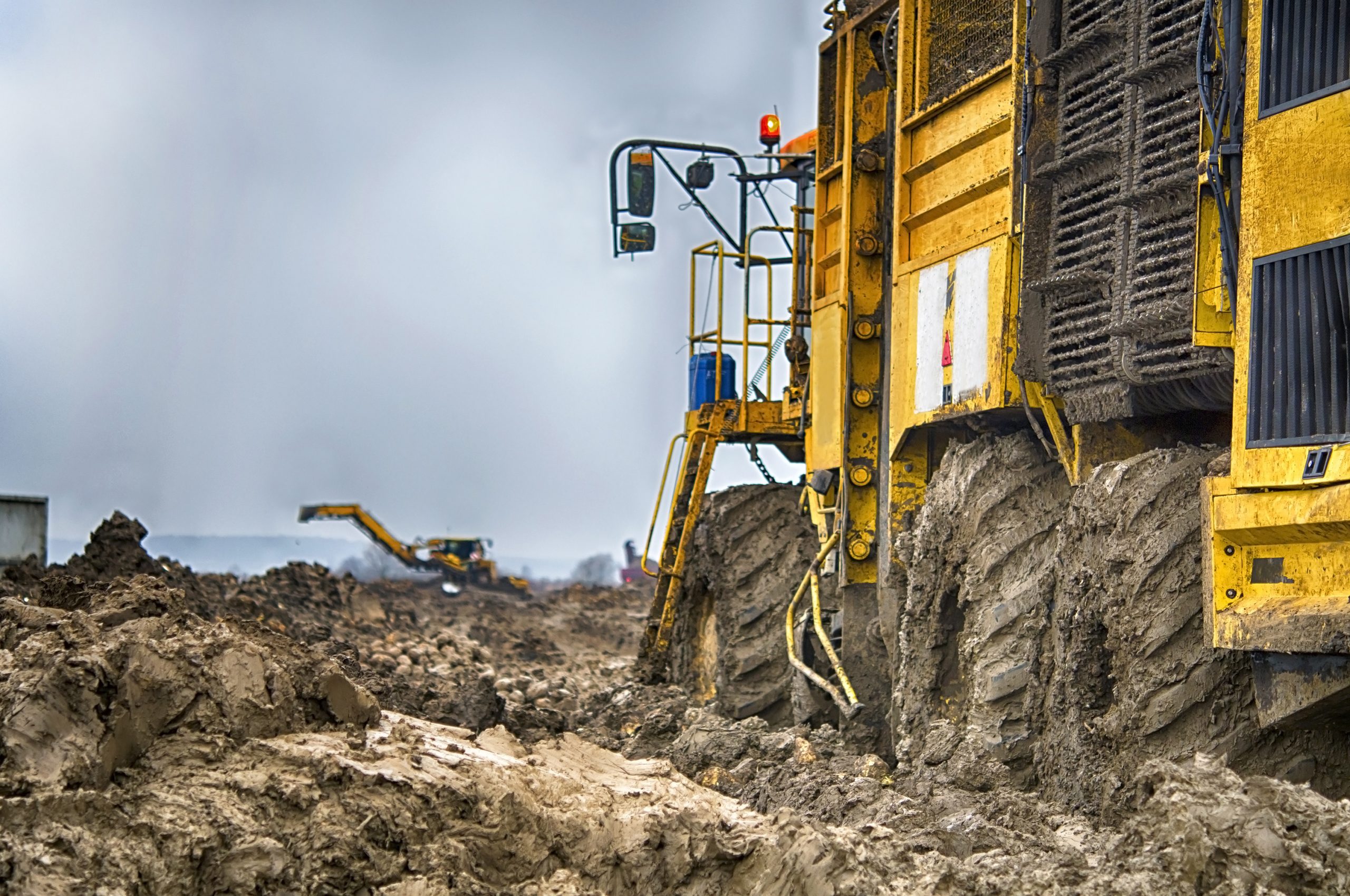
Construction Site Compliance Made Simple With Automated Wheel Wash Systems 2025
September 1, 2025
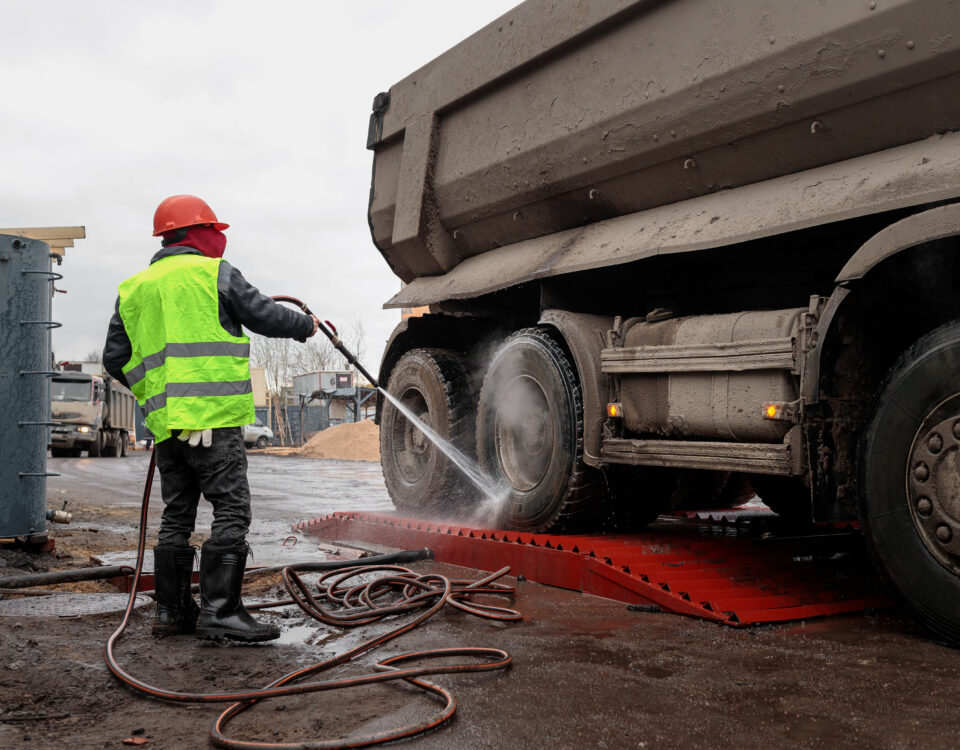
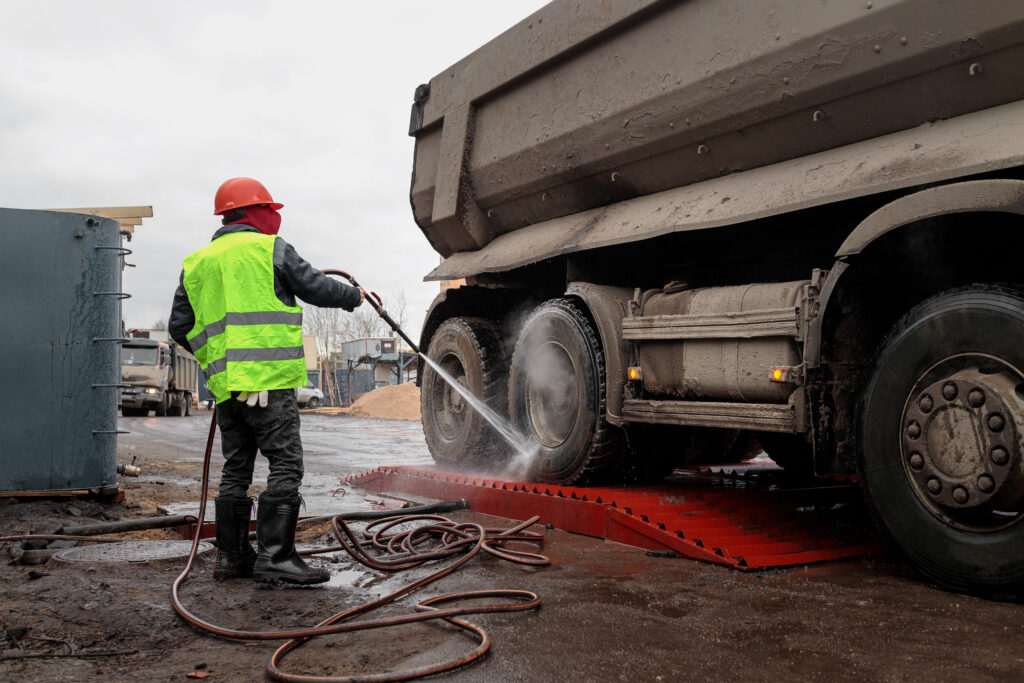
Construction and industrial sites are high-traffic areas for heavy trucks and equipment, which can carry mud, chemicals, and other debris on their tires. Without proper cleaning, these materials often end up on public roads or in storm drains, leading to environmental hazards and safety concerns. This is why wheel wash technology has become an essential tool for modern construction operations. By using advanced systems to clean vehicle tires before they leave the job site, companies can prevent contamination, improve safety, and stay in compliance with local regulations.
The primary goal of wheel wash technology is to prevent pollutants and debris from leaving the construction site. Mud, oil, and sediment carried by tires can cause serious environmental issues if they enter stormwater systems or nearby waterways. Contaminated runoff not only violates environmental regulations but can also harm local ecosystems and put a company at risk for fines and legal action. By installing a wheel wash system, site managers create a first line of defense against these risks.
In addition to protecting the environment, wheel wash technology helps keep public roads clean and safe. Debris from construction sites can create hazards for other drivers, especially in wet or icy conditions. Mud tracked from job sites can lead to slippery surfaces, while loose stones or other materials can damage vehicles or cause accidents. By ensuring trucks leave the site with clean tires, contractors demonstrate their commitment to both public safety and professional responsibility.
Another significant benefit of wheel wash technology is regulatory compliance. Many municipalities and environmental agencies require construction sites to control sediment and prevent contamination. Failure to comply can result in project delays, fines, and even shutdowns. Investing in wheel wash systems is a proactive step toward meeting these requirements and avoiding costly interruptions. These systems also provide documentation opportunities, as many setups allow site managers to track cleaning activity and water usage for compliance reports.
When paired with water recycling systems, wheel wash technology becomes even more efficient and environmentally friendly. Rather than using fresh water for each wash, these systems can capture, filter, and reuse water multiple times. This reduces overall water consumption and makes the cleaning process more sustainable, while still providing effective debris removal. At Innovative Equipment Solutions, we offer advanced wheel wash technology designed to maximize site safety and efficiency.
Experts also emphasize the importance of tailoring wheel wash setups to the specific site conditions. High-traffic projects may require larger systems with multiple spray zones to handle frequent truck movement, while smaller sites might benefit from more compact setups. Regardless of size, implementing reliable wheel wash technology demonstrates a commitment to environmental stewardship and operational excellence.
According to the Environmental Protection Agency, controlling stormwater runoff and sediment from construction sites is one of the most effective ways to protect local water quality. Wheel wash systems serve as a critical part of that strategy, ensuring that contaminants stay where they belong—on-site and under control.
Ultimately, wheel wash technology is more than just a cleaning solution. It is a vital tool for protecting the environment, ensuring public safety, and maintaining compliance with evolving regulations. Contractors who invest in this technology are not only safeguarding their job sites but also building a reputation for professionalism and responsibility in the construction industry.