Why Do Soil Stockpile and Clean-Fill Sites Need Industrial Wheel Wash Systems?
October 14, 2026
How Can Industrial Wheel Wash Systems Support Dredging and Sediment Dewatering Sites?
October 28, 2026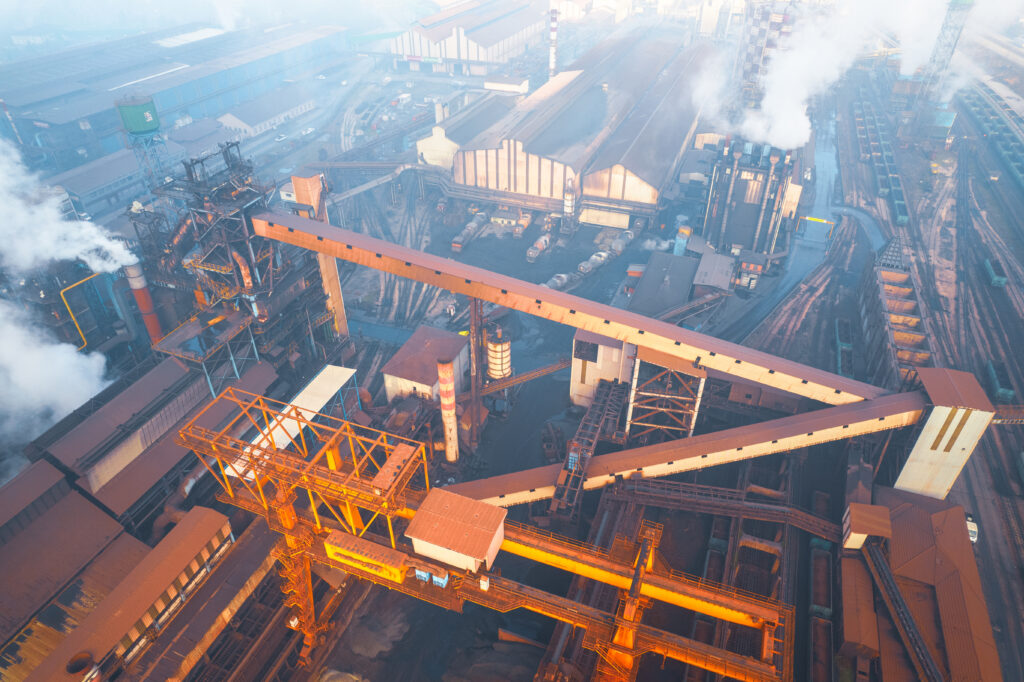
Why Do Steel Mills and Metal-Processing Plants Need Industrial Wheel Wash Systems?
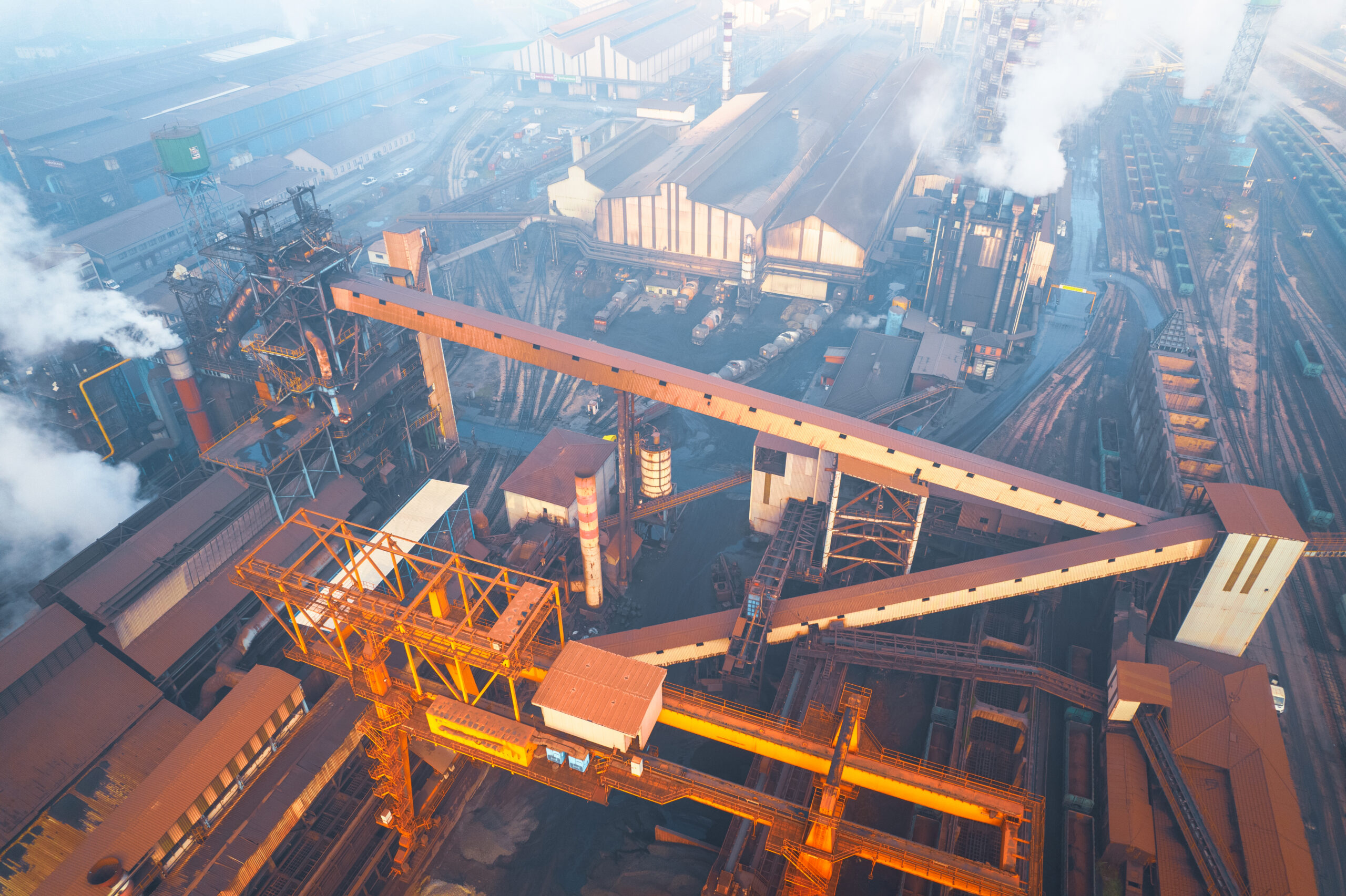
Steel mills run heavy trucks through demanding yards. Vehicles may cross unpaved lanes before reaching the gate. Dust and wet sediment can cling to tires, then reach public roads.
An industrial wheel wash cleans tires at the exit. It helps reduce track-out while keeping traffic on schedule.
A rugged wheel wash helps a metal plant stop yard material at the gate, before it spreads onto nearby roads.
What Causes Track-Out at Metal Facilities?
Mill yards may contain soil, scale, slag fragments, or process residue. Rain can form mud that fills deep tire treads. Dual wheels may also trap buildup.
On paved roads, that material can fall from tires. Wet deposits may create slick spots; dry residue may become dust. Sweeping adds work after it leaves the yard.
A wheel wash addresses the source. Each required truck receives a set cleaning cycle.
How Does an Automated Wheel Wash Work?
Sensors start the wash when a truck enters. Water reaches tire faces and dual-wheel gaps. Tire rotation moves packed tread through the spray.
Neptune automated wheel wash systems offer different platform lengths. A longer platform adds tire turns for heavy buildup. Automation keeps workers away from moving trucks.
Can the System Handle Heavy Industrial Trucks?
Yes, when the platform suits the site’s vehicle size. Its width must fit the largest truck. Approach lanes should provide a straight path.
Traffic volume also matters. The platform, pump system, tank, space, and solids-removal setup must support peak demand. An undersized tank may fill too quickly.
Neptune’s system strengths and features include rugged construction and high-volume water delivery. Adjustable nozzles help direct water where each site needs it most.
How Can Wheel Washing Support Stormwater Control?
Tracked material may wash toward storm drains. Cleaning tires inside the facility reduces the amount that can leave.
The EPA’s stormwater guidance for primary metals facilities discusses housekeeping and controls for exposed industrial material. Requirements depend on the permit.
Wheel wash water should flow into a collection system, not an open drain. Plant managers should follow the site’s approved water-management plan and local discharge rules.
What Happens to the Removed Solids?
Dirty water can enter a settling or separation tank. Solids are removed; recovered water returns to the wash platform.
This closed-loop process cuts fresh-water use and keeps removed material in a set area. Handling steps depend on the solids and local rules.
Routine care is vital. Crews should inspect nozzles and sensors often. Tanks need cleanout before settled material reduces working capacity.
How Can Innovative Equipment Solutions Help?
Innovative Equipment Solutions can review vehicle size, site residue, traffic, space, and water needs. That helps match the platform and tank to the facility.
The right industrial wheel wash can reduce track-out and support a cleaner gate. It gives metal plants a dependable cleaning step without slowing daily truck flow.
FAQ
Can a wheel wash remove metal scale from truck tires?
It can remove loose scale and sediment caught in tire treads. Large or sharp pieces should be cleared from the wash area through regular housekeeping.
Can a wheel wash operate during multiple shifts?
Yes, when the tank and pump system are sized for the traffic. Inspection and solids removal should fit the plant’s shift schedule.
Where should the system be installed?
The wash should sit on the required truck exit route. A stable pad after the platform helps prevent clean tires from collecting fresh yard material.