
Why Every Construction Site Needs an Industrial Wheel Wash System: Your Top Questions Answered
March 10, 2026
Industrial Wheel Wash Systems: Frequently Asked Questions About Reducing Site Cleanup Costs
March 24, 2026
How Industrial Wheel Wash Systems Improve Environmental Compliance: Your Questions Answered
As environmental regulations become more stringent, industrial facilities and construction sites are looking for smarter ways to reduce their environmental impact. One solution that continues to gain attention is the industrial wheel wash system.
If you're considering a wheel wash system for your operation, here are answers to some of the most frequently asked questions.

What Environmental Problems Do Wheel Wash Systems Solve?
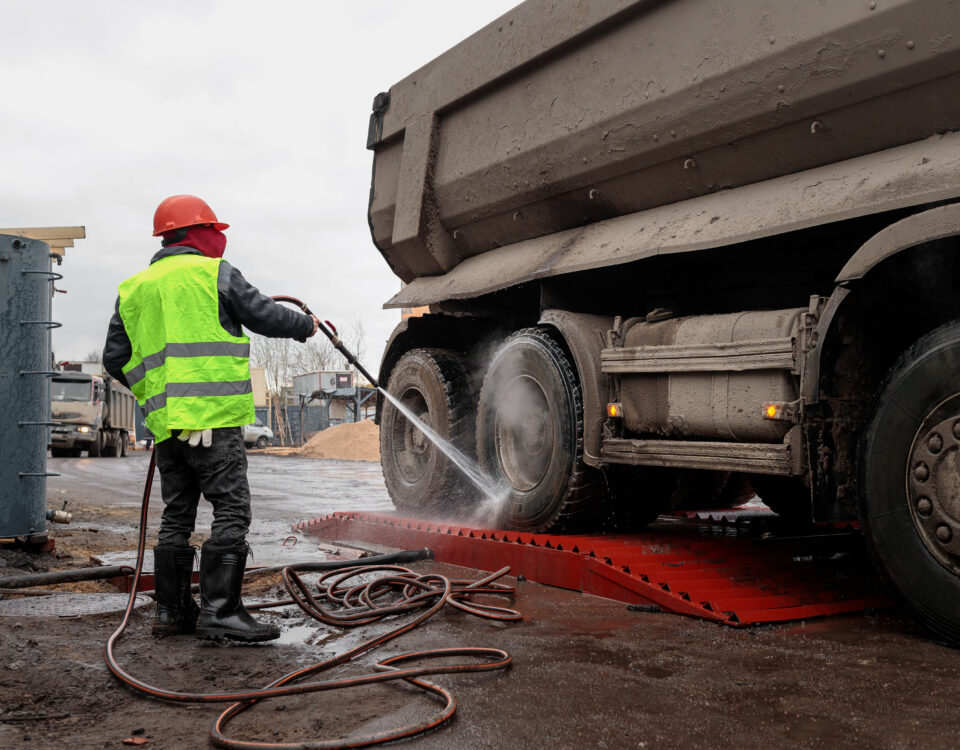
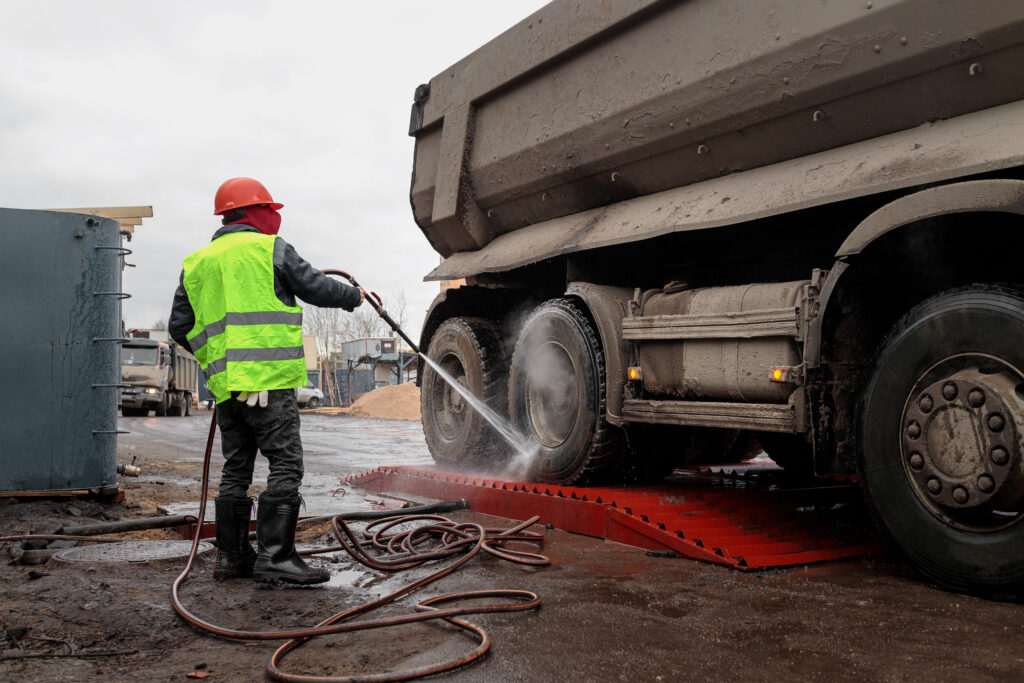
Industrial wheel wash systems are designed to prevent dirt, mud, sediment, and other contaminants from leaving a job site on vehicle tires and undercarriages.
Without proper cleaning, these materials can accumulate on public roads and eventually enter storm drains, waterways, and surrounding ecosystems. By removing debris before vehicles exit a site, industrial wheel wash systems help minimize environmental pollution and improve site cleanliness.
Why Is Track-Out a Concern for Construction and Industrial Sites?
Track-out occurs when trucks carry mud, dirt, or aggregate materials from a work site onto public roadways. This can create several problems, including:
-
Increased dust generation
-
Stormwater contamination
-
Road safety hazards
-
Community complaints
-
Regulatory violations
Many municipalities require contractors to implement measures that reduce track-out and protect public infrastructure.
How Does an Industrial Wheel Wash System Reduce Stormwater Pollution?
Stormwater runoff can carry sediment and pollutants into nearby streams, rivers, and lakes. According to the U.S. EPA Construction Stormwater Program, controlling sediment is one of the most important aspects of protecting water quality.
A wheel wash system helps reduce the amount of sediment that leaves a site, limiting the potential for pollutants to enter stormwater systems.
What Happens to the Water Used in a Wheel Wash System?
Many modern wheel wash systems utilize recycling technology that captures and reuses wash water.
After vehicles are cleaned, water flows into settling tanks where sediment and debris separate from the water. The filtered water can then be reused for future wash cycles, significantly reducing overall water consumption.
Advanced water recycling systems help industrial facilities improve sustainability while lowering operating costs.
Are Wheel Wash Systems Required by Environmental Regulations?
Requirements vary by location and project type, but many construction permits and environmental compliance programs require measures to control sediment and debris leaving a site.
Wheel wash systems are often used as part of a broader erosion and sediment control strategy. They provide a reliable and automated solution that supports regulatory compliance and demonstrates environmental responsibility.
What Types of Facilities Need Wheel Wash Systems?
Wheel wash systems are commonly used by:
-
Construction contractors
-
Mining operations
-
Quarries
-
Landfills
-
Waste transfer stations
-
Industrial manufacturing facilities
-
Demolition contractors
Any site with heavy truck traffic and exposed soil can benefit from implementing a wheel wash solution. Facilities can also review important wheel wash system features and strengths when evaluating equipment options.
How Do Automated Wheel Wash Systems Compare to Manual Cleaning?
Manual cleaning methods often require significant labor and can produce inconsistent results. Automated systems deliver a repeatable cleaning process every time a vehicle exits the site.
Many automated wheel wash systems can clean tires and undercarriages in seconds, helping maintain traffic flow while ensuring vehicles leave the site cleaner.
This consistency is particularly important when environmental compliance is a top priority.
Can Wheel Wash Systems Improve Community Relations?
Absolutely.
Nearby residents and businesses often notice when mud, dust, and debris accumulate on public roads. By reducing track-out, wheel wash systems help create a cleaner and safer environment for everyone who shares the surrounding area.
Organizations such as Environmental Leader frequently highlight the growing importance of sustainable operational practices and community stewardship.