
How Industrial Wheel Wash Systems Improve Environmental Compliance: Your Questions Answered
March 17, 2026
Can Industrial Wheel Wash Systems Improve Job Site Safety? Frequently Asked Questions
March 31, 2026
Industrial Wheel Wash Systems: Frequently Asked Questions About Reducing Site Cleanup Costs
For construction companies, mining operations, landfills, and industrial facilities, site cleanliness isn't just about appearances—it's about controlling costs, maintaining compliance, and improving efficiency. Industrial wheel wash systems have become a valuable tool for organizations looking to reduce roadway contamination and lower ongoing maintenance expenses.
Below are answers to some of the most common questions about how wheel wash systems can help reduce site cleanup costs.

What Is an Industrial Wheel Wash System?
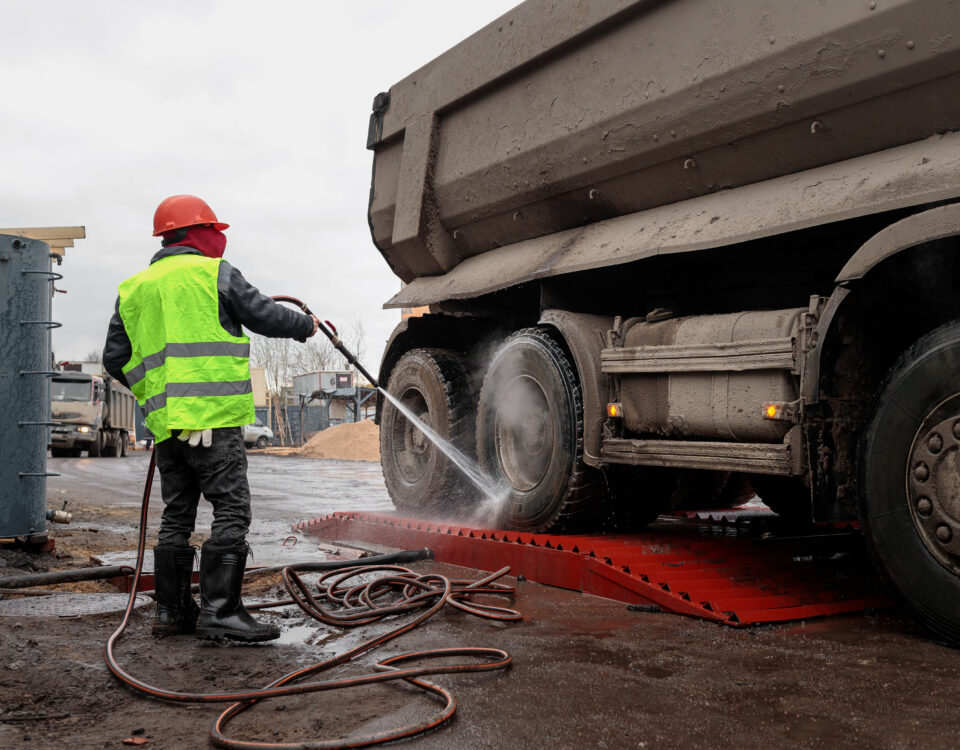
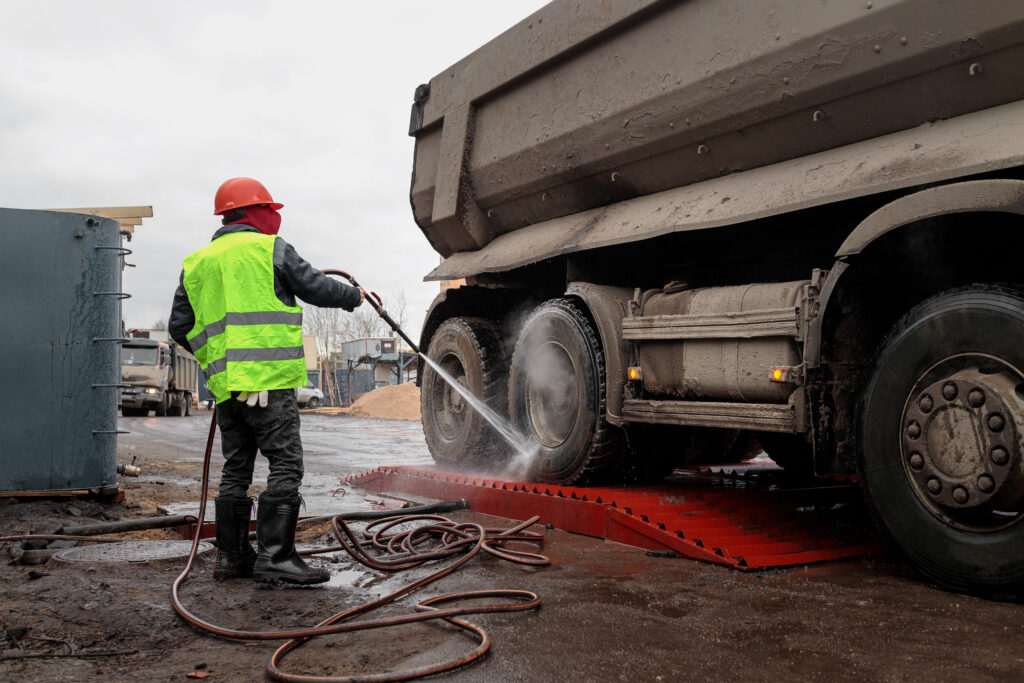
An industrial wheel wash system is a specialized cleaning solution designed to remove mud, dirt, sediment, and debris from vehicle tires and undercarriages before trucks leave a job site.
By preventing contaminants from being tracked onto public roads, wheel wash systems help organizations maintain cleaner operations and reduce the need for costly cleanup activities.
How Do Wheel Wash Systems Reduce Cleanup Costs?
When trucks leave a site carrying mud and debris, those materials often end up on nearby roads and entrances. This can create ongoing cleanup requirements that involve:
-
Street sweeping
-
Pressure washing
-
Labor expenses
-
Equipment operation costs
-
Disposal of collected debris
Installing an automated wheel wash system helps stop contamination at the source, reducing the amount of material that leaves the property.
Can a Wheel Wash System Reduce Labor Requirements?
Yes.
Without a wheel wash system, employees may spend significant time cleaning roadways, entrances, loading areas, and staging zones. Automated wheel wash systems perform this task continuously throughout the workday with minimal operator involvement.
This allows employees to focus on higher-value activities while maintaining cleaner site conditions.
How Does Track-Out Impact Operating Costs?
Track-out occurs when vehicles transport dirt, mud, aggregate, or other materials from a site onto surrounding roadways.
The financial impact can include:
-
Additional labor hours
-
Increased equipment usage
-
Regulatory fines
-
Public complaints
-
Damage to company reputation
According to the U.S. Environmental Protection Agency, controlling sediment and pollutants leaving a work site is an important component of responsible environmental management.
Are Wheel Wash Systems More Cost-Effective Than Street Sweeping Alone?
In many cases, yes.
Street sweeping is often reactive—it removes debris after it has already left the site. Wheel wash systems are proactive because they prevent contaminants from reaching public roads in the first place.
Many organizations use wheel wash systems as part of a broader site management strategy that significantly reduces the frequency and intensity of street cleaning operations.
Do Wheel Wash Systems Help Prevent Regulatory Violations?
They can.
Many municipalities and project owners require contractors to control track-out and minimize roadway contamination. Failure to do so can result in warnings, citations, project delays, or financial penalties.
Implementing a wheel wash system demonstrates a commitment to compliance and helps support erosion and sediment control efforts.
What Features Help Maximize Cost Savings?
When evaluating wheel wash systems, consider features such as:
-
Automated operation
-
Water recycling capabilities
-
Durable construction
-
Fast vehicle throughput
-
Low maintenance requirements
-
Effective tire and undercarriage cleaning
Many facilities achieve additional savings through water recycling systems, which reduce overall water consumption and wastewater management costs. Organizations should also review key wheel wash system features and strengths when comparing equipment options.
Which Industries See the Greatest Return on Investment?
Wheel wash systems often provide substantial value for:
-
Construction projects
-
Mining operations
-
Quarries
-
Landfills
-
Waste management facilities
-
Industrial manufacturing sites
-
Infrastructure developments
Sites with frequent truck traffic and muddy conditions typically experience the greatest financial benefits.
How Do Wheel Wash Systems Support Long-Term Efficiency?
Beyond reducing cleanup costs, wheel wash systems contribute to overall operational efficiency by:
-
Keeping entrances cleaner
-
Reducing roadway maintenance needs
-
Improving site safety
-
Supporting environmental compliance
-
Enhancing community relations
Industry organizations such as the Associated General Contractors of America emphasize the importance of maintaining safe and well-managed job sites to improve project performance and stakeholder satisfaction.
Is a Wheel Wash System Worth the Investment?
For many industrial operations, the answer is yes.
The combination of reduced cleanup expenses, lower labor requirements, improved compliance, and enhanced site efficiency can create significant long-term value. Rather than continuously addressing the consequences of track-out, wheel wash systems help prevent the problem before it starts.
For organizations seeking cleaner roads, lower operating costs, and more efficient site management, an industrial wheel wash system is often one of the smartest investments they can make.