
Industrial Wheel Wash Systems: Frequently Asked Questions About Reducing Site Cleanup Costs
March 24, 2026
How Do You Choose the Right Industrial Wheel Wash System? Frequently Asked Questions
April 7, 2026
Can Industrial Wheel Wash Systems Improve Job Site Safety? Frequently Asked Questions
Safety is one of the top priorities for construction companies, mining operations, landfills, and industrial facilities. While many safety initiatives focus on workers and equipment, roadway cleanliness is another important factor that often goes overlooked.
Industrial wheel wash systems help reduce mud, dirt, and debris leaving a job site, creating safer conditions for employees, drivers, and the surrounding community. Below are answers to some of the most common questions about wheel wash systems and site safety.
What Is an Industrial Wheel Wash System?
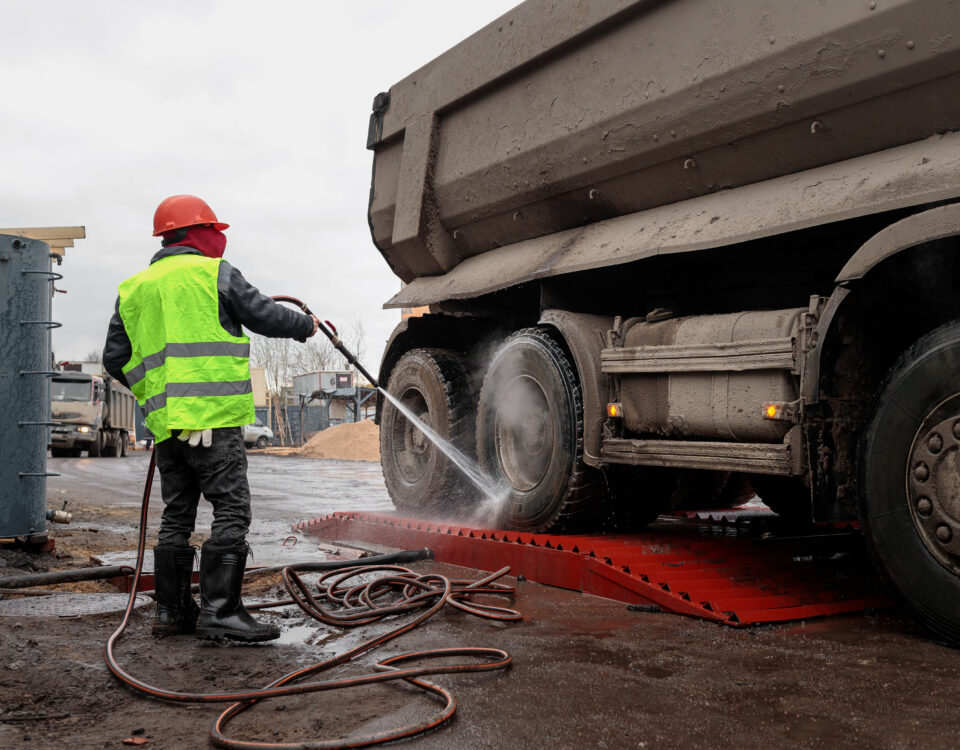
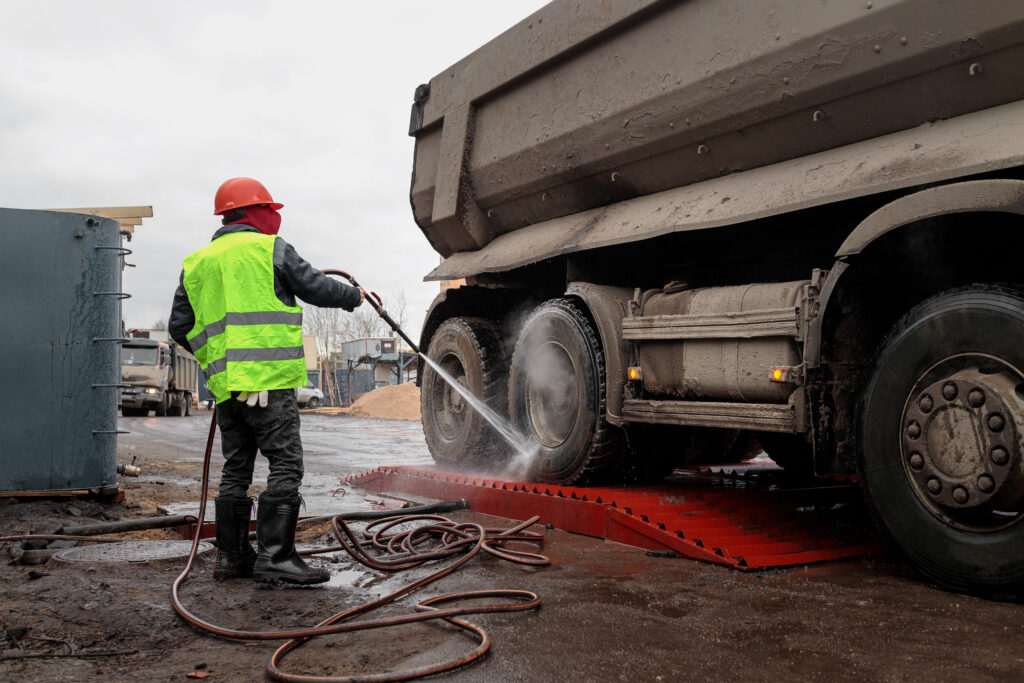
An industrial wheel wash system is a vehicle cleaning solution designed to remove dirt, mud, sediment, and debris from truck tires and undercarriages before vehicles exit a site.
These systems are commonly installed at construction projects, quarries, mines, waste facilities, and industrial operations where heavy truck traffic can create track-out issues.
Modern automated wheel wash systems clean vehicles quickly and efficiently while minimizing delays for drivers.
How Does Roadway Debris Create Safety Hazards?
When mud and debris accumulate on public roads, several risks can develop:
-
Reduced tire traction
-
Slippery driving conditions
-
Increased stopping distances
-
Dust generation that limits visibility
-
Potential vehicle damage
These conditions can create hazards for both commercial vehicles and everyday motorists traveling near a project site.
What Is Track-Out and Why Is It a Concern?
Track-out occurs when trucks carry soil, mud, gravel, or other materials from a work site onto nearby roads.
Excessive track-out can lead to unsafe driving conditions and may increase the likelihood of complaints from local residents, businesses, and regulatory agencies.
By removing debris before vehicles leave the site, wheel wash systems help minimize track-out and its associated risks.
Can Wheel Wash Systems Help Reduce Liability?
Yes.
When roadways become contaminated with mud or debris originating from a project site, property owners and contractors may face increased liability exposure. While every situation is different, maintaining cleaner roads can help demonstrate that reasonable precautions were taken to reduce hazards.
A proactive approach to site cleanliness may also help support compliance with project requirements and local regulations.
How Do Wheel Wash Systems Improve Driver Safety?
Wheel wash systems contribute to safer operations by:
-
Reducing mud accumulation on roads
-
Improving vehicle traction
-
Limiting airborne dust
-
Keeping site entrances cleaner
-
Supporting safer vehicle movement
These benefits help create a safer environment for both truck operators and the general public.
Are Wheel Wash Systems Important for Dust Control?
Absolutely.
Dust generated by tracked-out dirt and dried mud can reduce visibility and create respiratory concerns for workers and nearby communities.
According to the Occupational Safety and Health Administration (OSHA), controlling airborne particulates is an important component of maintaining safe work environments.
Wheel wash systems help reduce the amount of loose material that can become airborne after leaving a site.
Which Industries Benefit Most from Wheel Wash Systems?
Wheel wash systems are commonly used in:
-
Construction
-
Mining
-
Quarry operations
-
Landfills
-
Waste management facilities
-
Industrial manufacturing
-
Infrastructure projects
Any operation with frequent truck traffic and exposed soil conditions can improve site cleanliness and safety through vehicle washing solutions. Organizations evaluating equipment should review key wheel wash system features and strengths to determine the best fit for their site.
Do Automated Wheel Wash Systems Slow Down Traffic?
Not typically.
Modern systems are designed to process vehicles quickly while maintaining effective cleaning performance. Many installations allow trucks to drive through the wash area without stopping, helping maintain productivity while improving cleanliness.
Facilities can also integrate water recycling systems to improve efficiency and reduce water usage.
How Do Wheel Wash Systems Support Regulatory Compliance?
Many local governments and project owners require contractors to implement measures that prevent sediment and debris from leaving a site.
Organizations such as the U.S. Environmental Protection Agency (EPA) emphasize the importance of controlling pollutants and sediment runoff to protect public infrastructure and waterways.
Wheel wash systems are often an important part of a comprehensive compliance strategy.
Are Wheel Wash Systems Worth the Investment for Safety?
For many industrial operations, the answer is yes.
Cleaner roads help reduce safety hazards, minimize track-out, improve compliance efforts, and support positive community relations. When combined with other site management practices, industrial wheel wash systems provide a practical and effective way to create safer conditions both on and off the job site.
As safety expectations continue to rise across the construction and industrial sectors, wheel wash systems remain one of the most effective tools for maintaining cleaner, safer, and more responsible operations. Industry resources such as Construction Dive frequently highlight the value of proactive safety measures and operational best practices that reduce risk and improve project outcomes.