
Can Industrial Wheel Wash Systems Improve Job Site Safety? Frequently Asked Questions
March 31, 2026
What Happens When You Don’t Use an Industrial Wheel Wash System? Common Questions Answered
April 14, 2026
How Do You Choose the Right Industrial Wheel Wash System? Frequently Asked Questions
Selecting the right industrial wheel wash system is an important decision for construction companies, mining operations, quarries, landfills, and industrial facilities. The right system can improve compliance, reduce cleanup costs, enhance safety, and support environmental goals.
If you're evaluating wheel wash solutions, these frequently asked questions can help guide your decision.
What Is an Industrial Wheel Wash System?
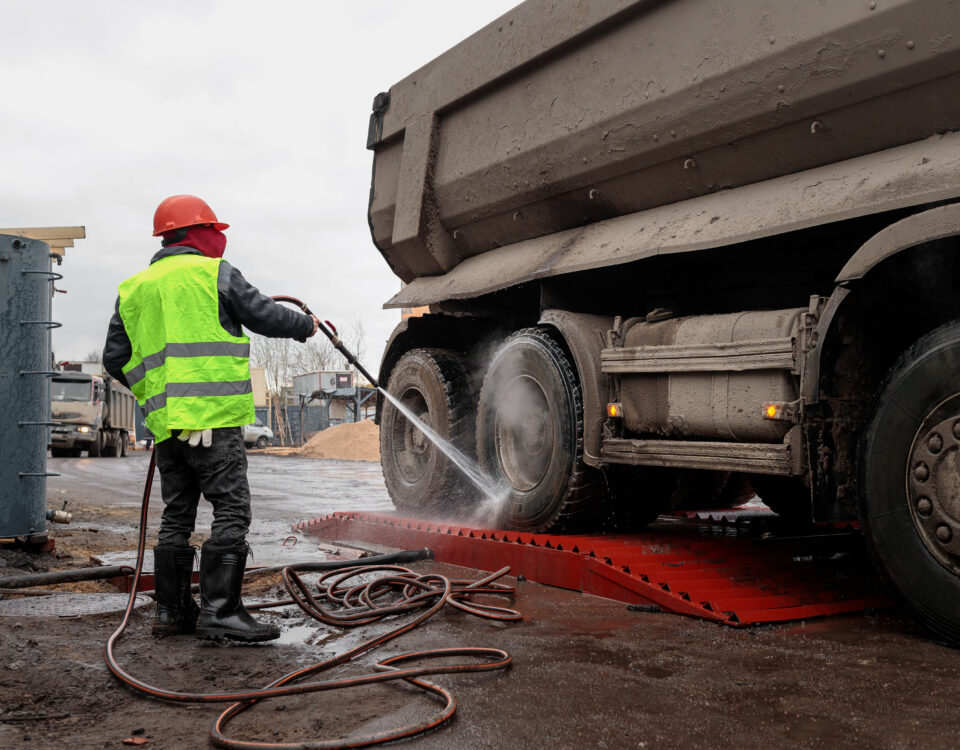
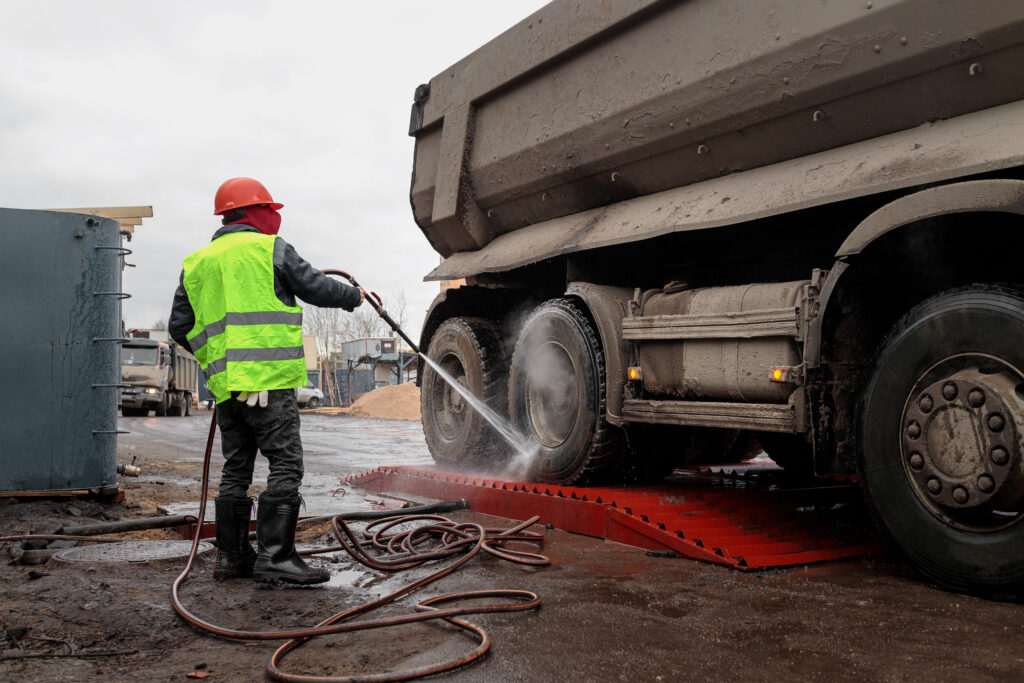
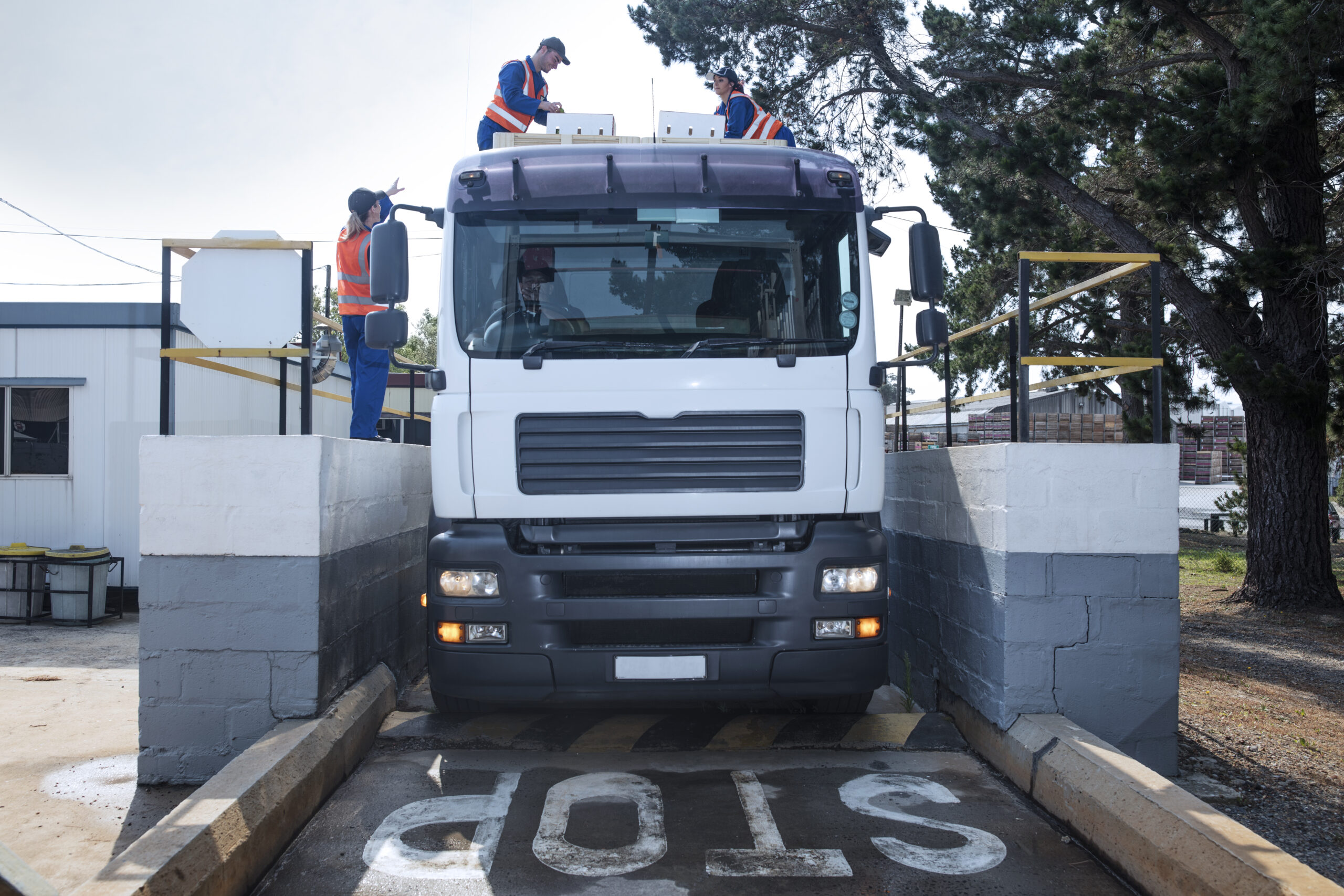
An industrial wheel wash system is designed to remove mud, dirt, sediment, and debris from vehicle tires and undercarriages before trucks leave a work site.
By preventing contaminants from reaching public roads, wheel wash systems help keep operations cleaner and support compliance with local regulations and project requirements.
Why Is Choosing the Right Wheel Wash System Important?
Not all wheel wash systems are designed for the same operating conditions.
Factors such as vehicle volume, soil type, site layout, and environmental requirements can significantly impact system performance. Choosing the wrong solution may result in ineffective cleaning, increased maintenance costs, and operational inefficiencies.
Selecting a properly sized system helps ensure long-term performance and reliability.
What Factors Should Be Considered When Selecting a Wheel Wash System?
Several important considerations include:
-
Number of vehicles per day
-
Vehicle size and weight
-
Type of material being tracked out
-
Available installation space
-
Water availability
-
Environmental regulations
-
Maintenance requirements
Evaluating these factors early in the planning process helps identify the best solution for your site.
Are Automated Wheel Wash Systems Better Than Manual Systems?
For most industrial applications, automated systems offer significant advantages.
Modern automated wheel wash systems provide consistent cleaning performance while reducing labor requirements. Automated operation also helps ensure every vehicle receives the same level of cleaning before leaving the site.
This consistency can be especially valuable when regulatory compliance is a priority.
How Important Is Water Recycling?
Water management is becoming increasingly important for many facilities.
Wheel wash systems equipped with water recycling technology can significantly reduce freshwater consumption by filtering and reusing wash water.
Benefits of water recycling include:
-
Lower operating costs
-
Reduced water usage
-
Improved sustainability
-
Less wastewater generation
For high-volume operations, water recycling can provide substantial long-term savings.
What Cleaning Features Should You Look For?
An effective wheel wash system should provide:
-
Tire cleaning coverage
-
Undercarriage cleaning
-
High-volume water delivery
-
Durable spray components
-
Reliable performance in harsh conditions
The goal is to remove as much debris as possible during each vehicle pass while maintaining efficient traffic flow. Organizations comparing options should review key wheel wash system features and strengths to better understand the capabilities available in modern systems.
How Does Site Traffic Affect System Selection?
Traffic volume plays a major role in choosing the appropriate system.
Sites with hundreds of vehicle movements per day require equipment capable of handling continuous operation without creating bottlenecks. Lower-volume sites may have different requirements and budget considerations.
Understanding peak traffic periods can help determine the optimal system configuration.
What Industries Commonly Use Industrial Wheel Wash Systems?
Wheel wash systems are frequently used by:
-
Construction contractors
-
Mining operations
-
Quarries
-
Landfills
-
Waste transfer facilities
-
Industrial manufacturers
-
Infrastructure projects
Any site where vehicles regularly encounter dirt, mud, aggregate, or loose materials can benefit from a wheel wash solution.
How Can a Wheel Wash System Help With Compliance?
Many municipalities and regulatory agencies require contractors to prevent sediment and debris from leaving project sites.
According to the U.S. Environmental Protection Agency (EPA), controlling sediment movement is an important component of environmental protection and stormwater management.
Wheel wash systems help organizations support compliance efforts by reducing track-out and minimizing roadway contamination.
What Questions Should You Ask a Wheel Wash Manufacturer?
Before making a purchase, consider asking:
-
What cleaning performance can be expected?
-
How much maintenance is required?
-
Are water recycling options available?
-
What installation requirements exist?
-
What support services are offered?
-
How long is the system expected to last?
A knowledgeable supplier should be able to provide clear answers and recommendations based on your site's specific needs.
What Is the Best Wheel Wash System for Your Facility?
The best wheel wash system is the one that matches your operational requirements, traffic volume, environmental goals, and compliance needs.
By carefully evaluating system capabilities and site conditions, organizations can invest in a solution that delivers reliable performance for years to come. A properly selected industrial wheel wash system not only protects public roads but also improves efficiency, reduces costs, and supports responsible site management. Industry resources such as For Construction Pros regularly discuss best practices for equipment selection, operational efficiency, and long-term project success.