10 Common Myths About Industrial Wheel Wash Systems: Questions and Answers
April 28, 2026
How Industrial Wheel Wash Systems Improve Truck Traffic Management: Frequently Asked Questions
May 12, 2026
What Is the ROI of an Industrial Wheel Wash System? Frequently Asked Questions
When evaluating equipment purchases, one question always rises to the top: "Will this investment pay for itself?" For construction companies, quarries, mining operations, landfills, and industrial facilities, industrial wheel wash systems often deliver value in ways that go far beyond compliance.
If you're considering a wheel wash system for your site, here are answers to some of the most common questions about return on investment (ROI).
What Is an Industrial Wheel Wash System?
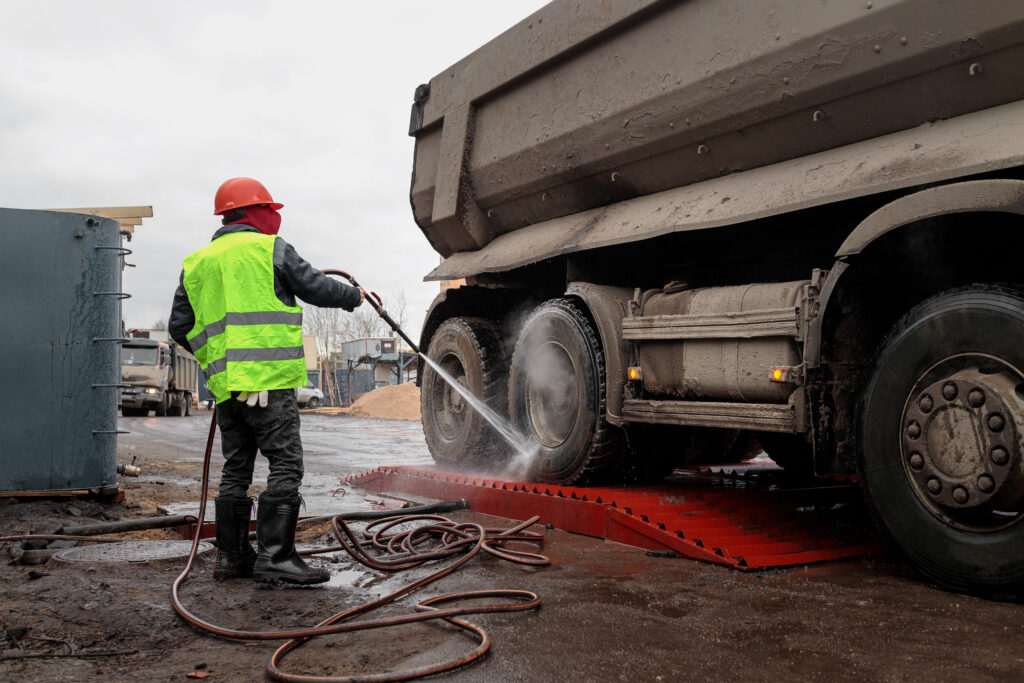
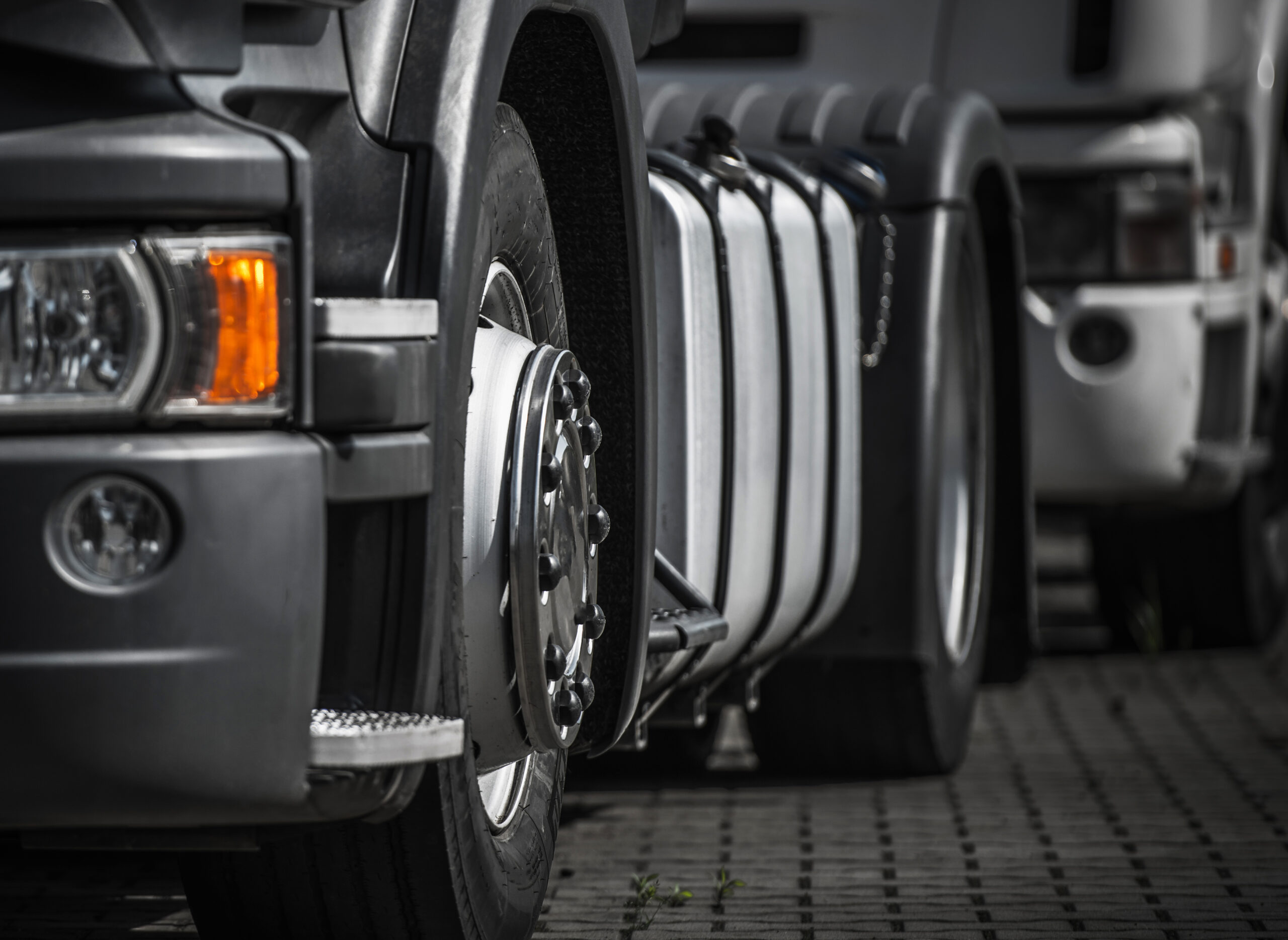
An industrial wheel wash system is designed to remove mud, dirt, sediment, and debris from vehicle tires and undercarriages before trucks leave a work site.
These systems help prevent track-out, which occurs when contaminants are carried onto public roads by vehicle traffic.
Modern automated wheel wash systems provide fast, consistent cleaning while helping organizations maintain cleaner and safer operations.
How Does a Wheel Wash System Generate ROI?
The value of a wheel wash system comes from preventing problems before they occur.
Rather than spending money cleaning roads, responding to complaints, or addressing compliance issues, businesses can reduce these expenses at the source.
Potential savings often come from:
-
Reduced street sweeping
-
Lower labor costs
-
Less equipment wear
-
Fewer compliance concerns
-
Improved productivity
-
Reduced water consumption
Over time, these benefits can create significant financial returns.
Can Wheel Wash Systems Reduce Cleanup Costs?
Yes.
Without a wheel wash system, many facilities rely heavily on street sweepers, pressure washing, and manual labor to remove mud and debris from surrounding roads.
These expenses can accumulate quickly over the course of a project.
By reducing the amount of material leaving the site, wheel wash systems often decrease the need for ongoing cleanup efforts.
How Can a Wheel Wash System Save Labor Costs?
Manual cleanup requires employees to spend valuable time addressing track-out issues rather than focusing on productive operational activities.
Automated wheel wash systems operate continuously throughout the day, reducing the labor needed to maintain site cleanliness.
This allows organizations to allocate resources more efficiently.
Do Water Recycling Systems Improve ROI?
Absolutely.
Many wheel wash installations include water recycling systems that capture and reuse wash water.
Benefits include:
-
Lower water bills
-
Reduced freshwater consumption
-
Less wastewater generation
-
Improved sustainability performance
For high-volume facilities, water recycling can produce substantial long-term savings.
Can Wheel Wash Systems Help Avoid Regulatory Costs?
In many cases, yes.
Roadway contamination and sediment runoff can create compliance challenges that lead to corrective actions, project delays, or financial penalties.
According to the U.S. Environmental Protection Agency (EPA), sediment control is an important component of responsible environmental management.
A wheel wash system can help support compliance efforts by reducing the movement of contaminants off-site.
What Is the Cost of Not Having a Wheel Wash System?
Many organizations focus on the upfront cost of equipment but overlook the ongoing costs associated with track-out.
These may include:
-
Road cleaning services
-
Additional labor
-
Community complaints
-
Project delays
-
Maintenance expenses
-
Increased dust control measures
When these costs are evaluated over the life of a project, they often exceed expectations.
Which Industries Typically See the Fastest ROI?
Wheel wash systems frequently deliver strong returns for:
-
Construction companies
-
Mining operations
-
Quarries
-
Landfills
-
Waste management facilities
-
Aggregate producers
-
Infrastructure projects
Sites with heavy truck traffic and muddy conditions typically see the greatest financial impact.
Can Wheel Wash Systems Improve Operational Efficiency?
Yes.
Cleaner roads and site entrances often result in smoother operations, fewer interruptions, and improved working conditions.
By reducing the need for reactive cleanup activities, teams can spend more time focusing on productivity and project execution. Companies evaluating solutions should review key wheel wash system features and strengths to identify the best long-term fit for their operation.
Are There Benefits Beyond Direct Cost Savings?
There are several.
Wheel wash systems can also help:
-
Improve company reputation
-
Strengthen client relationships
-
Enhance community relations
-
Support sustainability initiatives
-
Demonstrate environmental responsibility
Industry publications such as For Construction Pros regularly discuss the growing importance of operational efficiency and proactive site management in today's competitive marketplace.
Is an Industrial Wheel Wash System a Smart Investment?
For many organizations, the answer is yes.
While every site has unique requirements, wheel wash systems often provide measurable returns through reduced cleanup costs, lower labor requirements, improved compliance, and enhanced operational efficiency.
The most successful projects don't just solve problems after they happen—they prevent them from happening in the first place. That's exactly where a quality industrial wheel wash system delivers its greatest value.