
What Is the ROI of an Industrial Wheel Wash System? Frequently Asked Questions
May 5, 2026
Why Are Industrial Wheel Wash Systems Essential During Mud Season? Frequently Asked Questions
May 19, 2026
How Industrial Wheel Wash Systems Improve Truck Traffic Management: Frequently Asked Questions
Managing truck traffic is one of the biggest challenges facing construction sites, mines, quarries, landfills, and industrial facilities. When dozens—or even hundreds—of vehicles enter and exit a site each day, maintaining safety, efficiency, and cleanliness becomes increasingly difficult.
Industrial wheel wash systems are often viewed as a cleaning solution, but they also play an important role in traffic management and site operations. Here are answers to some of the most common questions.

What Is an Industrial Wheel Wash System?
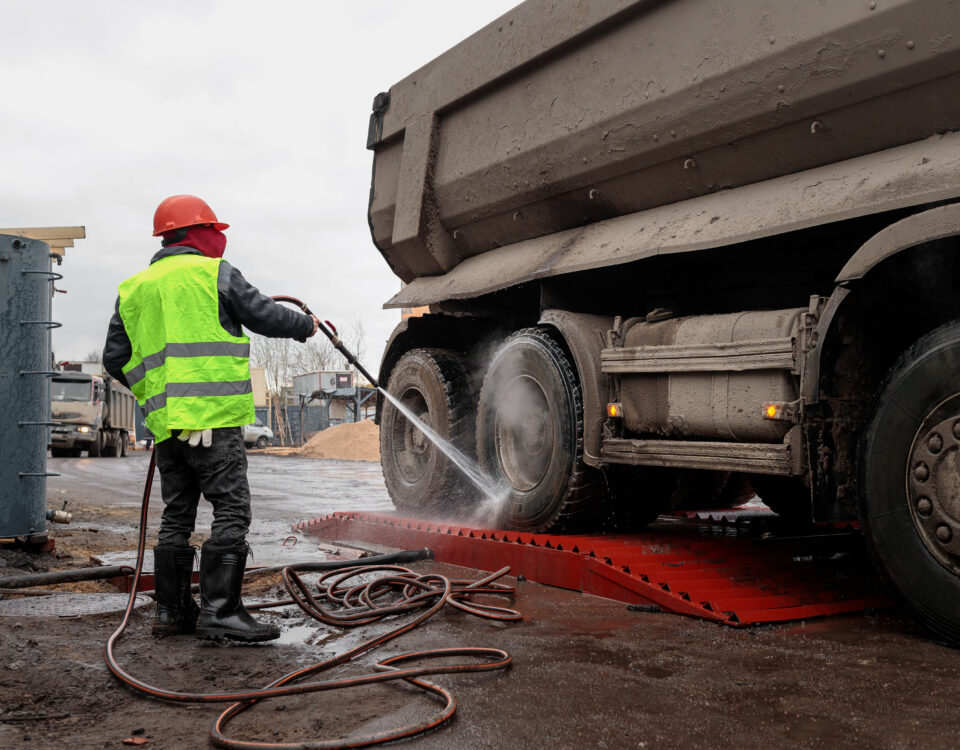
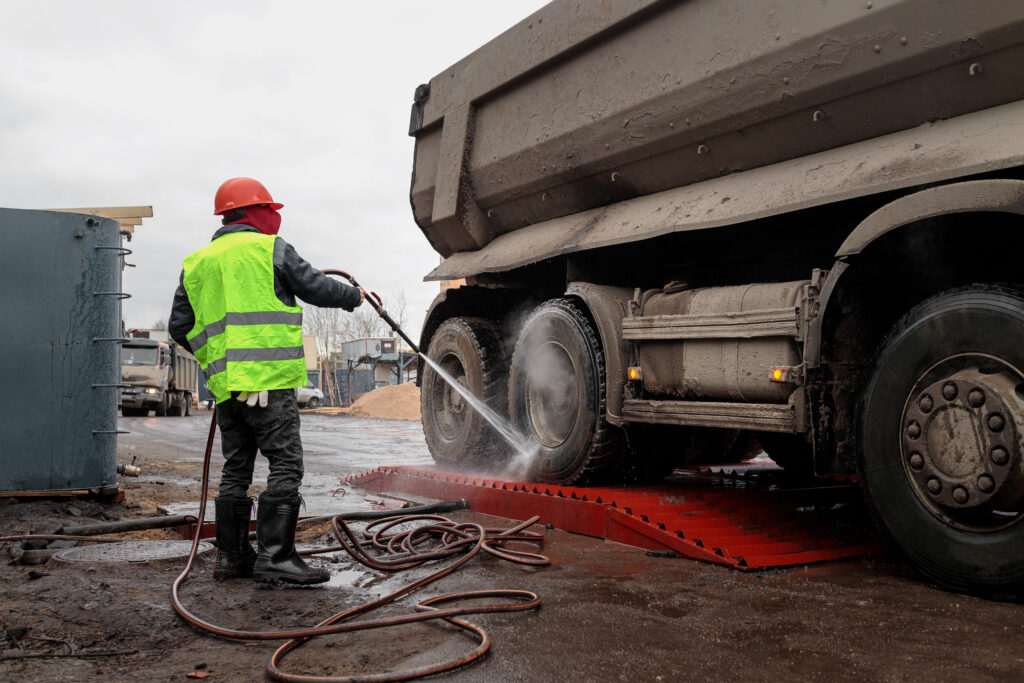
An industrial wheel wash system is designed to remove mud, dirt, sediment, and debris from truck tires and undercarriages before vehicles leave a job site.
These systems help prevent track-out while supporting cleaner roads and more efficient site operations.
Modern automated wheel wash systems are engineered to clean vehicles quickly without creating traffic bottlenecks.
Why Is Truck Traffic Management Important?
Every truck entering and exiting a site affects productivity.
Poor traffic flow can result in:
-
Delayed deliveries
-
Increased wait times
-
Safety concerns
-
Congested entrances
-
Reduced productivity
-
Higher operating costs
The more efficiently vehicles move through a site, the more productive the operation becomes.
How Can a Wheel Wash System Improve Traffic Flow?
A properly designed wheel wash system creates a controlled exit point for vehicles.
Rather than dealing with multiple cleanup stations or manual inspections, trucks pass through a designated wash area before leaving the site.
This standardized process helps improve vehicle movement and reduces confusion at site entrances and exits.
Do Modern Wheel Wash Systems Slow Down Vehicles?
No.
In fact, most modern systems are designed specifically to minimize delays.
Many wheel wash systems allow trucks to drive through at low speeds without stopping, ensuring effective cleaning while maintaining a steady traffic flow.
For busy projects, this efficiency can make a significant difference throughout the workday.
How Do Wheel Wash Systems Help Site Supervisors?
Site supervisors are responsible for maintaining productivity while ensuring compliance and safety.
Wheel wash systems help by:
-
Creating consistent exit procedures
-
Reducing roadway cleanup requirements
-
Limiting vehicle-related complaints
-
Supporting environmental goals
-
Simplifying site management
When vehicle exits are organized and predictable, supervisors can spend less time addressing issues and more time focusing on project execution. Organizations comparing solutions should review key wheel wash system features and strengths before making a purchasing decision.
Can Wheel Wash Systems Reduce Congestion at Site Entrances?
Yes.
Without a dedicated cleaning process, vehicles may require manual inspections or additional cleanup before exiting.
A wheel wash system streamlines this process by creating a single, efficient pathway for departing trucks.
This helps reduce congestion while maintaining site cleanliness.
How Do Wheel Wash Systems Support Safer Traffic Patterns?
Organized traffic flow contributes to overall site safety.
Wheel wash systems encourage vehicles to follow designated routes and exit procedures, helping reduce confusion and unnecessary vehicle movement.
Cleaner roads also improve traction and visibility, creating safer conditions for drivers both on and off the site.
Which Industries Benefit Most from Improved Traffic Management?
Industries with frequent truck movements often see the greatest benefits, including:
-
Construction
-
Mining
-
Quarry operations
-
Landfills
-
Waste management facilities
-
Industrial manufacturing
-
Infrastructure projects
Sites handling large volumes of material transport are especially well-suited for wheel wash systems.
Can Water Recycling Improve Operational Efficiency?
Absolutely.
Many wheel wash systems incorporate water recycling technology that captures and reuses wash water.
This helps facilities reduce water consumption while supporting uninterrupted operations.
The result is a more sustainable and cost-effective cleaning process.
Do Wheel Wash Systems Help With Regulatory Requirements?
Yes.
Many jurisdictions require contractors and industrial operators to prevent mud, sediment, and debris from leaving project sites.
According to the U.S. Environmental Protection Agency (EPA), controlling sediment movement is an important part of responsible site management and environmental protection.
Wheel wash systems provide a reliable solution for supporting these efforts.
What Is the Long-Term Benefit of Better Traffic Management?
Efficient truck movement has a direct impact on productivity, costs, and project performance.
When vehicles move through a site smoothly and consistently, organizations can benefit from:
-
Faster operations
-
Reduced delays
-
Lower cleanup costs
-
Improved safety
-
Better compliance
-
Enhanced site organization
In today's competitive industrial environment, every operational advantage matters.
Are Industrial Wheel Wash Systems More Than a Cleaning Solution?
Absolutely.
While wheel wash systems are highly effective at reducing track-out, they also help improve truck traffic management, streamline site operations, and create a more organized work environment.
For facilities looking to maximize efficiency while maintaining cleaner roads and safer conditions, an industrial wheel wash system is an investment that delivers value far beyond vehicle cleaning. Industry organizations such as the Associated General Contractors of America continue to emphasize efficient project management and operational excellence as key drivers of project success.