
How Can Industrial Wheel Wash Systems Support Disaster Debris Cleanup?
September 26, 2026
How Can Industrial Wheel Wash Systems Help Ports and Marine Terminals?
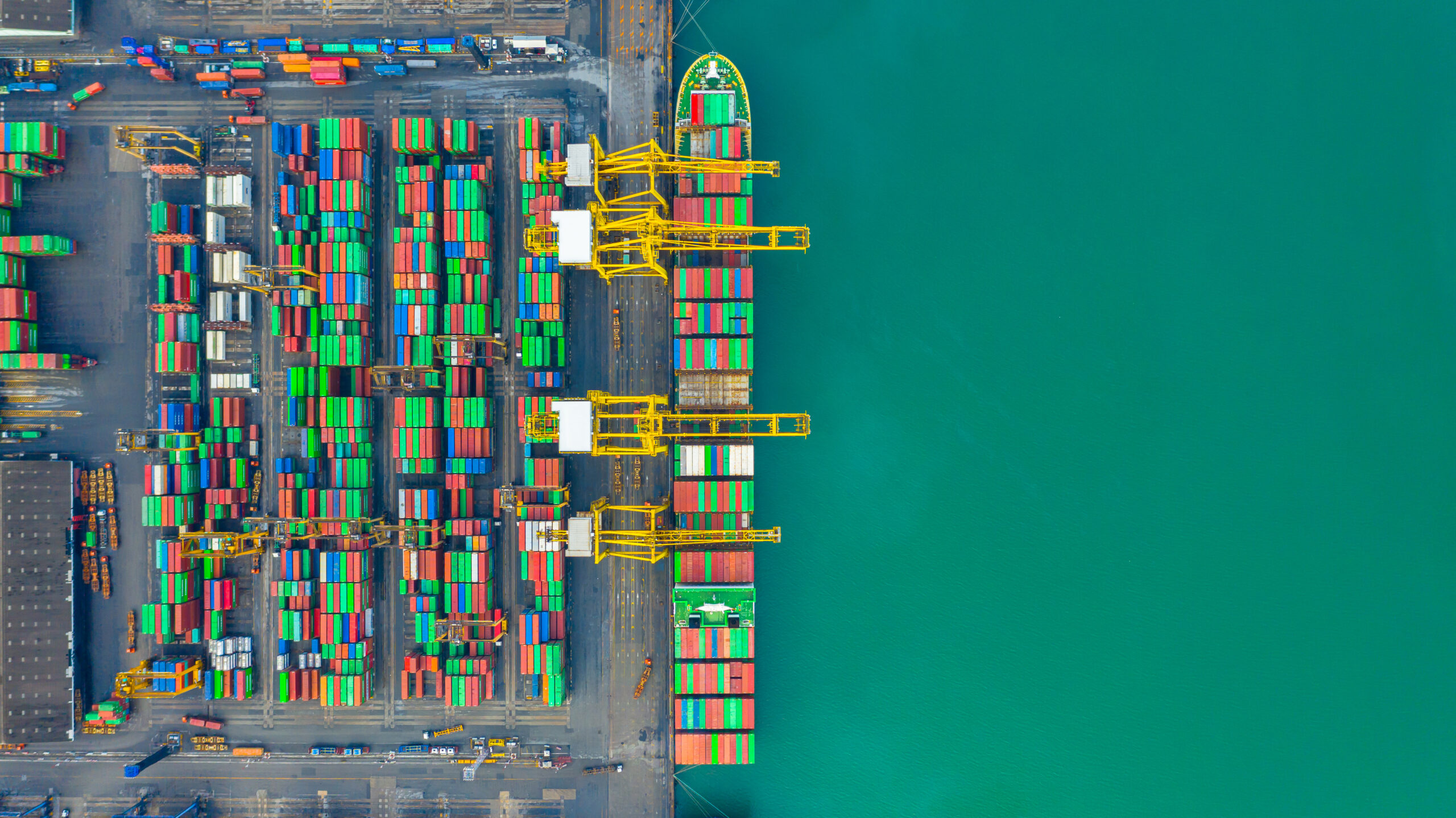
Ports move trucks through busy cargo yards each day. Vehicles may cross gravel or bulk-material areas before reaching public roads. Residue can cling to tires, then leave with the truck.
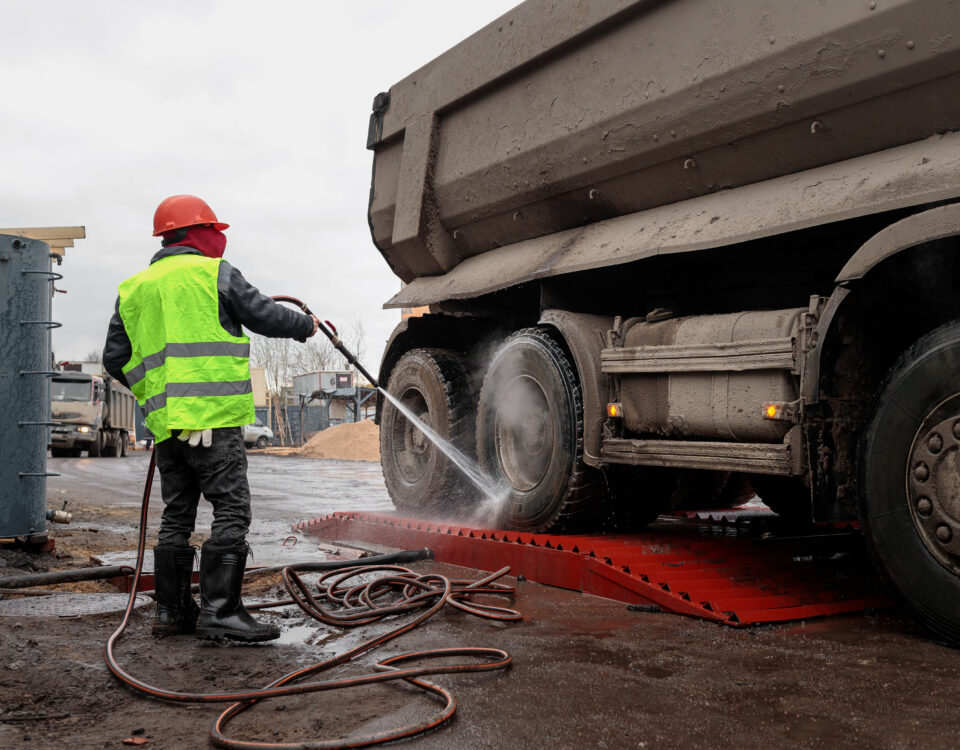
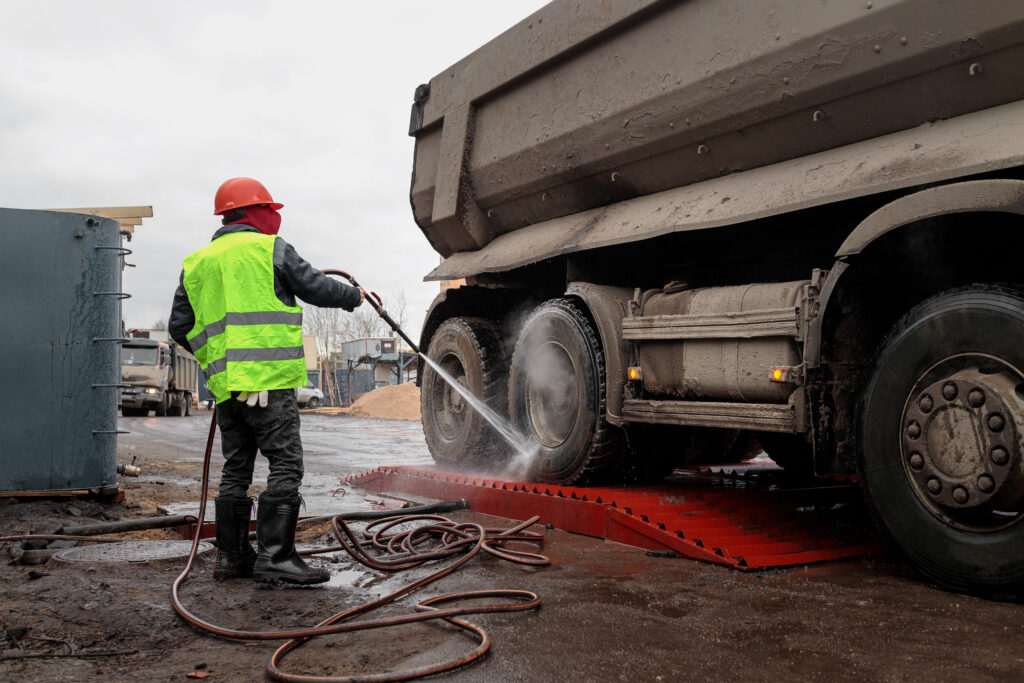
An industrial wheel wash cleans tires at the exit. It helps limit track-out while keeping freight moving.
A clean terminal exit starts before the gate; wheel washing removes tracked material while it is still inside the site.
Why Is Track-Out a Concern at Marine Terminals?
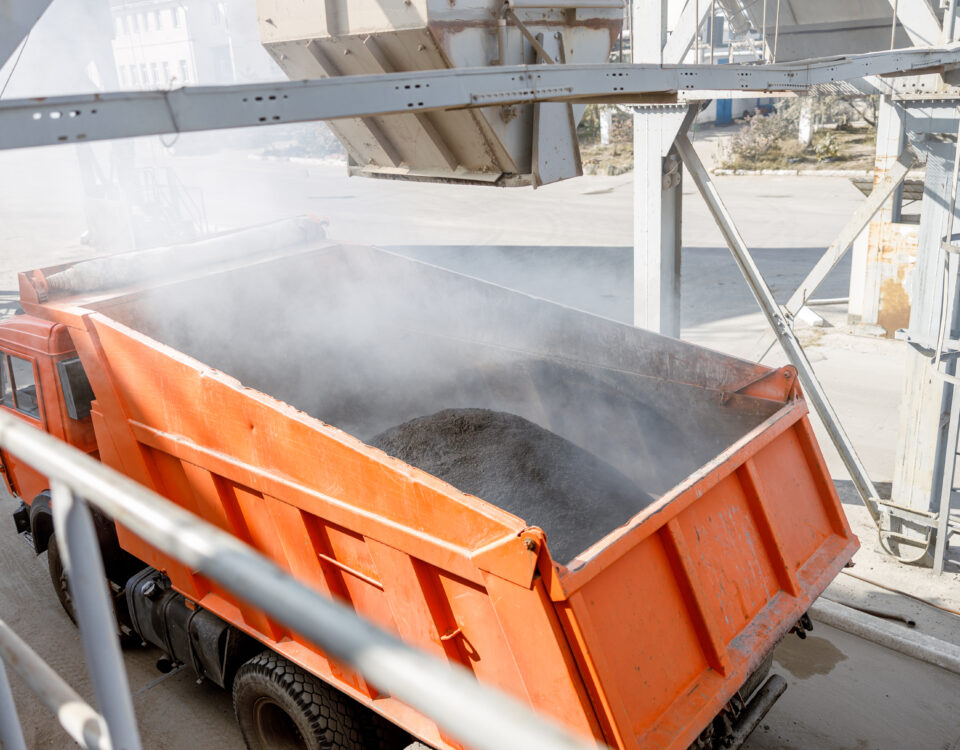
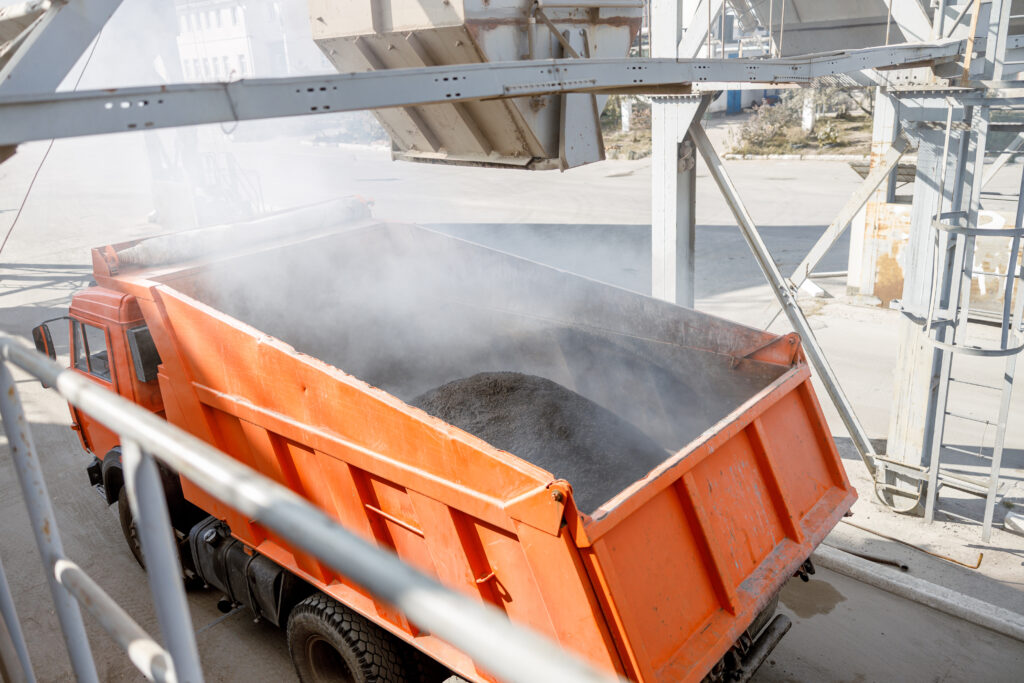
Port yards can hold soil or pieces of bulk cargo. Rain may turn loose material into a paste that fills tire treads. Trucks can then carry it toward nearby streets.
Tracked material may create dust when it dries. It can also wash toward drains. Road cleanup adds labor after the material has spread.
A wheel wash addresses the source. Each required truck receives the same cleaning step.
How Does an Automated Wheel Wash Work?
Sensors start the wash as a truck enters. Water reaches tire faces and dual-wheel gaps. Tire rotation moves packed tread through the spray.
Neptune automated wheel wash systems offer different platform lengths. Light residue may need a short path; packed mud may call for added tire turns. Automation keeps workers away from moving trucks.
Can a Wheel Wash Handle Busy Port Traffic?
Yes, when the system is sized for peak demand. The platform and tank must support the busiest gate period. The approach also needs room for the largest truck.
Drivers should cross at a set speed, then continue over a firm exit pad. A stable path keeps clean tires from picking up fresh material.
Signs help drivers follow the route. OSHA’s marine terminal traffic safety guide covers vehicle movement and pedestrian exposure in terminal work zones.
How Should Wash Water Be Controlled Near the Waterfront?
Used wash water may contain sediment. It should flow into a collection system, not toward a storm drain or nearby water.
The EPA’s vehicle and equipment washing guidance recommends that sites contain wash water and consider suitable treatment or reuse.
A closed-loop wheel wash separates solids, then returns recovered water to the platform. This reduces fresh-water use; it also keeps removed material within a set handling area.
What Features Matter at a Cargo Terminal?
Salt air and daily use can strain equipment. Managers should choose a rugged platform that fits their trucks. Nozzles need easy access; pumps must handle water that carries solids.
Neptune’s wheel wash strengths and features include adjustable nozzles and high-volume water delivery. Relocatable layouts may fit terminals where cargo areas change.
Crews should inspect sensors and drains often. Solids must be removed before tank capacity drops.
How Can Innovative Equipment Solutions Help?
Innovative Equipment Solutions can review truck size, cargo residue, traffic, space, and wash-water needs. This helps match the platform and tank to the work.
The right system can reduce track-out and support a cleaner gate area. It gives port teams a steady wash process that fits the pace of cargo movement.
FAQ
Can a wheel wash clean trucks that haul bulk cargo?
Yes. The system cleans tires and lower vehicle surfaces. Cargo securement remains part of the terminal’s separate handling plan.
Can recycled water be used at a port wheel wash?
Yes, when the system and local requirements allow it. Captured water must stay within the approved collection process.
Where should the wash be placed in the terminal?
It should sit on the required truck exit route, with a stable path between the platform and gate. The layout must avoid conflicts with workers or cargo equipment.