How Can Industrial Wheel Wash Systems Support Brownfield Cleanup Projects?
September 19, 2026
How Can Industrial Wheel Wash Systems Help Ports and Marine Terminals?
October 7, 2026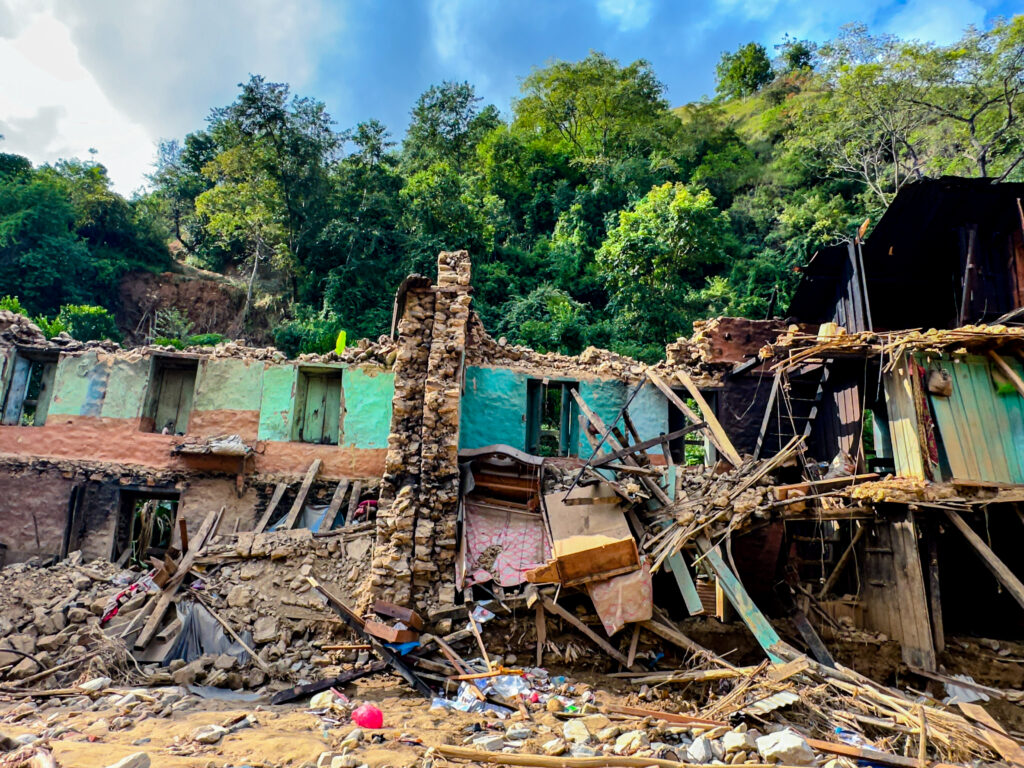
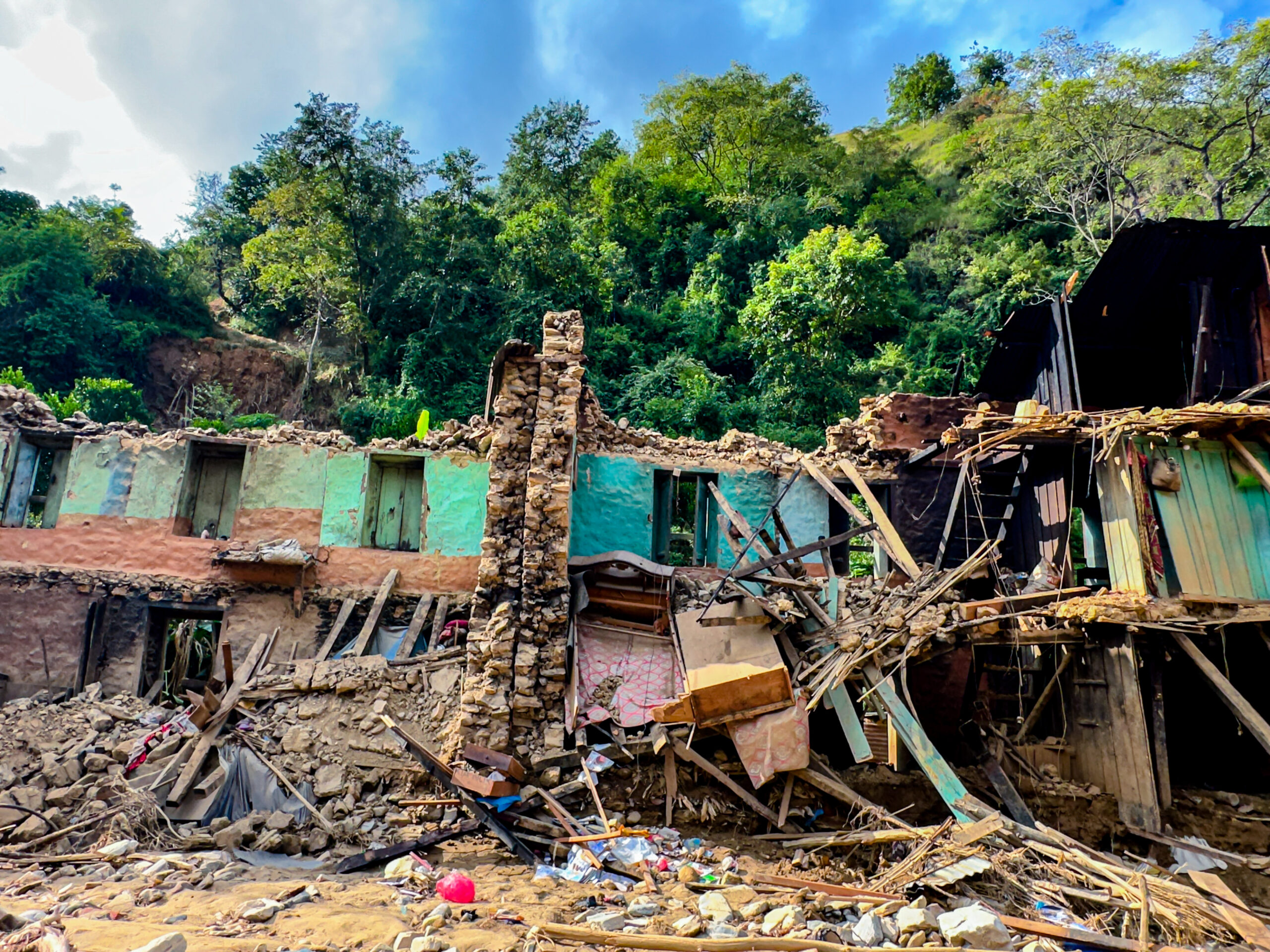
How Can Industrial Wheel Wash Systems Support Disaster Debris Cleanup?
Storm recovery can send heavy truck traffic through damaged areas within hours. Debris haulers may cross mud or broken pavement before entering public roads. Tires can carry residue beyond the work zone.
An industrial wheel wash gives recovery teams a set place to clean tires. It helps keep exit roads clear while debris work moves forward.
Fast cleanup still needs firm controls; a wheel wash helps keep tracked material inside the recovery zone.
Why Is Track-Out Common After a Disaster?
Floods can leave roads coated with silt. Debris sites may lack paved lanes because work often begins before a permanent layout is ready.
Haul trucks collect material as they move through temporary debris sites. That buildup can fall from tire treads. Wet soil may leave slick patches; dry sediment may turn to dust.
The problem grows fast when many trucks use one exit. A planned wash point gives each vehicle the same cleaning step.
How Does an Automated Wheel Wash Help?
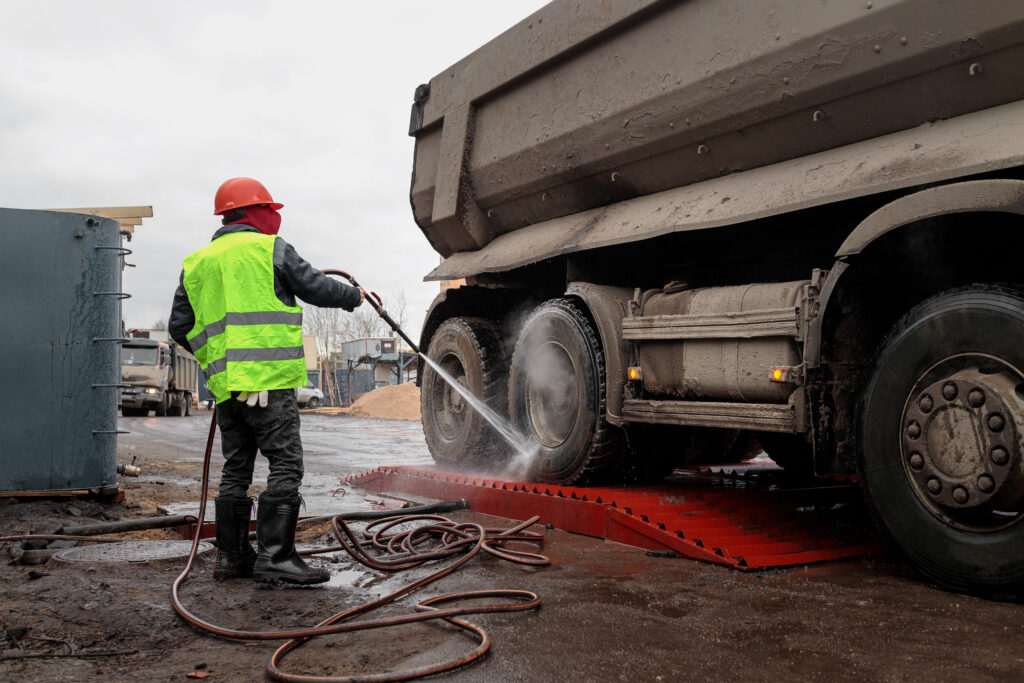
Sensors start the wash when a truck enters. Water reaches tire faces and gaps as the wheels rotate. The driver moves through without waiting for manual hose work.
Neptune automated wheel wash systems can be temporary or relocatable. Platform length adds tire turns when mud is packed deep into the tread.
This steady process can support high truck volume; it also keeps workers farther from moving vehicles.
Where Should the Wheel Wash Be Placed?
The wash should sit on the main exit route. Trucks need room to cross the platform safely, then return to the road without a sharp turn.
Clean tires should pass over a firm surface after the wash. Otherwise, they may collect fresh mud before reaching the pavement. Signs can guide drivers through the route.
FEMA explains that eligible debris removal work may address threats to public safety and improved property. Local plans still set haul routes and handling steps.
How Should Wash Water Be Managed?
Wash water may contain sediment from the cleanup area. It should be captured in an approved system, not released into a storm drain.
The EPA’s vehicle washing guidance stresses wash-water control. Local rules may shape how recovered water and settled solids are handled.
A closed-loop system separates solids, then returns water to the wash. This can lower fresh-water use when supply is strained.
What Features Matter During Emergency Work?
Recovery sites need a system that can adjust as traffic routes change. The platform must fit the largest hauler; the tank must handle peak demand.
Neptune’s wheel wash strengths and features include flexible layouts and adjustable nozzles. Crews should check sensors and drains each day. Tanks need cleaning before solids reduce capacity.
How Can Innovative Equipment Solutions Help?
Innovative Equipment Solutions can review the site, truck size, traffic, soil, and water needs. That helps select a platform and tank that fit the cleanup plan.
The right system can reduce track-out and support a cleaner haul route. It gives recovery crews a dependable exit process during a demanding job.
FAQ
Can a wheel wash be rented for short-term disaster cleanup?
Yes. Rental or relocatable options may fit a temporary debris site. Project length and truck volume will help guide the choice.
Can the system clean trucks carrying flood debris?
It cleans the tires and lower vehicle surfaces. The secured load must be handled through the site’s separate debris-control plan.
How often should the recycling tank be cleaned?
The schedule depends on soil load and daily traffic. Crews should inspect the tank often and remove solids before capacity drops.