
How Can Industrial Wheel Wash Systems Help Ports and Marine Terminals?
October 7, 2026
Why Do Steel Mills and Metal-Processing Plants Need Industrial Wheel Wash Systems?
October 21, 2026
Why Do Soil Stockpile and Clean-Fill Sites Need Industrial Wheel Wash Systems?
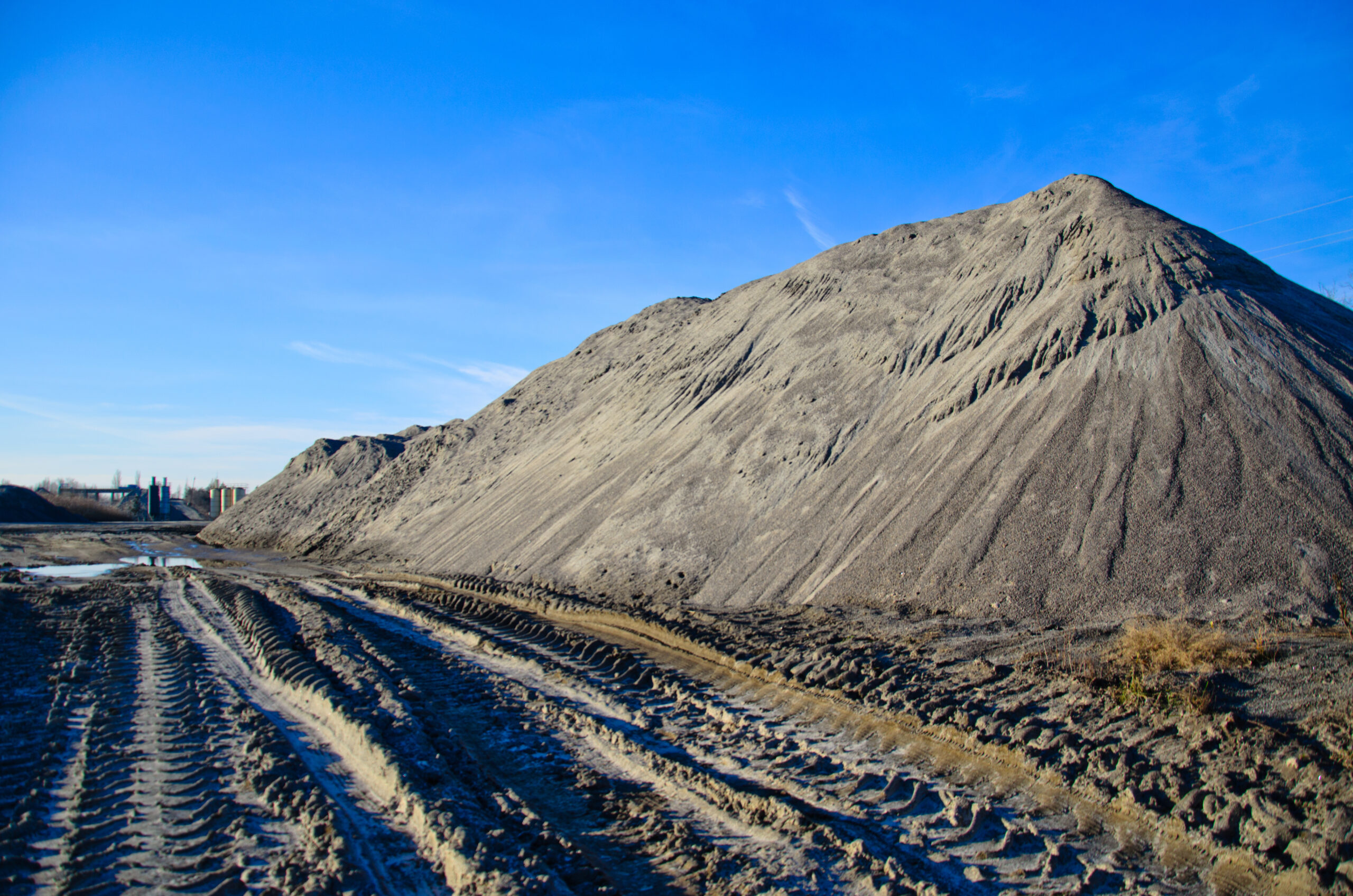
Soil stockpile and clean-fill sites receive steady truck traffic. Each vehicle crosses loose ground. Soil can pack into tire treads, then fall onto public roads.
An industrial wheel wash cleans tires at the exit. It gives operators a repeatable way to control track-out without manual hose work.
Soil conditions change with every storm; a properly sized wheel wash gives the exit a steady line of defense.
Why Does Track-Out Build Up So Quickly?
Dump trucks are built for rough ground. Deep treads provide grip, yet they can hold a large amount of soil. Dual wheels may trap packed material.
Small deposits from each truck can create a long trail. Wet soil may cause slick patches; dry soil can become dust. Crews then face added sweeping.
Washing tires before trucks leave addresses the source of the problem.
How Does an Automated Wheel Wash Work?
Sensors start the wash when a truck enters. Water reaches tire faces and dual-wheel gaps. Each tire turns through the spray.
Neptune automated wheel wash systems offer different platform lengths. A longer platform adds tire turns for packed tread. Automation also keeps workers away from moving trucks.
How Does Soil Type Affect the System Choice?
Loose sand is easier to remove than wet clay. Dry fill may need a short wash cycle. Sticky soil may call for a longer platform.
Neptune’s guide to choosing a wheel wash system matches options with common soil conditions. Operators should plan for the hardest conditions expected.
The platform must fit the widest truck; the approach must allow safe entry.
Where Should the Wheel Wash Be Installed?
The wash should sit on the required exit route with room for drainage. Clean tires should cross a stable pad so they do not collect fresh soil.
The EPA’s construction track-out guidance recommends placing vehicle wash stations at site exits and directing wash water into a sediment trap or suitable treatment area.
Signs can guide each driver. The layout also needs queue space during busy periods.
How Should Water and Sediment Be Managed?
Dirty water flows into a separation system. Recovered water can then return to the wash.
This closed-loop process cuts fresh-water use; it keeps removed soil in a controlled area. The tank must be sized for daily traffic and expected sediment load. Crews should remove accumulated solids before tank capacity drops.
Nozzles and sensors need routine checks. Clear drainage prevents water from pooling.
How Can Innovative Equipment Solutions Help?
Innovative Equipment Solutions can review soil type, truck size, traffic, site layout, and water needs. That review helps match the platform and tank to the operation.
The right wheel wash can reduce road cleanup and support a cleaner site boundary. It helps stockpile and clean-fill operators keep soil where it belongs.
FAQ
Can a wheel wash remove sticky clay from dump-truck tires?
Yes. Sticky clay may require added tire turns and a system designed for packed tread. Site conditions should guide platform length.
Can the wash be installed above ground?
Yes. Aboveground options may work where excavation is limited. Ramps and available space must be included in the layout.
How often should the sediment tank be cleaned?
Cleaning frequency depends on truck volume and soil load. Operators should inspect the tank often and remove solids before performance falls.