
Why Do Quarries and Aggregate Operations Need Industrial Wheel Wash Systems?
July 2, 2026
How Do Industrial Wheel Wash Systems Support High-Traffic Sites?
July 16, 2026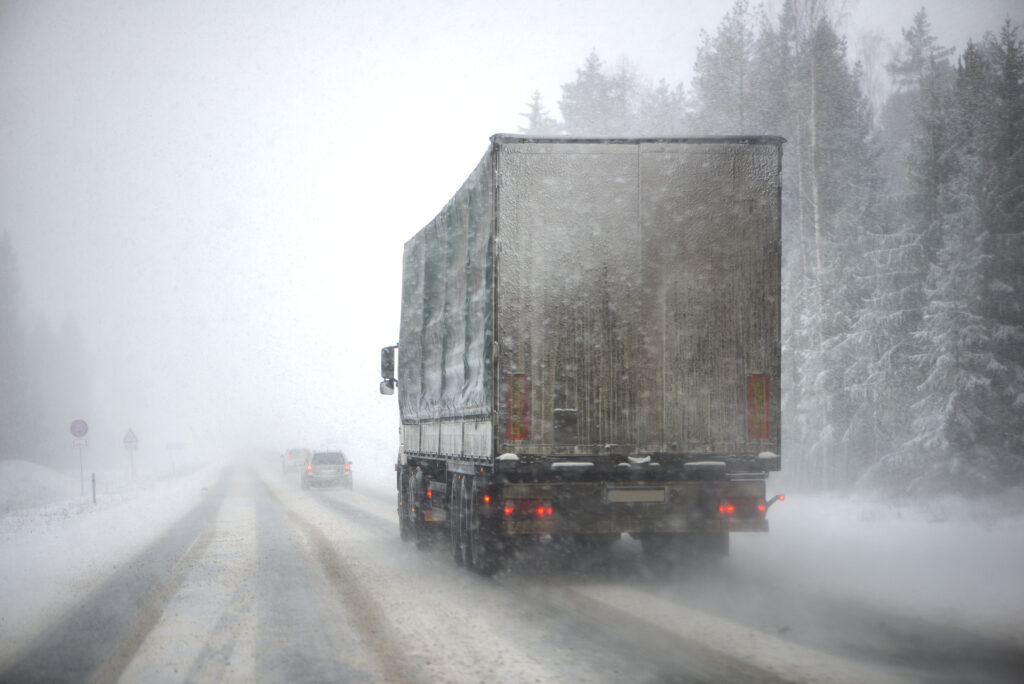
How Can Industrial Wheel Wash Systems Operate Effectively in Cold Weather?
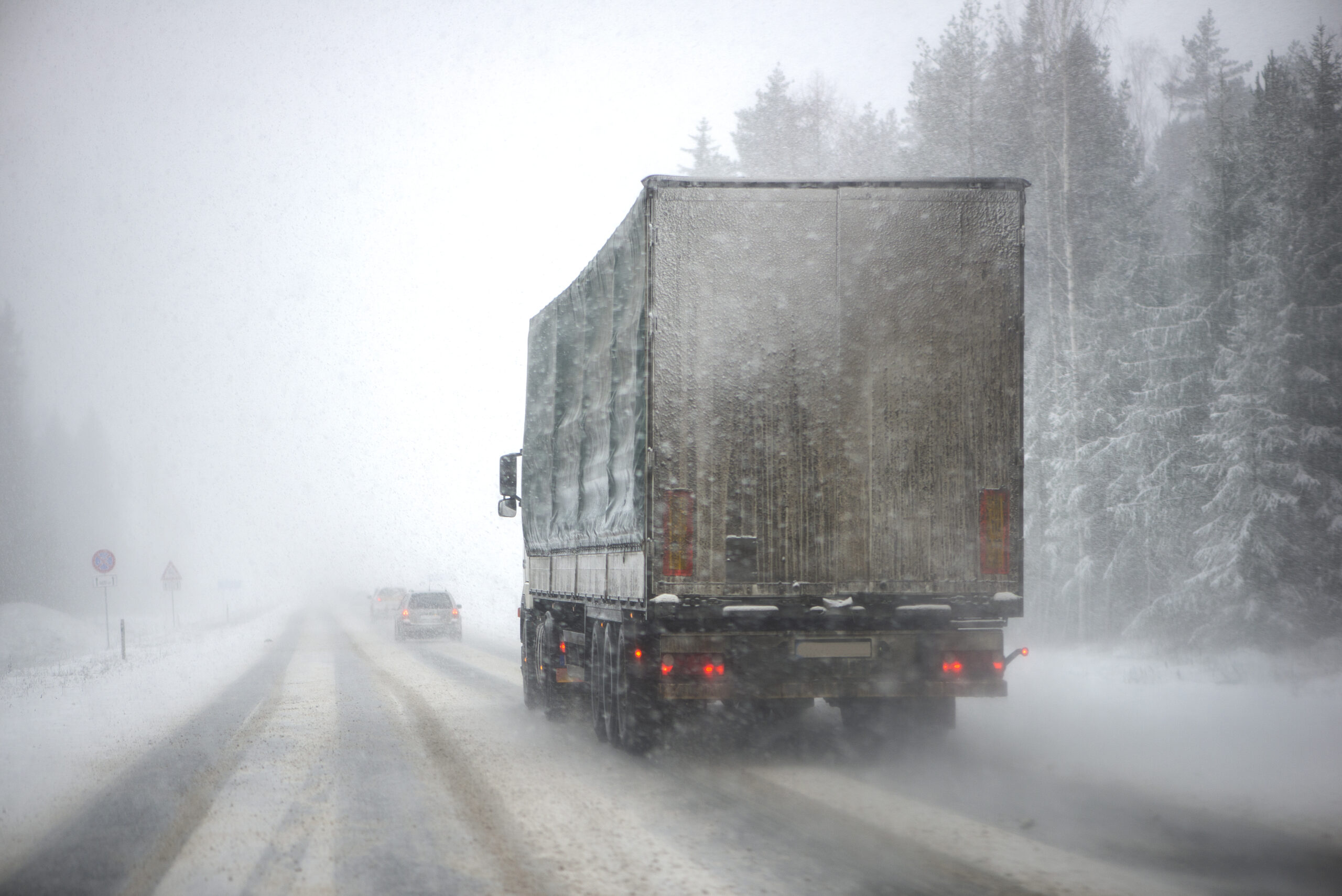
Winter creates additional challenges for construction sites, mines, landfills, and other industrial operations. Mud may freeze onto tires, water lines can become vulnerable to low temperatures, and wet surfaces may turn icy.
With proper planning and maintenance, an industrial wheel wash system can continue supporting cleaner vehicles and roadways throughout the colder months.
Why Is Wheel Washing Still Important During Winter?
Cold weather does not eliminate track-out. In many areas, changing temperatures create a mixture of mud, snow, road salt, and loose sediment that sticks to vehicle tires and undercarriages.
When trucks leave a site, this material can be deposited onto public roads. Mud and slush may freeze, while dried sediment can become airborne when traffic passes over it. Regular wheel washing helps control these materials before vehicles reach the roadway.
It can also remove deicing chemicals and other substances that may contribute to corrosion when they remain on vehicle components.
Can an Industrial Wheel Wash Be Used in Freezing Temperatures?
Yes, but the system must be configured for the local climate. Cold-weather operation may require insulated pipes, tank heaters, heat tracing, protected pumps, or other freeze-prevention features.
Neptune’s heavy-equipment wheel wash systems can be equipped with tank-heating options for demanding permanent applications. The appropriate setup depends on expected temperatures, the system’s exposure to wind, operating hours, and whether the wash will run continuously or intermittently.
Facilities should discuss their seasonal conditions with the system provider before installation.
How Can Operators Prevent Water Lines from Freezing?
Water remaining inside exposed pipes, pumps, valves, and spray nozzles may freeze when temperatures fall. Because water expands as it freezes, trapped water can damage system components.
Operators should follow the manufacturer’s winterization instructions, inspect insulation, and confirm that heaters or heat-tracing equipment are working properly. Systems that will be shut down for extended periods may need to be drained.
The National Weather Service notes that water expands when it freezes, which is why cold-weather preparation is so important for water-based equipment.
What Maintenance Is Needed During Cold Weather?
Winter inspections should focus on spray nozzles, pumps, tanks, ramps, sensors, drainage areas, and heating equipment. Ice, frozen mud, or accumulated solids should be addressed before they interfere with normal operation.
Operators should also monitor the water-recycling system. Removing sediment regularly provides enough tank capacity for water to settle and circulate effectively. A consistent maintenance schedule is usually more efficient than waiting for a frozen or clogged component to cause downtime.
For additional seasonal guidance, Neptune offers information about keeping equipment winter-ready.
Can Wheel Wash Water Create an Ice Hazard?
It can if drainage and housekeeping are not managed correctly. Water that escapes the designated wash area may freeze on ramps, walkways, or vehicle routes.
The wash area should be graded so water returns to the collection system instead of pooling around the platform. Operators should inspect surrounding surfaces regularly and use appropriate ice-control practices when necessary.
OSHA identifies slippery roads and walking surfaces as significant winter weather hazards. Keeping drainage paths open and addressing ice promptly can help protect drivers, equipment operators, and maintenance personnel.
Should Vehicles Be Washed Differently During Winter?
The basic cleaning process remains similar, but operators may need to adjust the wash cycle based on conditions. Heavy frozen mud could require a longer platform or additional tire revolutions, while lighter road grime may need a shorter cycle.
Undercarriage washing can be especially valuable during winter because it removes salt, sediment, and frozen material from difficult-to-reach vehicle components.
How Can Innovative Equipment Solutions Help?
Innovative Equipment Solutions can evaluate a facility’s climate, traffic volume, equipment size, soil conditions, and installation area before recommending a wheel wash configuration.
Planning for winter from the beginning helps protect the system, reduce unexpected downtime, and maintain reliable cleaning performance. With appropriate heating features, drainage, inspections, and maintenance, an industrial wheel wash can remain a valuable part of cleaner and safer site operations throughout the year.