
How Can Industrial Wheel Wash Systems Operate Effectively in Cold Weather?
July 9, 2026
Why Are Industrial Wheel Wash Systems Important for Demolition Sites?
July 23, 2026
How Do Industrial Wheel Wash Systems Support High-Traffic Sites?
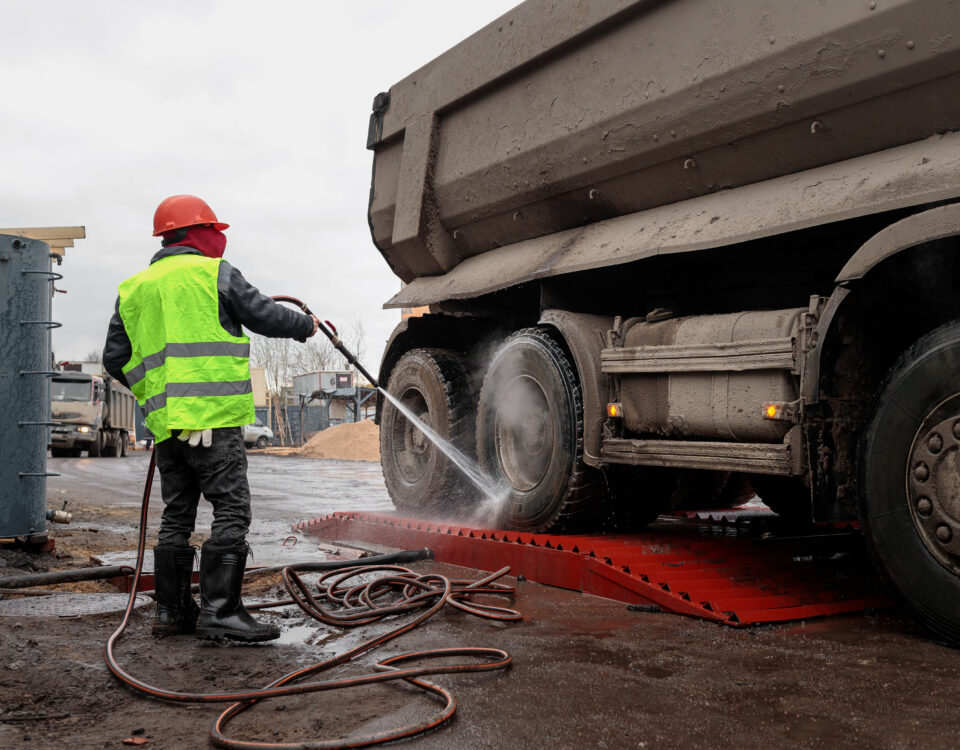
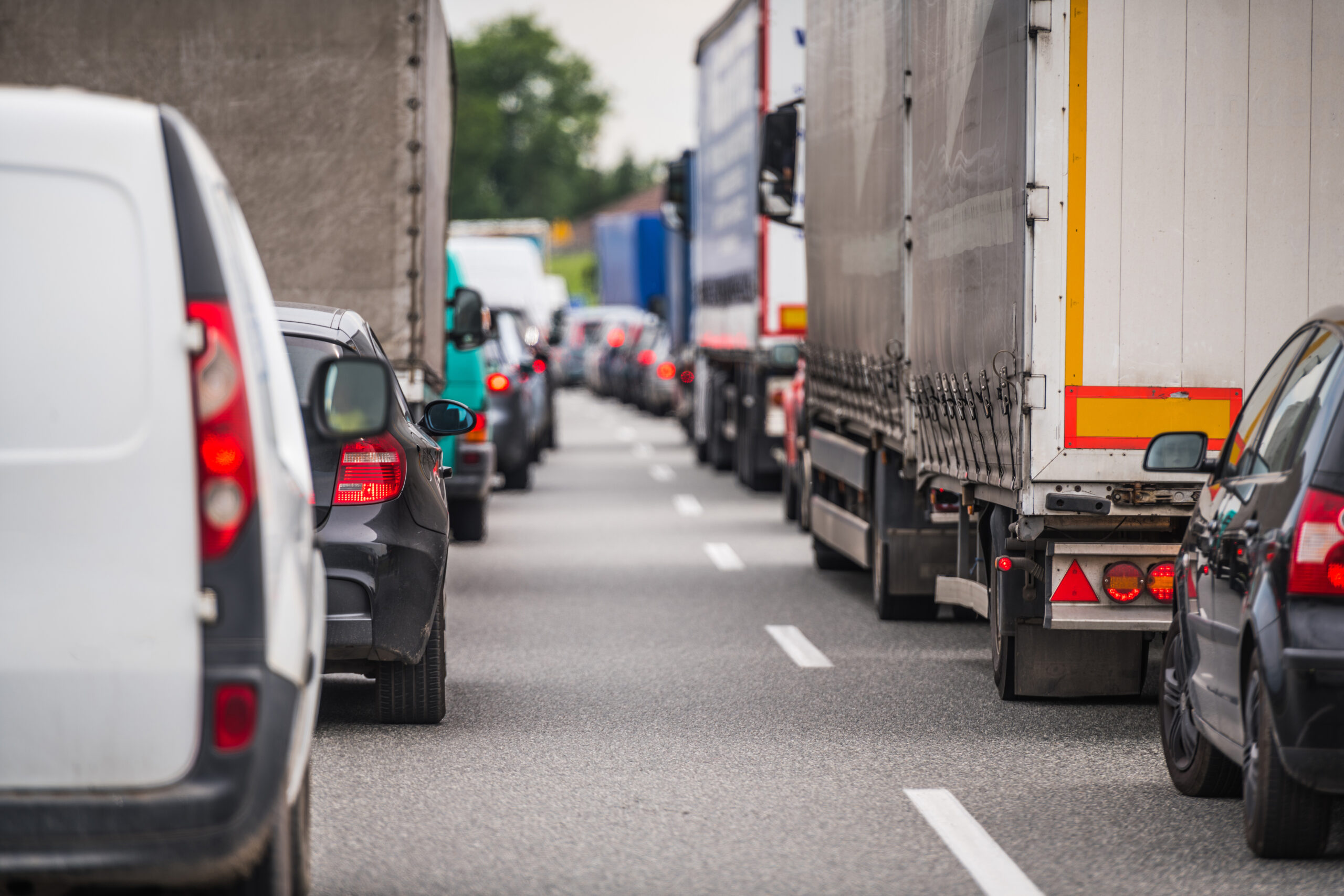
Busy construction projects, landfills, mines, and industrial facilities may process hundreds of trucks every day. Each vehicle can carry mud, sediment, and debris toward the site exit, creating a track-out problem that becomes more difficult to control as traffic increases.
An appropriately designed industrial wheel wash system can clean vehicles consistently while keeping traffic moving.
Why Is Vehicle Volume Important When Choosing a Wheel Wash?
Traffic volume affects almost every part of a wheel wash system. The wash platform, pumps, recycling tank, sediment-removal equipment, and approach lanes must be able to support the number of vehicles expected during peak periods.
A system designed for occasional use may struggle when trucks arrive continuously. Undersized equipment can lead to long lines, rushed wash cycles, excessive sediment buildup, or increased maintenance.
Site managers should evaluate both the average number of vehicles and the busiest hour of a typical workday.
Can an Automated Wheel Wash Prevent Exit Delays?
Yes. Automation allows the wash cycle to begin when sensors detect an approaching vehicle. Drivers can move through the system without waiting for an employee to position hoses or manually clean each tire.
Neptune’s automated wheel wash systems can process up to 75 to 100 trucks per hour when properly configured with a high-capacity tank. Actual performance depends on the selected platform, soil conditions, vehicle speed, tank capacity, and overall site layout.
Automation also helps ensure that every vehicle receives a consistent cleaning process.
How Does Platform Length Affect Throughput?
The platform must be long enough to provide the required number of tire revolutions. As tires rotate, different parts of the tread and wheel assembly are exposed to the system’s spray pattern.
A shorter platform may be appropriate for light dust or sandy material. Sticky clay, deeply packed treads, and debris trapped between dual wheels may require additional tire revolutions and a longer wash platform.
The goal is to balance cleaning effectiveness with an efficient wash cycle. A system that allows trucks to move too quickly may not clean thoroughly, while an unnecessarily long cycle could slow traffic.
Why Is the Water-Recycling Tank So Important?
Every wash cycle sends water and removed material into the collection system. On a high-traffic site, that volume can accumulate quickly.
A properly sized tank gives sediment time to settle before the water is reused. If the tank is too small, solids may circulate back through the pumps and nozzles or require more frequent cleanouts.
Neptune’s system strengths and features include high-volume water delivery, solid-handling pumps, customized header systems, and water-recycling options designed to support dependable operation.
How Should Traffic Be Directed Through the Wash?
The wash should be positioned along the normal exit route so every required vehicle passes through it. Clear signs, lane markings, speed controls, and enough room for the largest truck can help drivers approach the platform safely.
The EPA’s guidance on construction track-out controls recommends making high-volume entrances wide enough for two vehicles to pass when appropriate. The exit should also be designed so long trucks can turn without leaving the stabilized area.
Can a Wheel Wash Support Site Safety?
A well-designed system can reduce manual washing, limit truck backups, and help keep mud away from paved roads. However, it should be part of a broader traffic-safety program.
OSHA recommends that employers assess hazards involving drivers, vehicles, and roads when developing motor vehicle safety procedures. Around the wash area, that may include controlling speed, maintaining visibility, separating workers from moving vehicles, and training drivers on the proper route.
How Can Innovative Equipment Solutions Help?
Innovative Equipment Solutions can evaluate vehicle size, peak traffic, soil type, available space, water access, and maintenance requirements before recommending a system.
Matching the wash platform and recycling equipment to actual site demand helps prevent bottlenecks and inconsistent cleaning. With the right configuration, an automated wheel wash can keep high-traffic operations productive while supporting cleaner roads, better sediment control, and a more professional site entrance.