How Do Industrial Wheel Wash Systems Help Recycling and Transfer Facilities?
September 12, 2026
How Can Industrial Wheel Wash Systems Support Brownfield Cleanup Projects?
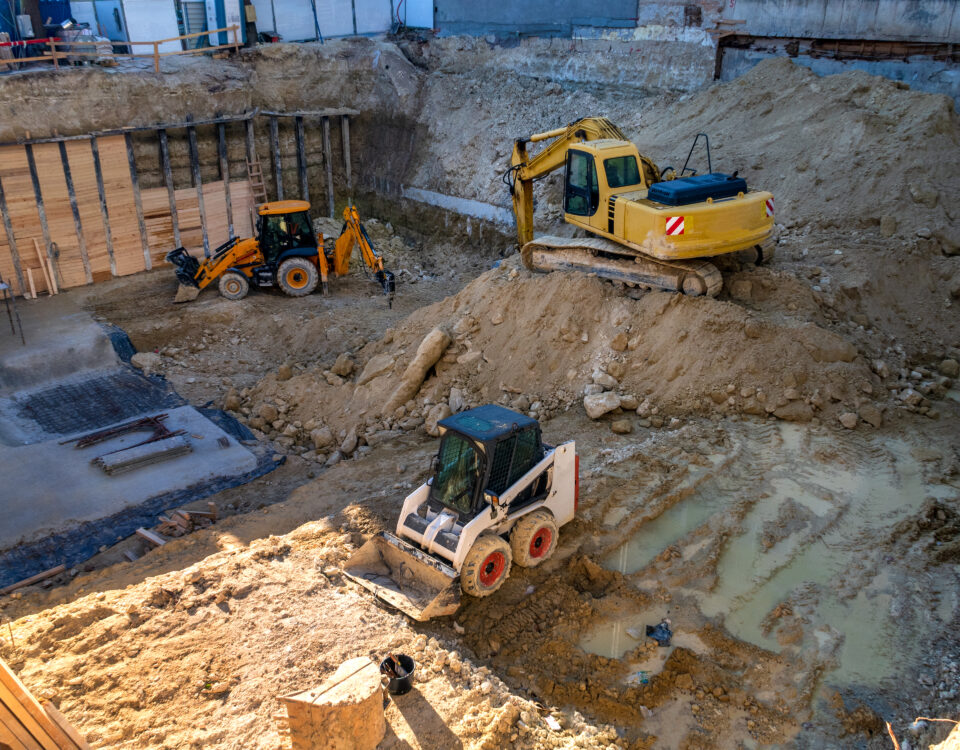
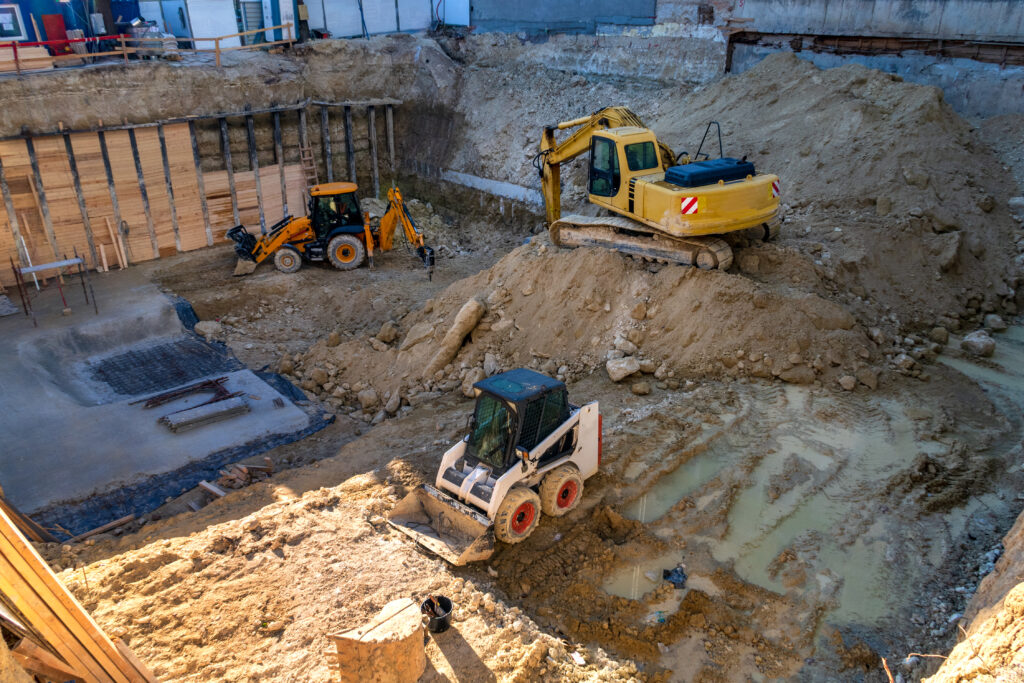
Brownfield cleanup can prepare underused land for a new purpose. Before redevelopment, crews may need to dig or treat soil affected by past site use. Haul trucks can pick up that soil on their tires.
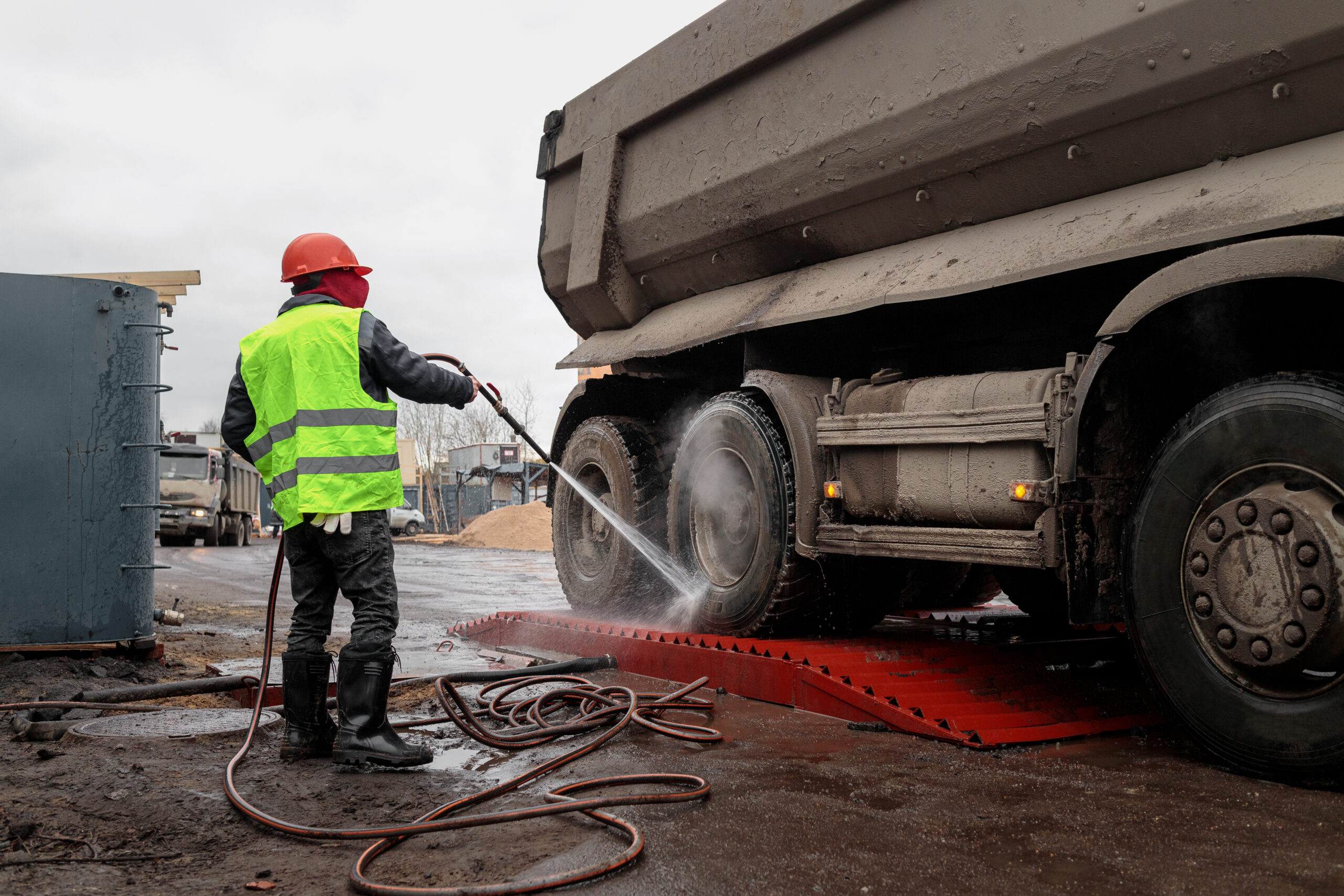
An industrial wheel wash system helps crews clean vehicles at the exit. It supports the site’s containment plan by reducing the soil carried onto public roads.
Wheel washing does not treat contaminated soil; it helps keep tracked material within the controlled work area.
Why Is Vehicle Track-Out a Concern at Brownfield Sites?
Brownfield work often brings buried soil to the surface. Trucks then cross temporary roads before leaving for an approved destination.
Wet soil can fill tire treads or dual-wheel gaps. If it falls onto nearby pavement, crews may face added cleanup. Rain may also carry it toward drains.
The site’s environmental professional should decide which vehicles need cleaning. A wheel wash then gives the team a steady process for carrying out that plan.
How Does an Automated Wheel Wash Clean Haul Trucks?
Sensors start the wash when a truck enters the platform. High-volume water reaches the tires; rotation moves packed areas through the spray.
Neptune automated wheel wash systems offer platform lengths based on the soil and required tire turns. Sticky material may call for a longer wash path than loose grit. Automated cleaning also keeps workers away from moving trucks.
Does a Wheel Wash Remove Contamination From the Site?
No. A wheel wash controls track-out; it does not treat the property. The EPA’s guide to cleaning up brownfield sites explains that cleanup methods depend on the contaminants and planned land use.
The wheel wash supports that work at the exit. It should fit the approved cleanup plan and agency requirements.
How Should Wash Water and Removed Soil Be Handled?
Water from the platform may contain site soil. It must be captured; it should not flow toward a street or storm drain. The project team should set handling steps for the water and solids.
A closed-loop setup separates solids from used water, then returns recovered water to the wash. This can cut fresh-water demand while keeping removed soil in a set location.
What System Features Matter for Remediation Work?
The exit route may shift as work moves across the property. An aboveground or relocatable setup can help when a permanent installation is not practical.
Neptune’s wheel wash strengths and features include adjustable nozzles and flexible installation options. The platform and tank should suit the largest truck and busiest work period.
How Can Innovative Equipment Solutions Help?
Innovative Equipment Solutions can review soil, truck size, traffic, available space, and wash-water needs. This review helps match the platform and tank to the work.
The right system can reduce track-out and support a cleaner project boundary. It also gives crews a repeatable exit step while brownfield cleanup moves forward.
FAQ
Can a temporary wheel wash be used during a short cleanup project?
Yes. A relocatable setup may suit a limited schedule. Site access and tank space will guide the layout.
Should trucks be washed before or after they are covered?
The cleanup plan should set the order. In many cases, tires are cleaned at the controlled exit after the load has been secured.
Can recycled wash water be used at a contaminated site?
It may be possible within a closed-loop system. The environmental team must confirm how the water will be managed under the site’s approved plan.