
How Do Industrial Wheel Wash Systems Support Underground Construction Projects?
September 5, 2026
How Can Industrial Wheel Wash Systems Support Brownfield Cleanup Projects?
September 19, 2026
How Do Industrial Wheel Wash Systems Help Recycling and Transfer Facilities?
Recycling centers and waste transfer stations handle steady traffic in tough conditions. Trucks cross areas that may hold dirt or wet residue. That material can cling to tires, then reach public roads.
An industrial wheel wash system helps stop track-out at the exit. It gives each vehicle a set cleaning cycle; it also helps the site control wash water within a planned area.
A well-sized wheel wash keeps tracked material inside the facility, where crews can collect and manage it.
Why Is Track-Out a Concern at Recycling Facilities?
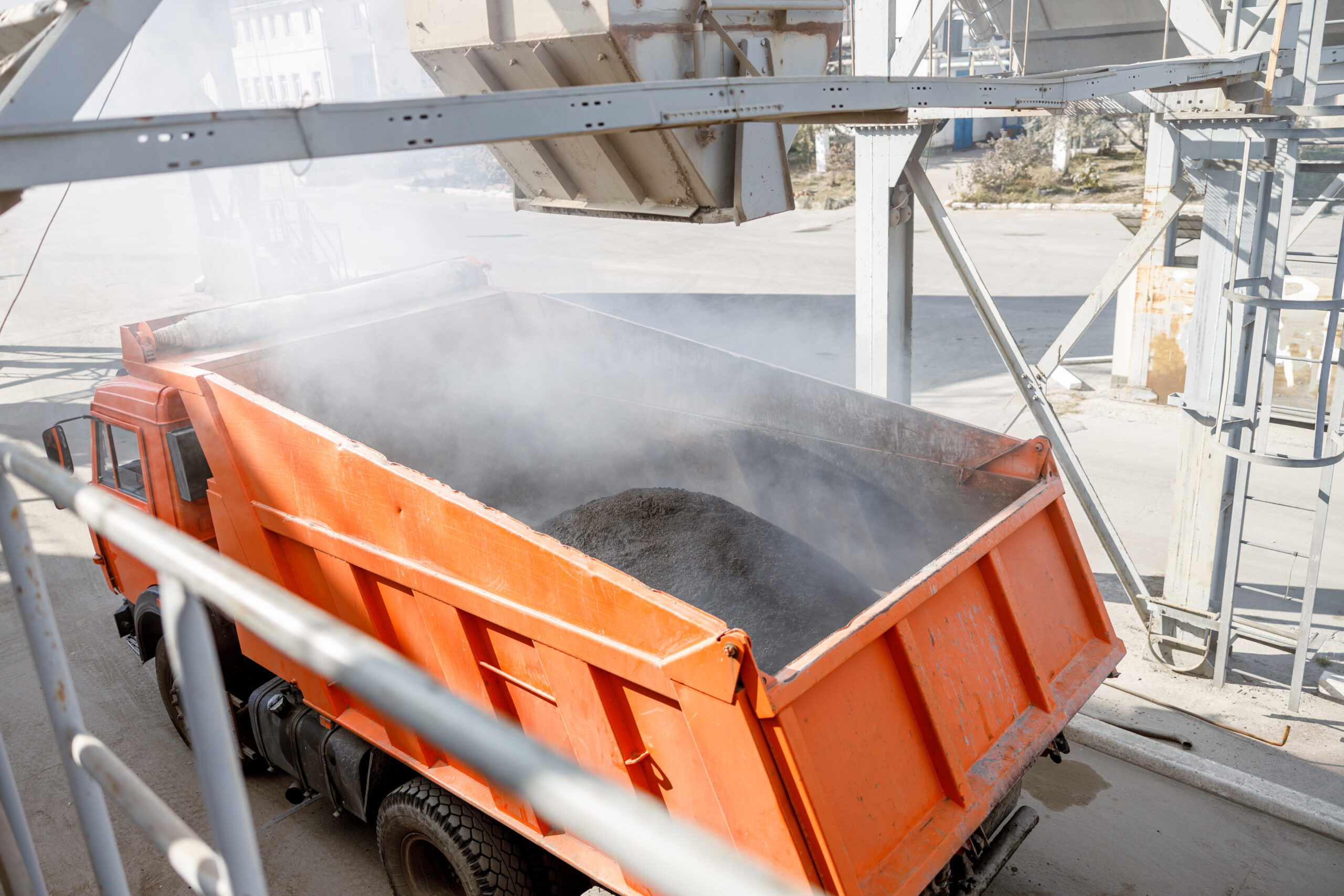
Even a small amount of debris per truck can build up fast. Tire treads may hold grit or processed material. Mud can also form near tipping floors or unpaved routes.
On the road, this material may cause dust or slick spots. Rain can carry loose matter toward drains. A dirty exit may also draw complaints.
How Does an Automated Wheel Wash Work?
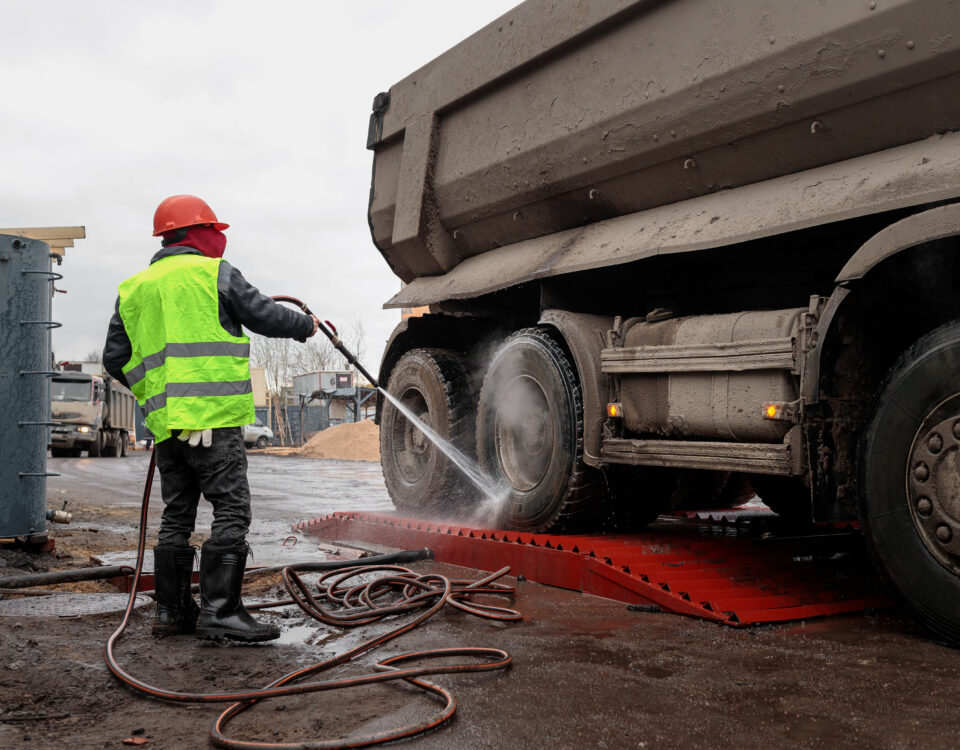
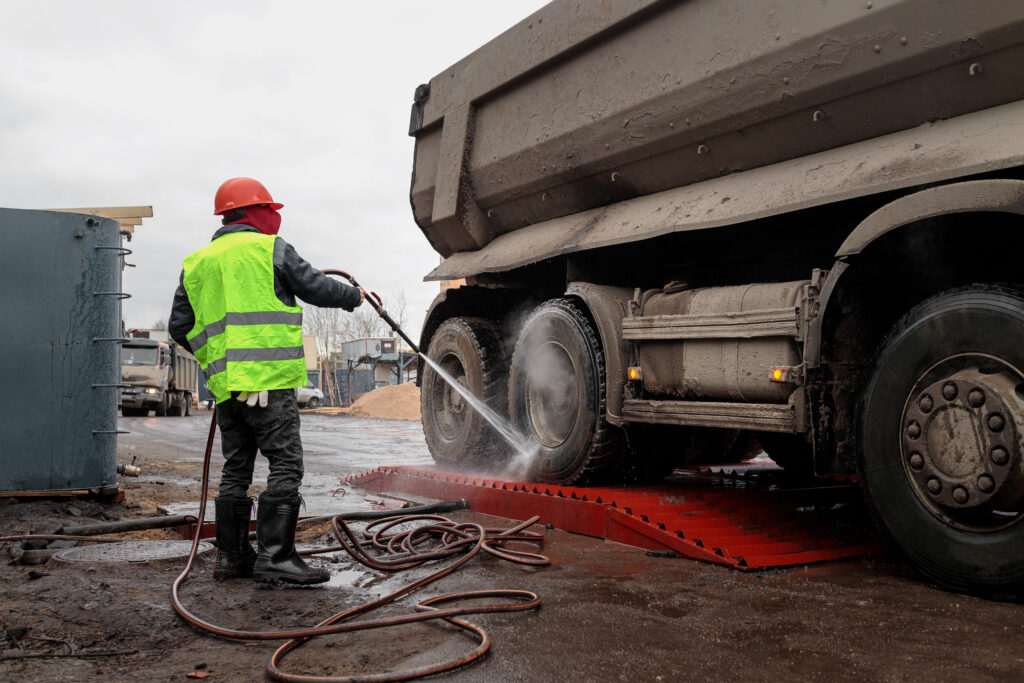
Sensors start the wash as a truck enters the platform. High-volume water reaches the tires and wheel gaps. Tire rotation exposes packed tread to the spray; the truck keeps moving.
Neptune automated wheel wash systems offer several platform lengths. The proper length depends on the soil and level of buildup. A longer platform gives tires added turns through the spray.
Which System Fits a Waste or Recycling Site?
Start with the material found on the tires. Light dust may need a compact setup. Sticky soil or packed dual-wheel gaps call for a stronger wash cycle.
Traffic also matters. The platform and water tank must support peak demand. Neptune’s guide to choosing a wheel wash system matches common soil conditions with suitable systems.
The layout should guide trucks through the wash without sharp turns or long backups. Clean tires should then cross a stable path before reaching the road.
How Should Wash Water Be Managed?
Wash water can carry sediment removed from vehicles. It should flow into a collection system, not a storm drain. The EPA’s guidance for recycling facilities covers housekeeping and controls for exposed industrial material.
A closed-loop system removes solids, then sends recovered water back to the wash. This cuts fresh-water demand; it keeps waste in a defined area. Local permits may set added rules.
What Maintenance Keeps the System Ready?
Crews should check nozzles and water levels on a set schedule. Tanks need cleanout before solids reduce capacity. Sensors and drains also need routine checks.
Recycling sites may produce wire or bulky debris that a wheel wash is not built to process. Good housekeeping keeps those items out of pumps and tanks; fast removal helps prevent downtime.
How Can Innovative Equipment Solutions Help?
Innovative Equipment Solutions can review vehicle size, traffic, site material, space, and water needs. That helps match the wash and recycling setup to real needs.
With the right design, a wheel wash can reduce track-out and limit road cleanup. It is a direct way to run a cleaner exit and keep trucks moving.
FAQ
Can a wheel wash clean collection trucks with dual rear tires?
Yes. The spray layout can target tire faces and dual-wheel gaps. The platform should provide enough tire turns for the material being removed.
Can the system run during peak delivery periods?
Yes, when the platform and tank are sized for peak traffic. A clear approach lane also helps prevent backups.
Should every vehicle use the wheel wash?
The track-out plan should define which vehicles must pass through it. Trucks crossing exposed soil are common candidates.