
Why Are Industrial Wheel Wash Systems Important for Data Center Construction?
August 29, 2026
How Do Industrial Wheel Wash Systems Help Recycling and Transfer Facilities?
September 12, 2026
How Do Industrial Wheel Wash Systems Support Underground Construction Projects?
Tunneling, pipeline installation, sewer improvements, and underground utility projects generate large amounts of excavated soil. Trucks transporting that material may travel continuously between excavation areas, staging locations, and disposal facilities.
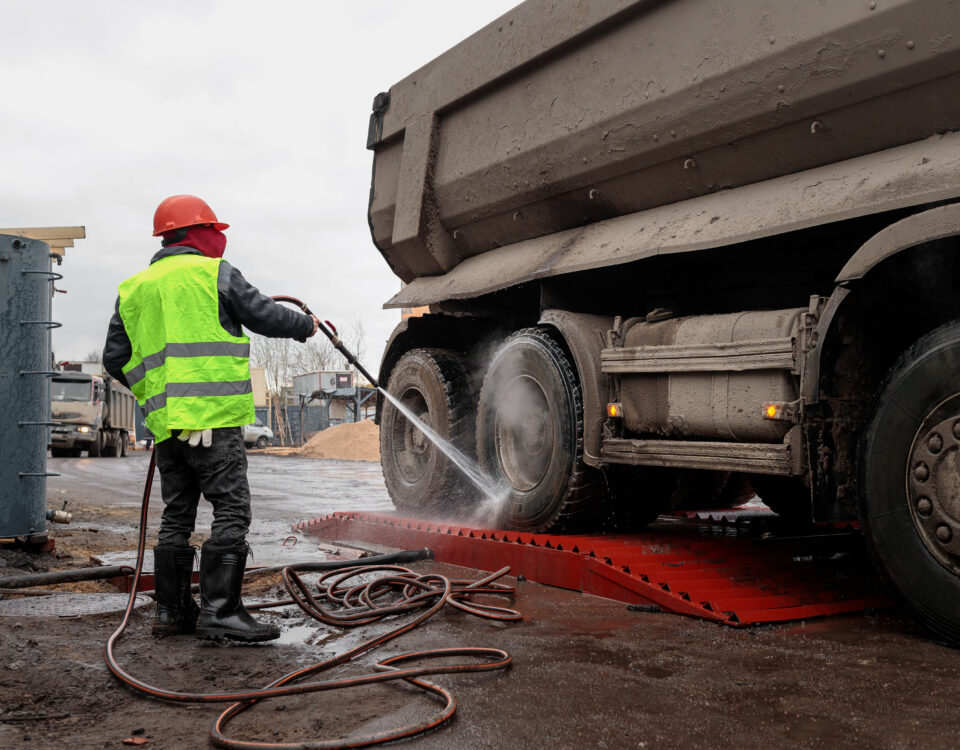
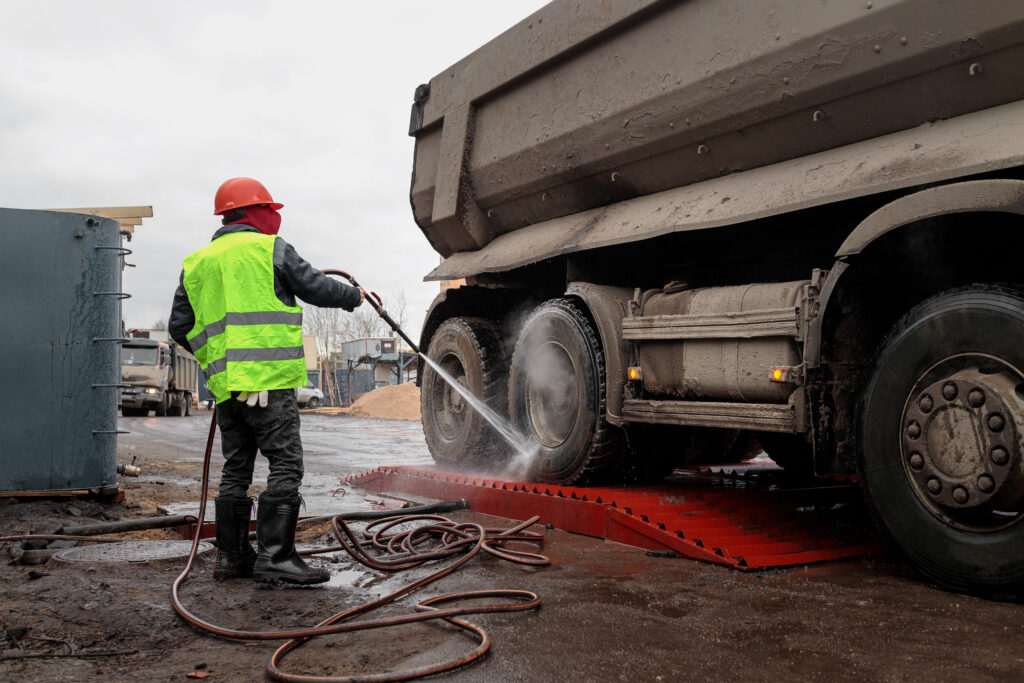
An industrial wheel wash system helps remove mud and sediment before those trucks enter public roads.
Why Is Track-Out Common During Underground Construction?
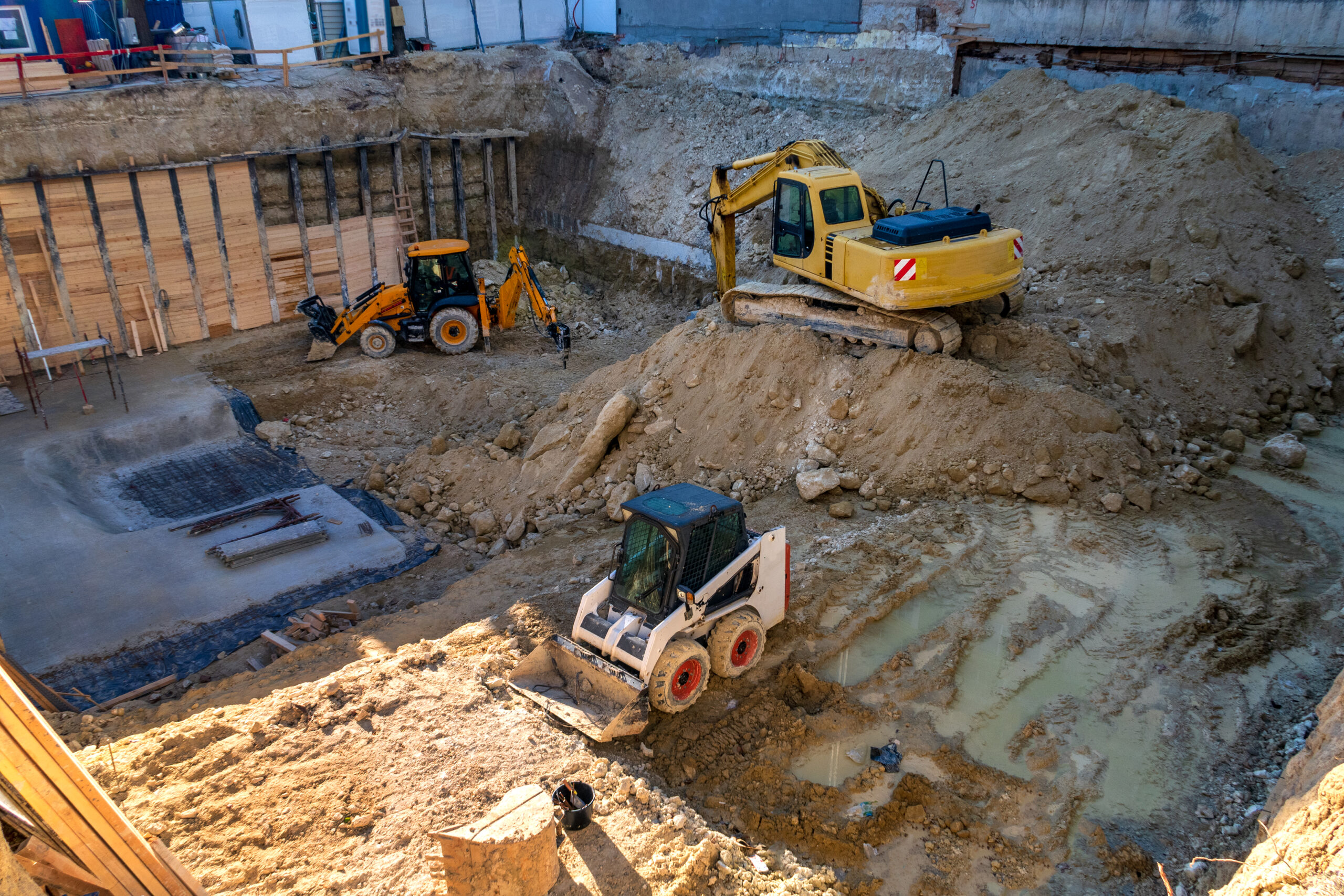
Underground projects frequently bring wet soil, clay, rock, and groundwater to the surface. Excavators and loaders transfer this material into haul trucks, which then travel across temporary roads and congested work areas.
Mud can fill tire treads, collect between dual wheels, and cling to vehicle undercarriages. When trucks leave the site, that material may fall onto surrounding streets.
Because many underground projects are located in developed areas, even a short trail of mud can affect traffic, pedestrians, neighboring businesses, and storm drains.
How Does an Industrial Wheel Wash Remove Heavy Soil?
An industrial wheel wash directs high volumes of water toward tires, wheels, and undercarriages. As a truck moves across the wash platform, tire rotation exposes packed surfaces to strategically positioned spray nozzles.
Neptune’s automated wheel wash systems are available in different platform lengths. Sites dealing with sticky clay or deeply packed treads may require additional tire revolutions for thorough cleaning.
Sensors can activate the system automatically, allowing trucks to move through without waiting for manual washing.
Can a Wheel Wash Work in a Limited Construction Area?
Yes, but careful planning is essential. Underground projects in urban areas may have little room for equipment, vehicle queuing, water tanks, and approach ramps.
The wheel wash should be positioned along the required exit route while maintaining enough space for the largest truck to enter and leave safely. Aboveground or relocatable configurations may be helpful where excavation is impractical or the project entrance will change.
Designers should also account for overhead lines, underground utilities, nearby traffic, drainage, and worker access.
How Should Wash Water and Excavated Sediment Be Managed?
Wash water should be captured and directed into a settling or separation system. Solids are removed before the recovered water is reused for additional wash cycles.
Underground construction may produce unusually heavy sediment loads, so the tank must provide adequate settling capacity. Operators should remove accumulated solids regularly and inspect pumps and nozzles for material that could restrict water flow.
The EPA’s guidance on construction track-out controls recommends directing vehicle wash water into an appropriate sediment trap or treatment area instead of allowing it to leave the site.
Can Wheel Washing Help Maintain Safer Streets?
Removing mud from truck tires can reduce the amount of slippery material deposited on nearby pavement. It may also reduce dried sediment that becomes airborne when disturbed by traffic.
A wheel wash should be combined with stabilized exits, street sweeping, traffic controls, and regular inspections. Drivers should receive clear instructions about the required route and proper speed through the platform.
OSHA’s underground construction requirements address broader hazards associated with tunnels, shafts, and underground work. Wheel washing does not replace these safety measures, but it can support cleaner vehicle routes and more organized site operations.
What Maintenance Does the System Require?
Maintenance generally includes inspecting spray nozzles, sensors, pumps, ramps, drainage areas, and water levels. Sediment tanks should be cleaned before accumulated material reduces their working capacity.
Neptune’s system strengths and features include solid-handling pumps, adjustable nozzles, and configurations designed for demanding construction conditions.
How Can Innovative Equipment Solutions Help?
Innovative Equipment Solutions can evaluate the project’s soil type, truck volume, available space, vehicle dimensions, water access, and expected duration.
A properly configured industrial wheel wash helps underground contractors control track-out, reduce roadway cleanup, conserve water, and maintain an orderly site exit. When excavation produces difficult soil conditions, dependable wheel washing can keep that material where it belongs—inside the project area.