
How Do Industrial Wheel Wash Systems Support High-Traffic Sites?
July 16, 2026
How Can Industrial Wheel Wash Systems Support Renewable-Energy Construction?
August 1, 2026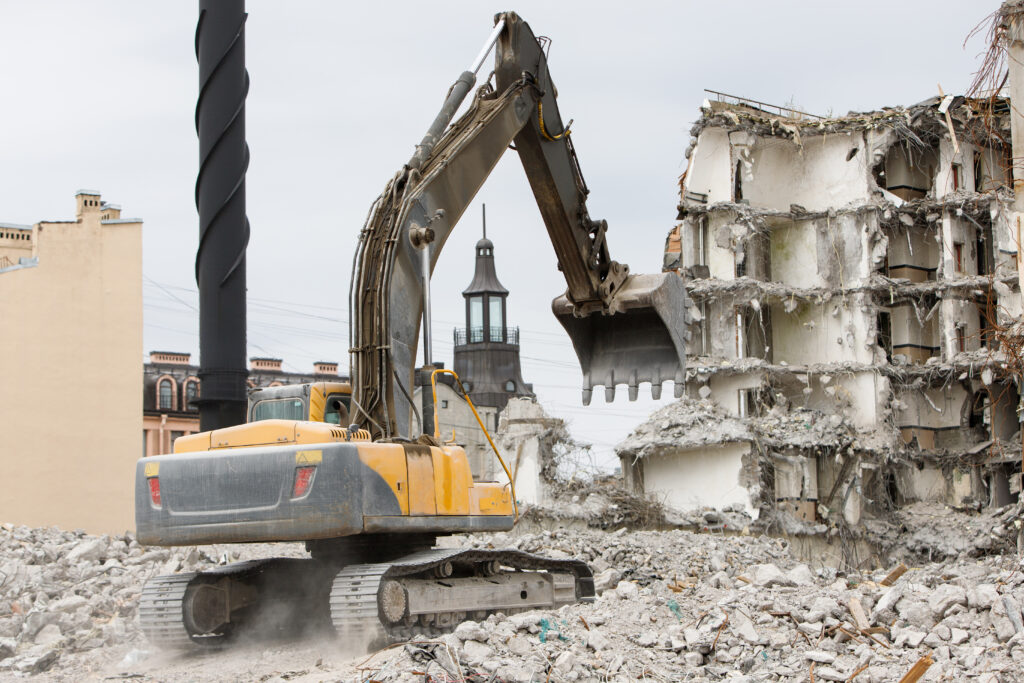
Why Are Industrial Wheel Wash Systems Important for Demolition Sites?
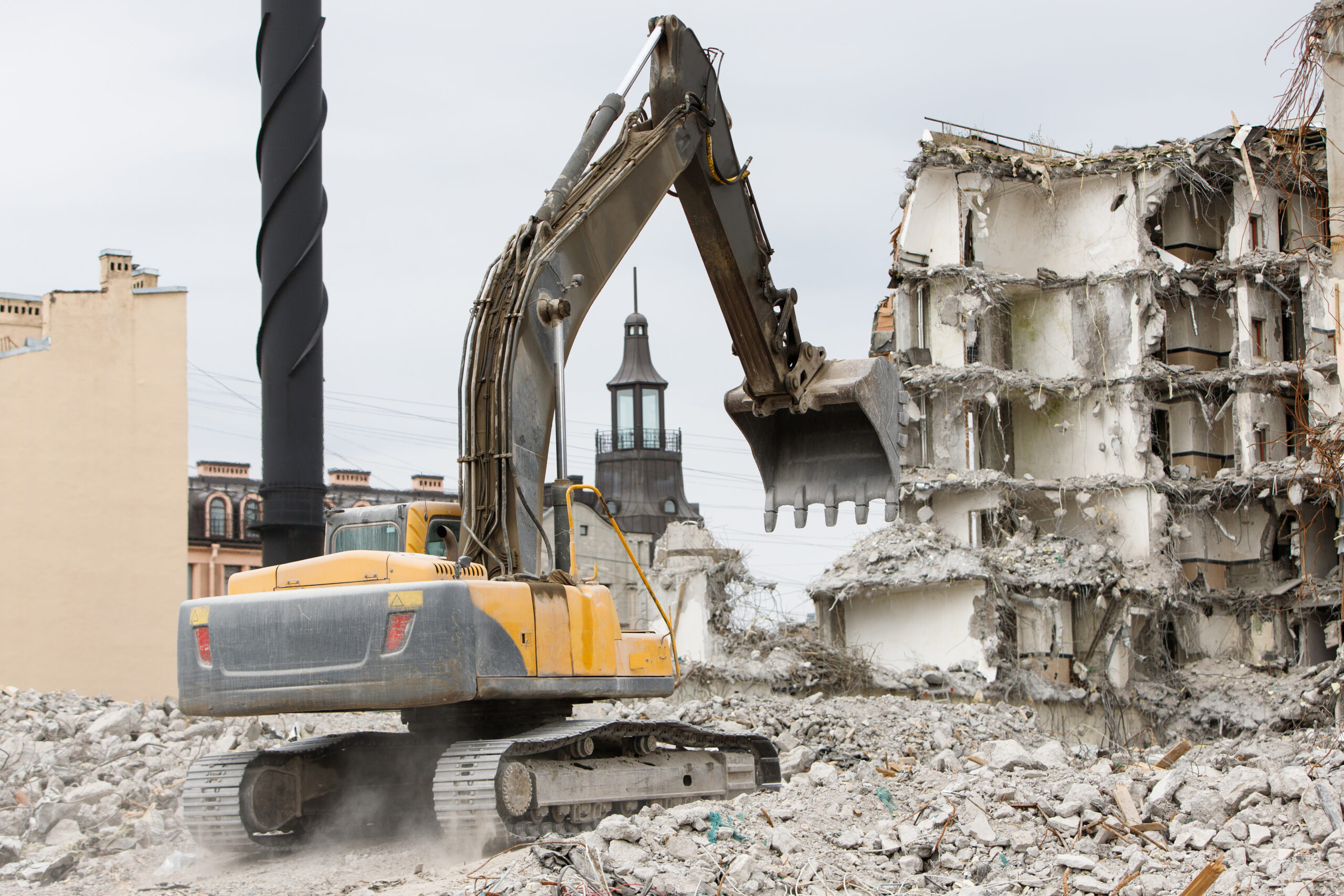
Demolition and site-clearing projects can generate heavy vehicle traffic, exposed soil, dust, and loose building materials. Dump trucks, loaders, and hauling equipment may carry this material from the work area onto surrounding streets.
An industrial wheel wash system helps demolition contractors control track-out before vehicles leave the project, supporting cleaner roads and more organized site operations.
What Makes Demolition Sites Challenging?
Unlike a permanent industrial facility, a demolition site can change significantly as work progresses. Buildings disappear, access routes move, soil becomes exposed, and new piles of material are created.
Vehicle tires may collect mud, crushed concrete, dust, and other debris as trucks travel between loading areas and the site exit. Rain can make these conditions more difficult by turning fine material into heavy sediment that sticks to tire treads and undercarriages.
Because conditions change, track-out controls must be planned carefully and adjusted throughout the project.
How Does an Industrial Wheel Wash Help?
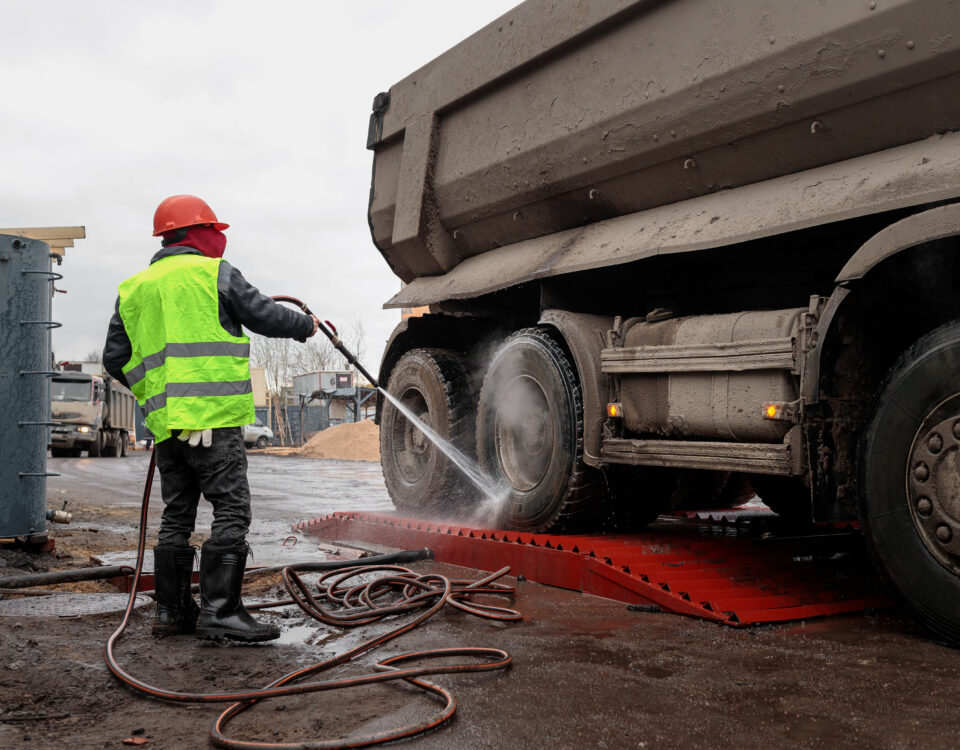
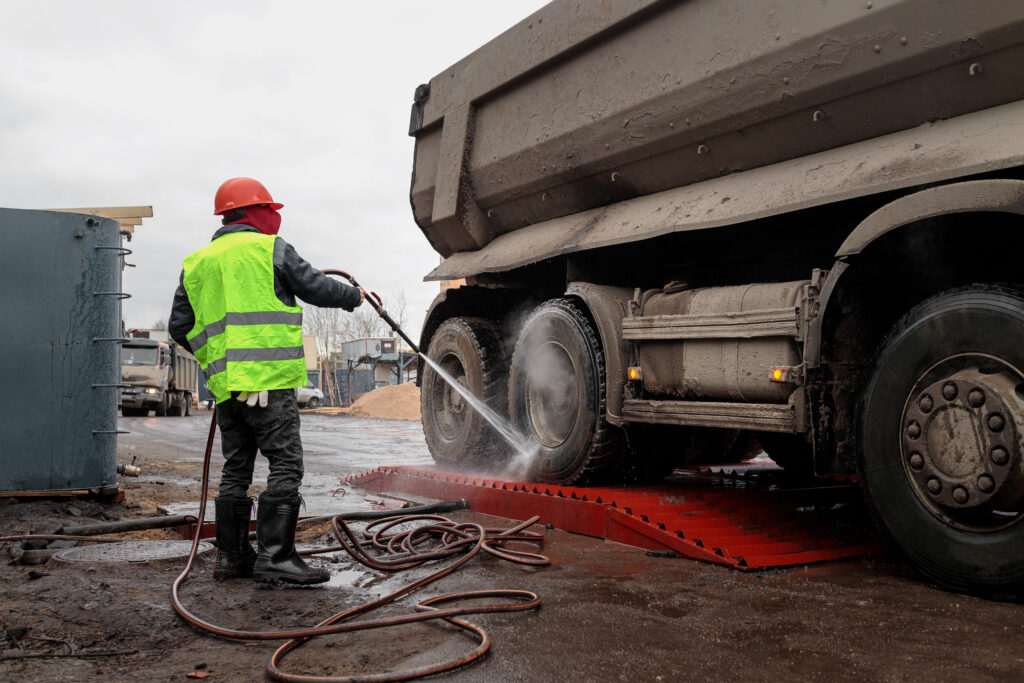
An industrial wheel wash uses strategically positioned water jets to remove dirt and debris from tires, wheel wells, and undercarriages. The cleaning process occurs before the vehicle reaches the public roadway.
Neptune’s automated wheel wash systems activate as vehicles enter the platform, creating a consistent process without requiring workers to wash each truck manually. Automation can be especially valuable during busy demolition phases when trucks enter and leave continuously.
Can a Wheel Wash Reduce Dust and Sediment Problems?
Yes. Mud deposited on a road may become airborne dust after it dries. Loose sediment can also enter storm drains when rainwater crosses the roadway.
The EPA recommends managing stormwater and dust at demolition sites because runoff may carry sediment, building material, trash, and other substances toward storm sewers and waterways.
Wheel washing supports these efforts by removing material while it is still within a controlled area. It should be used alongside stabilized entrances, drainage controls, good housekeeping, and any measures required by the project’s permits.
Where Should the Wheel Wash Be Located?
The system should generally be positioned along the primary exit route so trucks naturally pass through it before leaving. The location needs sufficient room for the platform, approach ramps, water-recycling equipment, drainage, and vehicle queuing.
Because demolition traffic routes can change, a relocatable or aboveground configuration may be useful for certain projects. Neptune’s guide to choosing a wheel wash system helps match the equipment to soil conditions and installation requirements.
The area between the wash and the public road should remain stabilized so freshly cleaned tires do not immediately collect more material.
How Is Demolition Debris Managed by the System?
A wheel wash is designed primarily to remove soil, sediment, and smaller debris carried by vehicle tires. Large or sharp pieces of demolition material should be kept away from the wash platform through regular housekeeping and inspection.
Dirty wash water flows into a collection or settling system, where solids are separated before the water is reused. Operators should inspect tanks and remove accumulated material frequently because demolition sites may generate sediment quickly.
Does Wheel Washing Replace Other Safety Measures?
No. A wheel wash is one part of a broader demolition and traffic-management plan. OSHA notes that demolition involves many construction hazards as well as additional unknown conditions, which is why specific demolition safety standards apply.
Sites still need suitable vehicle routes, trained drivers, traffic controls, equipment inspections, drainage management, and worker separation from moving vehicles. The wash area should also be checked for standing water, blocked drains, and slippery surfaces.
How Can Innovative Equipment Solutions Help?
Innovative Equipment Solutions can review the project duration, soil conditions, equipment sizes, expected traffic, available space, and water-management needs.
A correctly selected industrial wheel wash system can move with the changing demands of a demolition project while helping reduce track-out, cleanup labor, complaints, and roadway contamination. By addressing dirt and debris before trucks leave, contractors can maintain a cleaner site entrance and demonstrate care for the surrounding community.