
Why Are Industrial Wheel Wash Systems Essential During Mud Season? Frequently Asked Questions
May 19, 2026
How Industrial Wheel Wash Systems Improve Construction Site Efficiency: Frequently Asked Questions
June 2, 2026
How Industrial Wheel Wash Systems Help Protect Trucks and Heavy Equipment: Frequently Asked Questions
Heavy equipment and commercial trucks are among the most valuable assets on any construction site, quarry, mine, landfill, or industrial facility. Keeping these vehicles in good condition is essential for productivity, safety, and profitability.
While many companies invest heavily in preventative maintenance, they often overlook one simple solution that can help protect their fleet: an industrial wheel wash system.
Below are answers to common questions about how wheel wash systems can extend equipment life and reduce maintenance costs.
What Is an Industrial Wheel Wash System?
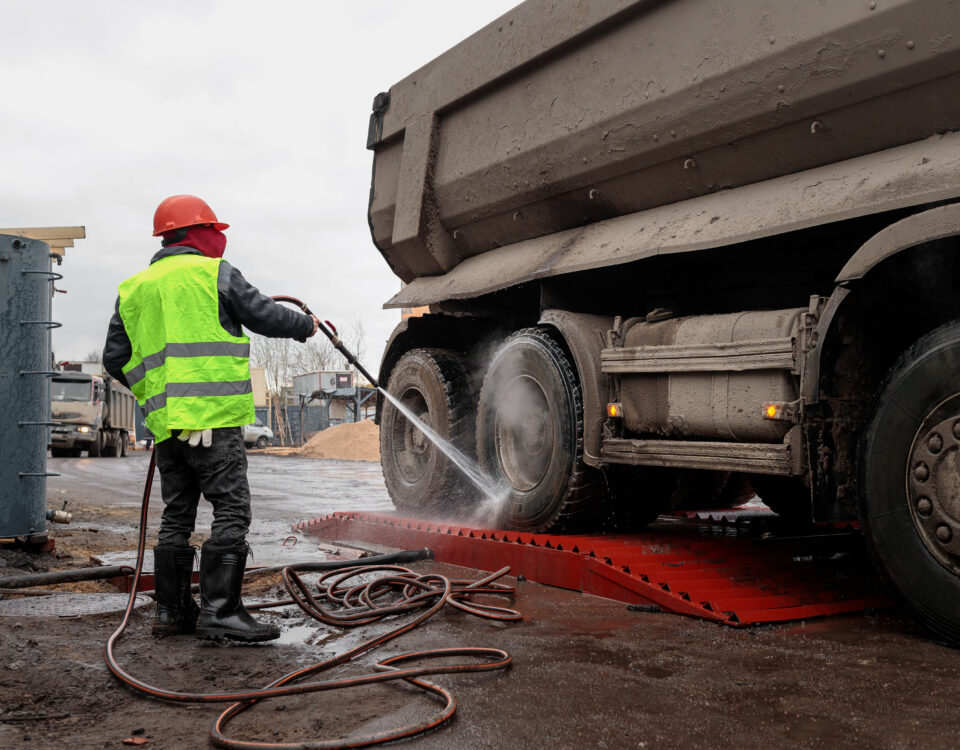
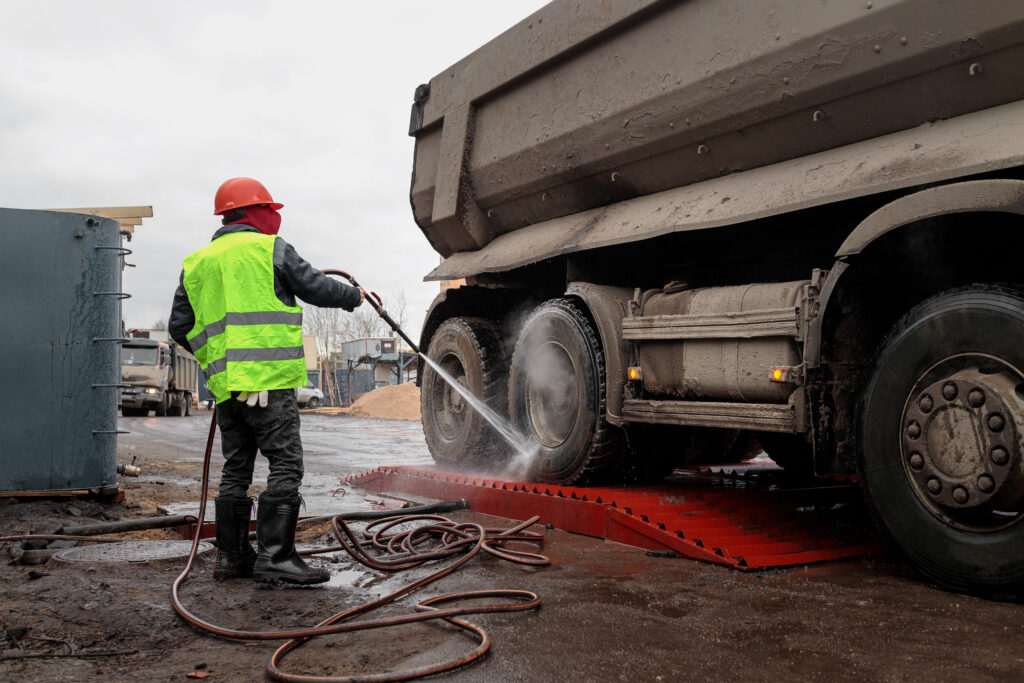
An industrial wheel wash system is designed to remove mud, dirt, sediment, and debris from vehicle tires, wheel wells, and undercarriages before trucks leave a site.
These systems help prevent contaminants from being carried onto public roads while also reducing buildup on vehicles themselves.
Many modern automated wheel wash systems provide fast, consistent cleaning without disrupting site operations.
Why Is Mud and Debris Harmful to Trucks?
Mud may seem harmless, but over time it can contribute to several maintenance challenges.
Excessive buildup can:
-
Trap moisture against metal surfaces
-
Accelerate corrosion
-
Increase wear on moving components
-
Hide developing mechanical issues
-
Add unnecessary weight to vehicles
The longer debris remains on equipment, the greater the potential impact on performance and maintenance costs.
Can Wheel Wash Systems Help Reduce Corrosion?
Yes.
Mud, dirt, road salts, and other contaminants can hold moisture against vehicle components, increasing the risk of rust and corrosion.
Regular cleaning helps remove these materials before they can cause long-term damage.
This is particularly important in regions where vehicles encounter wet conditions or deicing chemicals during colder months.
How Do Clean Vehicles Improve Maintenance Inspections?
Routine inspections are easier when vehicles are clean.
Excessive dirt and mud can hide:
-
Hydraulic leaks
-
Damaged hoses
-
Cracked components
-
Loose hardware
-
Tire wear issues
By removing buildup from tires and undercarriages, wheel wash systems help maintenance personnel identify potential problems more quickly.
Can Wheel Wash Systems Extend Tire Life?
Potentially.
When mud, rocks, and debris become lodged in tire treads or around wheel assemblies, they can contribute to uneven wear and additional stress on components.
Keeping tires cleaner helps support proper inspections and may reduce the likelihood of certain maintenance issues.
Do Wheel Wash Systems Protect Undercarriage Components?
Absolutely.
The undercarriage is one of the most exposed areas of any commercial vehicle.
Suspension components, brake systems, axles, and other critical parts are constantly subjected to dirt, moisture, and debris.
Many wheel wash systems are specifically designed to clean both tires and undercarriages, helping reduce contaminant buildup in hard-to-reach areas.
How Can Cleaner Vehicles Reduce Downtime?
Unexpected maintenance issues often lead to costly downtime.
By supporting routine cleaning and preventative maintenance efforts, wheel wash systems can help organizations:
-
Improve inspection accuracy
-
Reduce corrosion risks
-
Maintain cleaner equipment
-
Identify issues earlier
The result is often fewer surprises and more predictable maintenance schedules. Companies evaluating solutions should review key wheel wash system features and strengths when selecting equipment.
Which Industries Benefit Most From Equipment Protection?
Wheel wash systems are especially valuable for industries that operate in harsh environments, including:
-
Construction
-
Mining
-
Quarry operations
-
Waste management
-
Landfills
-
Aggregate production
-
Infrastructure development
These industries frequently expose vehicles to conditions that accelerate wear and contamination.
Can Water Recycling Systems Support Fleet Maintenance Goals?
Yes.
Many wheel wash installations incorporate water recycling systems that capture and reuse wash water.
This allows facilities to maintain regular vehicle cleaning without excessive water consumption, supporting both sustainability and cost-control initiatives.
Do Cleaner Trucks Improve Company Image?
They certainly can.
Well-maintained vehicles often reflect positively on an organization's professionalism and operational standards.
Clients, inspectors, and members of the public are more likely to view a company favorably when its equipment appears clean and properly maintained.
Are Wheel Wash Systems Only About Compliance?
Not at all.
While wheel wash systems play an important role in reducing track-out and supporting environmental compliance, they also provide significant fleet maintenance benefits.
According to resources from the American Trucking Associations, preventative maintenance remains one of the most effective ways to improve fleet reliability and control long-term operating costs.
A wheel wash system can be an important part of that broader maintenance strategy.
What's the Bottom Line?
Industrial wheel wash systems do much more than keep roads clean. They help protect trucks, trailers, and heavy equipment from the damaging effects of mud, debris, and contaminants encountered during daily operations.
For organizations looking to extend equipment life, improve maintenance efficiency, and reduce long-term operating costs, a wheel wash system can be a valuable addition to any fleet management program.