
How Industrial Wheel Wash Systems Help Protect Trucks and Heavy Equipment: Frequently Asked Questions
May 26, 2026
Why Do Landfills Need Industrial Wheel Wash Systems? Frequently Asked Questions
June 9, 2026
How Industrial Wheel Wash Systems Improve Construction Site Efficiency: Frequently Asked Questions
Every construction project faces pressure to stay on schedule, control costs, and maintain compliance. While equipment, labor, and materials often receive the most attention, one factor that can significantly impact productivity is site cleanliness.
Industrial wheel wash systems help construction companies reduce delays, improve operations, and create a more efficient work environment. Below are answers to some of the most common questions about how wheel wash systems contribute to project success.
What Is an Industrial Wheel Wash System?
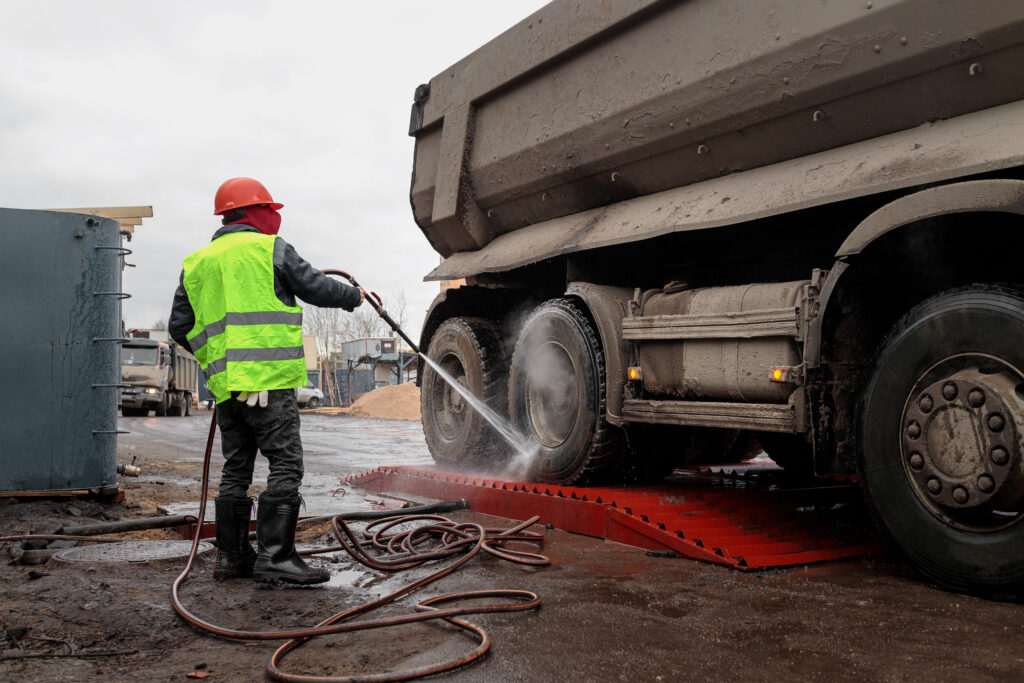
An industrial wheel wash system is designed to remove mud, dirt, sediment, and debris from vehicle tires and undercarriages before trucks leave a construction site.
These systems help prevent track-out onto public roads while supporting cleaner, safer, and more organized operations.
Many modern automated wheel wash systems allow trucks to pass through quickly without interrupting workflow.
Why Is Site Efficiency Important in Construction?
Construction projects operate on tight schedules and budgets.
Even small inefficiencies can create ripple effects that impact:
-
Labor productivity
-
Equipment utilization
-
Material deliveries
-
Project timelines
-
Operating costs
The more efficiently a site operates, the easier it becomes to meet deadlines and control expenses.
How Can Mud and Debris Slow Down a Construction Project?
Excessive mud and debris often create challenges that extend beyond cleanliness.
These issues may include:
-
Additional roadway cleanup
-
Delayed truck movement
-
Increased dust control efforts
-
Safety concerns
-
Time spent responding to complaints
A wheel wash system helps reduce these distractions by preventing contaminants from leaving the site.
Can Wheel Wash Systems Help Reduce Downtime?
Yes.
When roads, entrances, and staging areas remain cleaner, crews spend less time addressing cleanup issues and more time focusing on productive work.
By minimizing track-out, wheel wash systems help reduce interruptions that can impact daily operations.
How Do Wheel Wash Systems Improve Material Deliveries?
Construction projects depend on the reliable movement of materials and equipment.
A cleaner, more organized entrance helps delivery vehicles enter and exit the site more efficiently.
When traffic flow improves, projects can maintain better coordination between suppliers, contractors, and onsite personnel.
Do Wheel Wash Systems Support Better Job Site Organization?
Absolutely.
One of the biggest advantages of a wheel wash system is that it creates a designated exit process for vehicles.
This helps establish consistent traffic patterns and promotes a more organized site layout.
Well-organized sites are often easier to manage and operate more efficiently throughout the life of the project.
How Do Wheel Wash Systems Help Project Managers?
Project managers are responsible for balancing productivity, safety, compliance, and budget performance.
Wheel wash systems support these goals by helping reduce:
-
Cleanup costs
-
Administrative headaches
-
Compliance concerns
-
Community complaints
-
Operational disruptions
This allows project teams to focus on project execution rather than constantly addressing avoidable issues. Contractors evaluating options should review key wheel wash system features and strengths before selecting equipment.
Can Water Recycling Improve Efficiency?
Yes.
Many wheel wash systems feature water recycling technology that captures and reuses wash water.
Benefits include:
-
Reduced water consumption
-
Lower operating costs
-
Less wastewater generation
-
Improved sustainability
These advantages help support both environmental and operational objectives.
Do Wheel Wash Systems Help With Compliance?
They do.
Construction sites are often required to implement measures that prevent sediment and debris from leaving the project area.
According to the U.S. EPA Construction Stormwater Program, sediment control plays an important role in protecting water quality and maintaining environmental compliance.
Wheel wash systems help support these efforts by reducing track-out and limiting off-site contamination.
What Types of Construction Projects Benefit Most?
Wheel wash systems provide value across many project types, including:
-
Commercial construction
-
Residential developments
-
Highway projects
-
Utility installations
-
Site development
-
Infrastructure construction
-
Industrial facilities
Any project with significant truck traffic and exposed soil conditions can benefit from improved vehicle cleaning.
Can Cleaner Sites Improve Productivity?
Yes.
Cleaner sites are often easier to navigate, safer to operate, and more efficient to manage.
Reducing mud and debris helps eliminate distractions that can slow progress and increase costs.
Industry organizations such as the Associated General Contractors of America frequently emphasize the importance of operational excellence and efficient project management in achieving successful outcomes.
What's the Bottom Line?
Industrial wheel wash systems are about much more than keeping roads clean. They help construction companies improve efficiency, reduce downtime, streamline traffic flow, support compliance efforts, and maintain better control over project operations.
For contractors looking to complete projects on time and on budget, a wheel wash system can be a valuable tool for improving overall job site performance.