
How Industrial Wheel Wash Systems Improve Truck Traffic Management: Frequently Asked Questions
May 12, 2026
How Industrial Wheel Wash Systems Help Protect Trucks and Heavy Equipment: Frequently Asked Questions
May 26, 2026
Why Are Industrial Wheel Wash Systems Essential During Mud Season? Frequently Asked Questions
For construction sites, quarries, mines, landfills, and industrial facilities, certain times of the year create unique operational challenges. Rain, snowmelt, and seasonal weather conditions can quickly turn a manageable job site into a muddy environment where trucks track excessive dirt and debris onto public roads.
Industrial wheel wash systems become especially valuable during these periods. Below are answers to common questions about using wheel wash systems during mud season and wet weather operations.

What Is Mud Season?
Mud season refers to periods when rain, snowmelt, or saturated ground conditions create excessive mud throughout a job site.
While mud season is often associated with spring, many regions experience muddy conditions year-round due to weather events and heavy equipment activity.
During these periods, trucks can accumulate significant amounts of mud on their tires and undercarriages.
Why Is Mud Season a Challenge for Industrial Sites?
Wet conditions can create several operational problems, including:
-
Increased track-out
-
Road contamination
-
Higher cleanup costs
-
Reduced site safety
-
More dust after mud dries
-
Greater risk of regulatory complaints
Without proper controls, these issues can affect both productivity and public perception.
How Does a Wheel Wash System Help During Wet Weather?
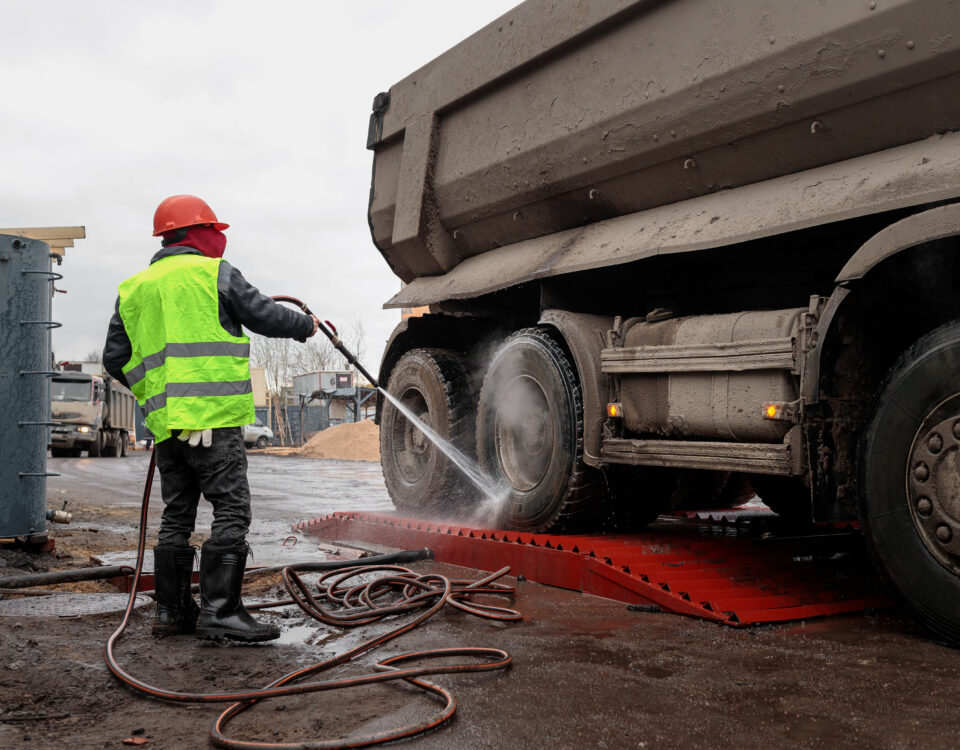
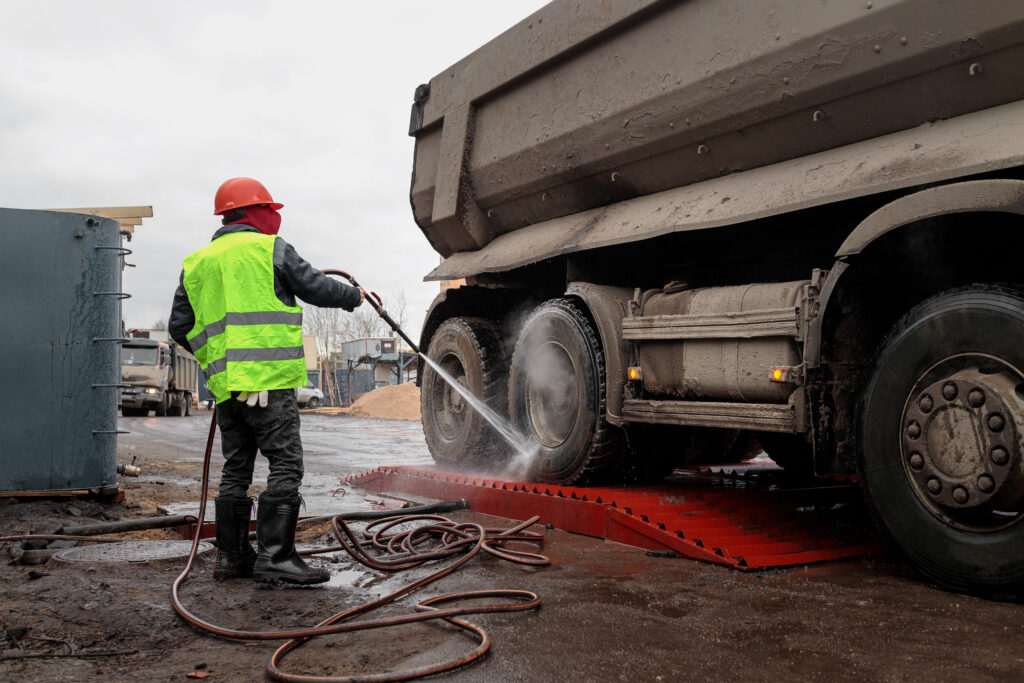
An industrial wheel wash system removes mud and debris before vehicles leave the site.
By cleaning tires and undercarriages at the exit point, wheel wash systems help prevent large amounts of mud from being deposited onto nearby roads.
Modern automated wheel wash systems are designed to operate effectively even during periods of heavy vehicle traffic and challenging site conditions.
Why Does Track-Out Increase During Mud Season?
When soil becomes saturated, mud adheres more easily to tires, wheel wells, and vehicle frames.
As trucks travel across a site, they collect larger amounts of material than they would during dry conditions. Without a wheel wash system, much of this material eventually ends up on public roadways.
The result is a significant increase in cleanup requirements and potential compliance concerns.
Can Wheel Wash Systems Reduce Road Cleanup Costs?
Yes.
Many facilities spend substantial amounts on:
-
Street sweeping
-
Pressure washing
-
Labor for cleanup
-
Equipment operation
-
Dust suppression
Wheel wash systems help reduce the amount of debris reaching the roadway, which can significantly decrease these ongoing expenses.
Do Wheel Wash Systems Help Protect Public Roads?
Absolutely.
Mud tracked onto roads can create slippery surfaces and contribute to pavement deterioration over time.
Keeping roads cleaner helps protect local infrastructure while creating safer conditions for motorists and commercial vehicles.
This is especially important near active construction zones and industrial facilities with frequent truck traffic.
How Do Wheel Wash Systems Support Environmental Compliance During Wet Conditions?
Rain and stormwater can carry tracked-out sediment into drainage systems, streams, and other waterways.
According to the U.S. EPA Construction Stormwater Program, sediment control is an important part of protecting water quality and reducing environmental impacts.
Wheel wash systems help limit the amount of sediment leaving a site, supporting broader compliance efforts.
Can Water Recycling Systems Operate During Mud Season?
Yes.
Many modern wheel wash installations utilize water recycling systems that separate sediment from wash water and allow water to be reused.
This approach helps facilities maintain cleaning performance while reducing freshwater consumption and operating costs.
Which Industries Face the Biggest Mud Season Challenges?
Wheel wash systems are particularly valuable for:
-
Construction contractors
-
Mining operations
-
Aggregate producers
-
Quarries
-
Landfills
-
Waste management facilities
-
Infrastructure projects
These industries often experience significant vehicle traffic in environments where soil disturbance is unavoidable.
What Happens If Mud Season Is Ignored?
Failing to address excessive track-out can lead to:
-
Increased cleanup expenses
-
Community complaints
-
Reduced site efficiency
-
Environmental concerns
-
Potential project delays
As muddy conditions worsen, these issues can quickly become costly and time-consuming to manage.
Are Wheel Wash Systems a Seasonal Tool or a Year-Round Investment?
While wheel wash systems provide tremendous value during mud season, their benefits extend throughout the year.
They help control dust during dry periods, reduce debris on roads, support compliance efforts, and improve overall site cleanliness regardless of weather conditions. Organizations evaluating options should review key wheel wash system features and strengths to ensure they select a solution that can perform reliably in all seasons.
For organizations that regularly manage truck traffic, a wheel wash system is not simply a seasonal solution—it's a year-round investment in operational excellence.
What's the Bottom Line?
Mud season creates some of the toughest operating conditions industrial facilities face. The combination of wet soil, heavy truck traffic, and environmental concerns can quickly turn into a costly challenge.
Industrial wheel wash systems help organizations stay ahead of these issues by reducing track-out, lowering cleanup costs, improving compliance efforts, and keeping roads cleaner during even the wettest months of the year.
When the weather turns muddy, having the right wheel wash solution can make all the difference. Industry resources such as Construction Dive frequently highlight the importance of proactive site management strategies that improve efficiency and reduce operational risks.