
How Industrial Wheel Wash Systems Improve Construction Site Efficiency: Frequently Asked Questions
June 2, 2026
How Industrial Wheel Wash Systems Support ESG and Sustainability Goals: Frequently Asked Questions
June 16, 2026
Why Do Landfills Need Industrial Wheel Wash Systems? Frequently Asked Questions
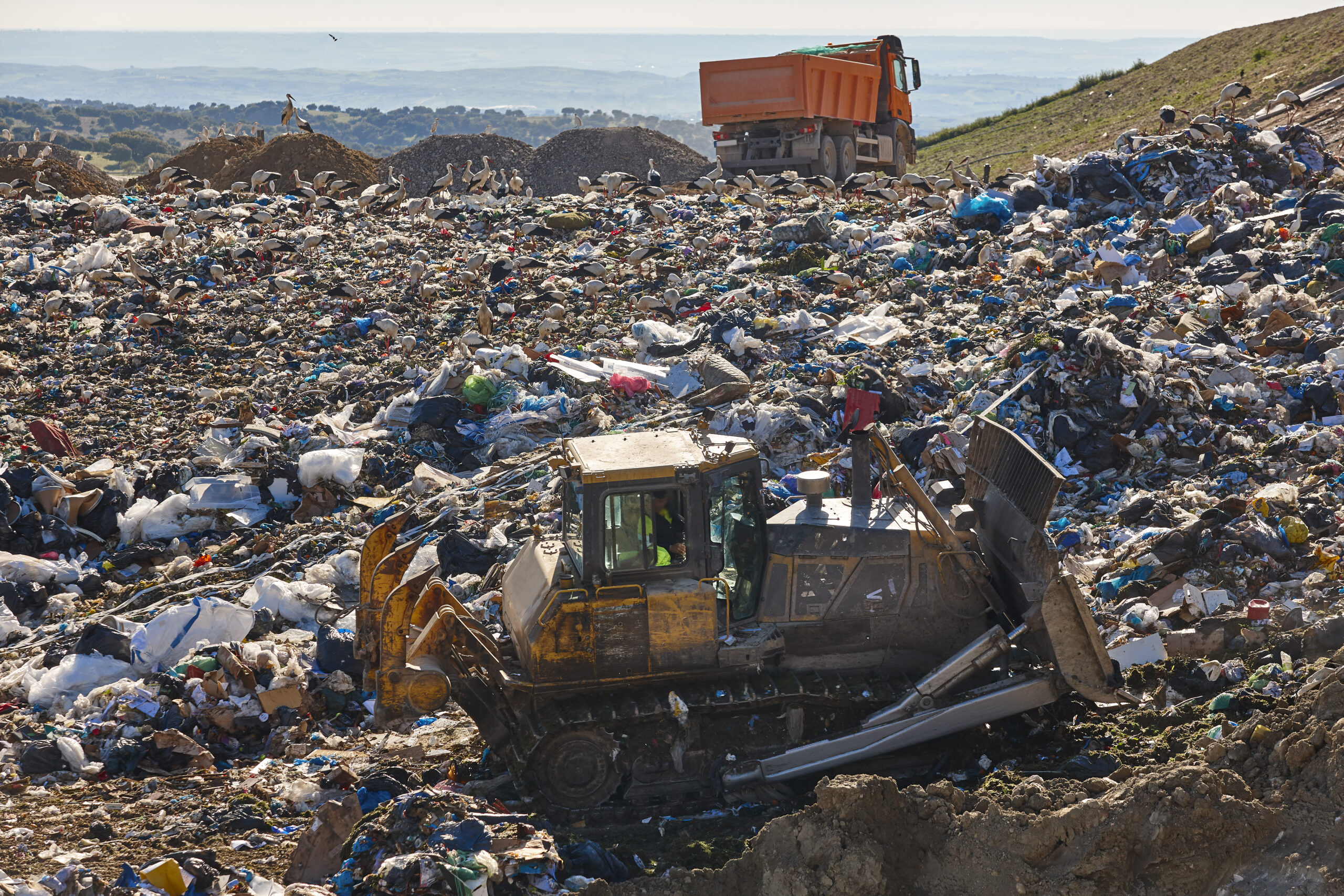
Landfills and waste management facilities face unique operational challenges. Heavy truck traffic, changing weather conditions, and strict environmental regulations make site cleanliness a constant priority.
One of the most effective tools for maintaining cleaner roads and reducing off-site contamination is an industrial wheel wash system. If you're evaluating solutions for a landfill or waste facility, here are answers to some of the most common questions.
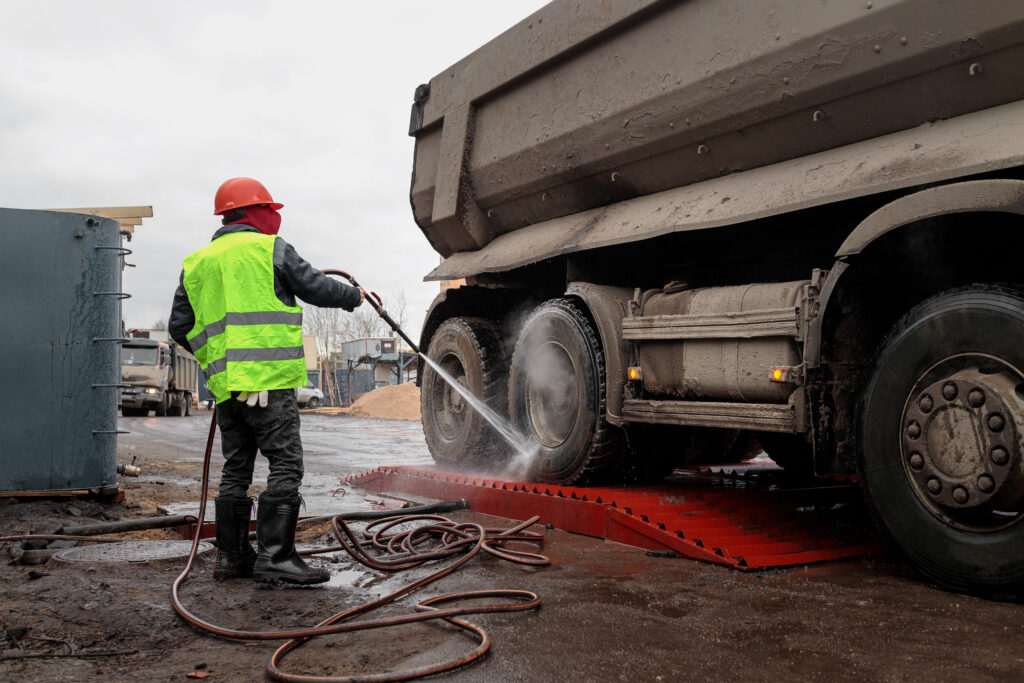
What Is an Industrial Wheel Wash System?
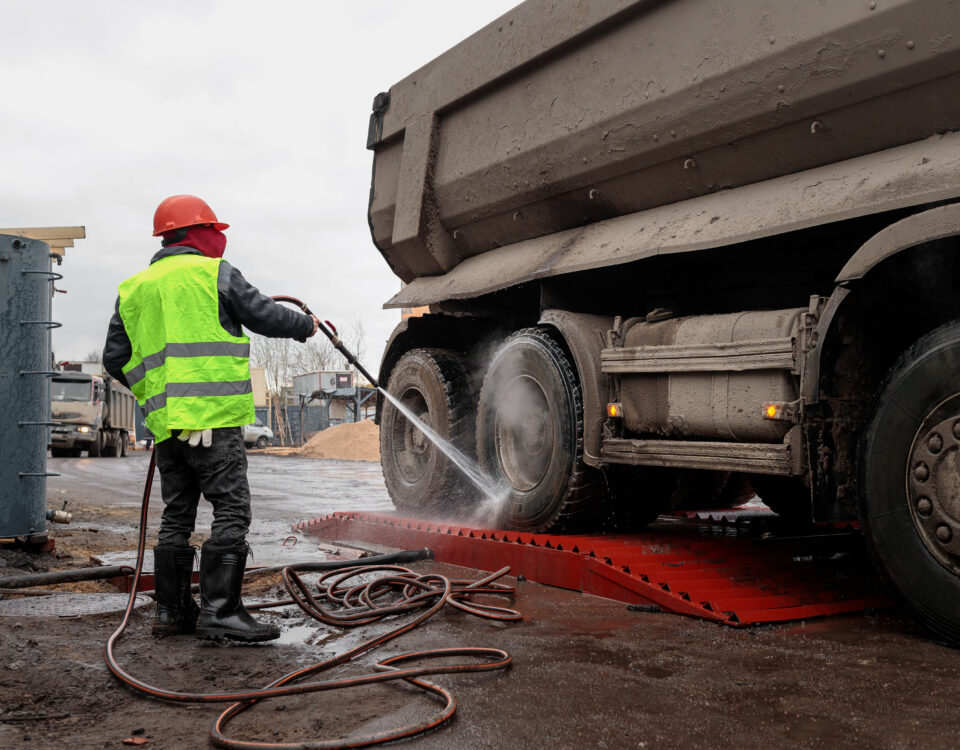
An industrial wheel wash system is designed to remove mud, dirt, waste residue, and debris from vehicle tires and undercarriages before trucks leave a facility.
By cleaning vehicles at the exit point, wheel wash systems help prevent contaminants from being carried onto public roads and neighboring properties.
Many modern automated wheel wash systems provide fast and effective cleaning while maintaining smooth traffic flow.
Why Are Wheel Wash Systems Important for Landfills?
Landfills experience constant vehicle movement throughout the day.
Collection trucks, transfer vehicles, contractors, and heavy equipment regularly travel through areas where mud, dirt, and waste materials can accumulate on tires.
Without a wheel wash system, these materials can be transported off-site, creating cleanliness, safety, and compliance concerns.
What Types of Contaminants Can Leave a Landfill on Vehicle Tires?
Depending on site conditions, vehicles may carry:
-
Mud and sediment
-
Dust
-
Organic waste residue
-
Construction debris
-
Soil and aggregate materials
-
Leachate-contaminated dirt
A wheel wash system helps reduce the amount of material leaving the facility and reaching surrounding roadways.
Can Wheel Wash Systems Help Improve Community Relations?
Yes.
One of the most common complaints surrounding landfill operations involves dirt, mud, dust, and debris on nearby roads.
Keeping trucks cleaner before they leave the property helps demonstrate responsible site management and reduces the likelihood of complaints from residents and neighboring businesses.
Clean roads contribute to a more positive perception of landfill operations within the community.
How Do Wheel Wash Systems Support Environmental Compliance?
Environmental compliance is a major priority for landfill operators.
According to the U.S. Environmental Protection Agency (EPA), proper waste management includes practices that help protect surrounding land and water resources.
Wheel wash systems support these efforts by reducing the movement of contaminants beyond facility boundaries.
Do Wheel Wash Systems Help Control Dust?
Absolutely.
As mud and debris dry on roads, they can become airborne dust.
Dust can create visibility concerns, contribute to complaints, and increase maintenance requirements throughout the surrounding area.
Removing debris before vehicles leave the site helps reduce future dust generation and supports cleaner operations.
Can Wheel Wash Systems Reduce Road Maintenance Costs?
Many landfill operators spend considerable time and money maintaining roads and entrances.
Common expenses include:
-
Street sweeping
-
Pressure washing
-
Labor costs
-
Dust suppression
-
Equipment operation
By reducing track-out, wheel wash systems help minimize these ongoing maintenance requirements.
What Role Does Water Recycling Play?
Water efficiency is important for many waste management facilities.
Modern water recycling systems allow operators to capture, filter, and reuse wash water, reducing overall consumption while maintaining cleaning performance.
This can help lower operating costs and support sustainability initiatives.
Do Wheel Wash Systems Improve Safety?
Cleaner roads contribute to safer driving conditions.
Mud and debris can reduce traction and create hazards for both facility vehicles and the general public.
By keeping roadways cleaner, wheel wash systems help support safer vehicle movement and reduce potential risks.
Are Wheel Wash Systems Beneficial for Transfer Stations and Recycling Centers?
Yes.
Transfer stations, recycling facilities, and material recovery centers often experience many of the same challenges as landfills, including truck traffic, debris accumulation, and dust generation.
Wheel wash systems can help these facilities maintain cleaner operations and improve overall site management.
What Should Landfill Operators Look for in a Wheel Wash System?
Important considerations include:
-
Cleaning effectiveness
-
Water recycling capabilities
-
Durability
-
Ease of maintenance
-
Throughput capacity
-
Reliability in harsh environments
Facilities with heavy truck traffic should choose a system capable of performing consistently under demanding conditions. When comparing options, it's helpful to review key wheel wash system features and strengths to determine the best fit for your operation.
What's the Bottom Line?
Landfills and waste management facilities face unique challenges when it comes to maintaining clean roads and protecting the surrounding environment.
Industrial wheel wash systems provide an effective solution for reducing track-out, controlling dust, improving community relations, supporting compliance efforts, and lowering maintenance costs.
For landfill operators seeking cleaner, safer, and more efficient operations, a wheel wash system is an investment that delivers benefits both inside and outside the facility gates. Industry organizations focused on environmental stewardship, such as Environmental Leader, continue to highlight the importance of sustainable operational practices across waste management facilities.