
Why Do Landfills Need Industrial Wheel Wash Systems? Frequently Asked Questions
June 9, 2026
Why Wheel Wash Placement Matters for Industrial Sites
June 23, 2026
How Industrial Wheel Wash Systems Support ESG and Sustainability Goals: Frequently Asked Questions
Environmental responsibility is no longer just a regulatory requirement—it's becoming a business priority. From construction companies and mining operations to manufacturers and waste management facilities, organizations are increasingly focused on Environmental, Social, and Governance (ESG) initiatives that improve sustainability and demonstrate corporate responsibility.
Industrial wheel wash systems can play an important role in supporting these efforts. Below are answers to common questions about how wheel wash technology aligns with ESG and sustainability objectives.
What Is an Industrial Wheel Wash System?
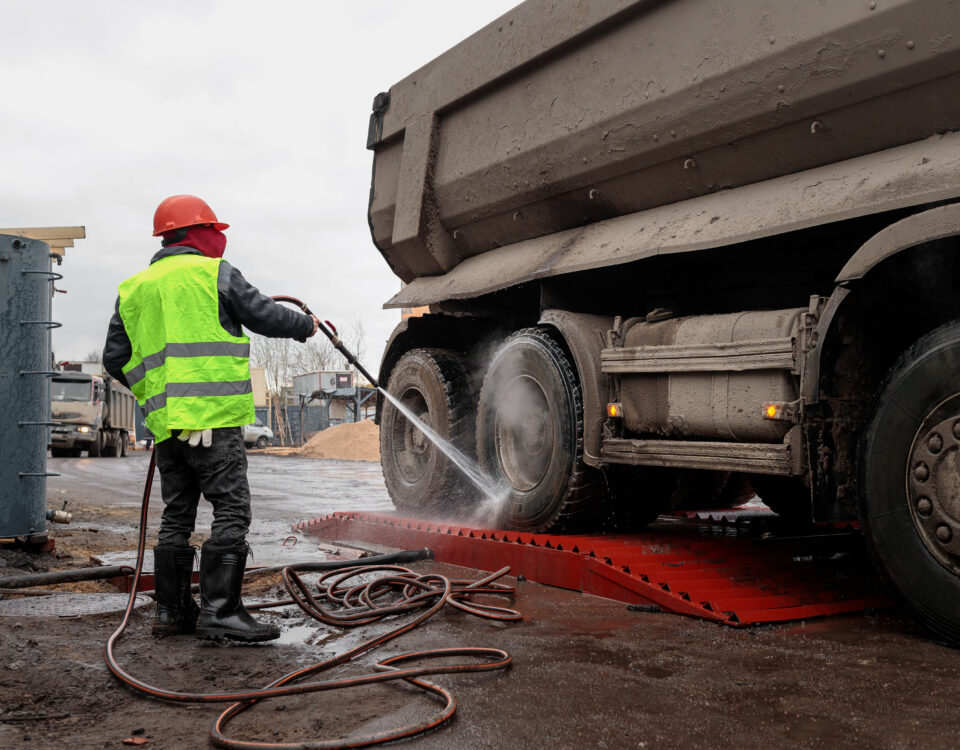
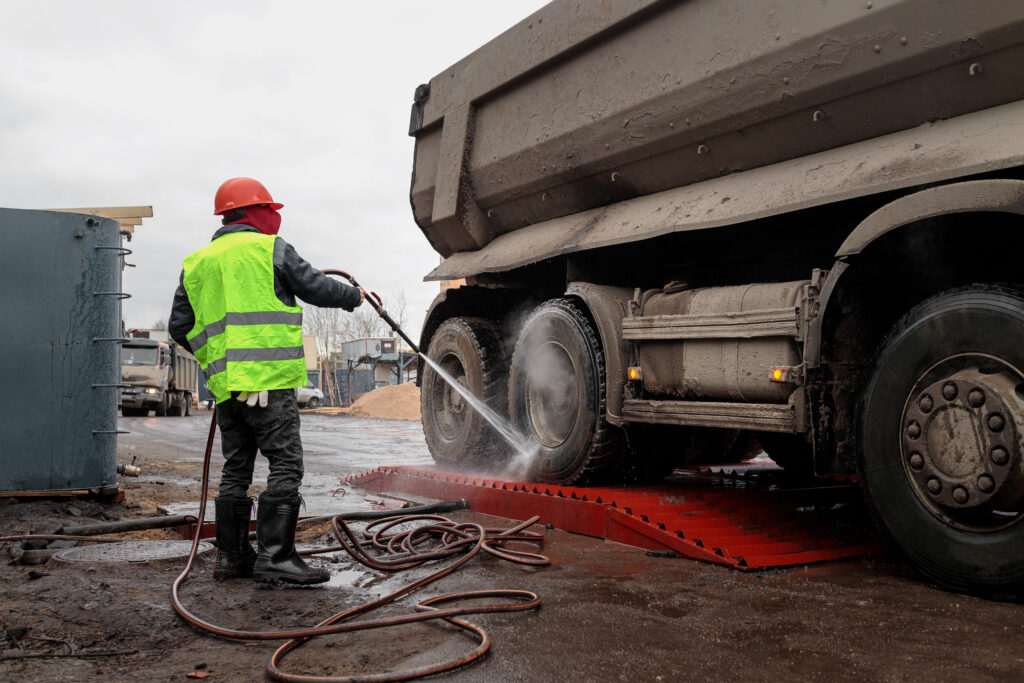
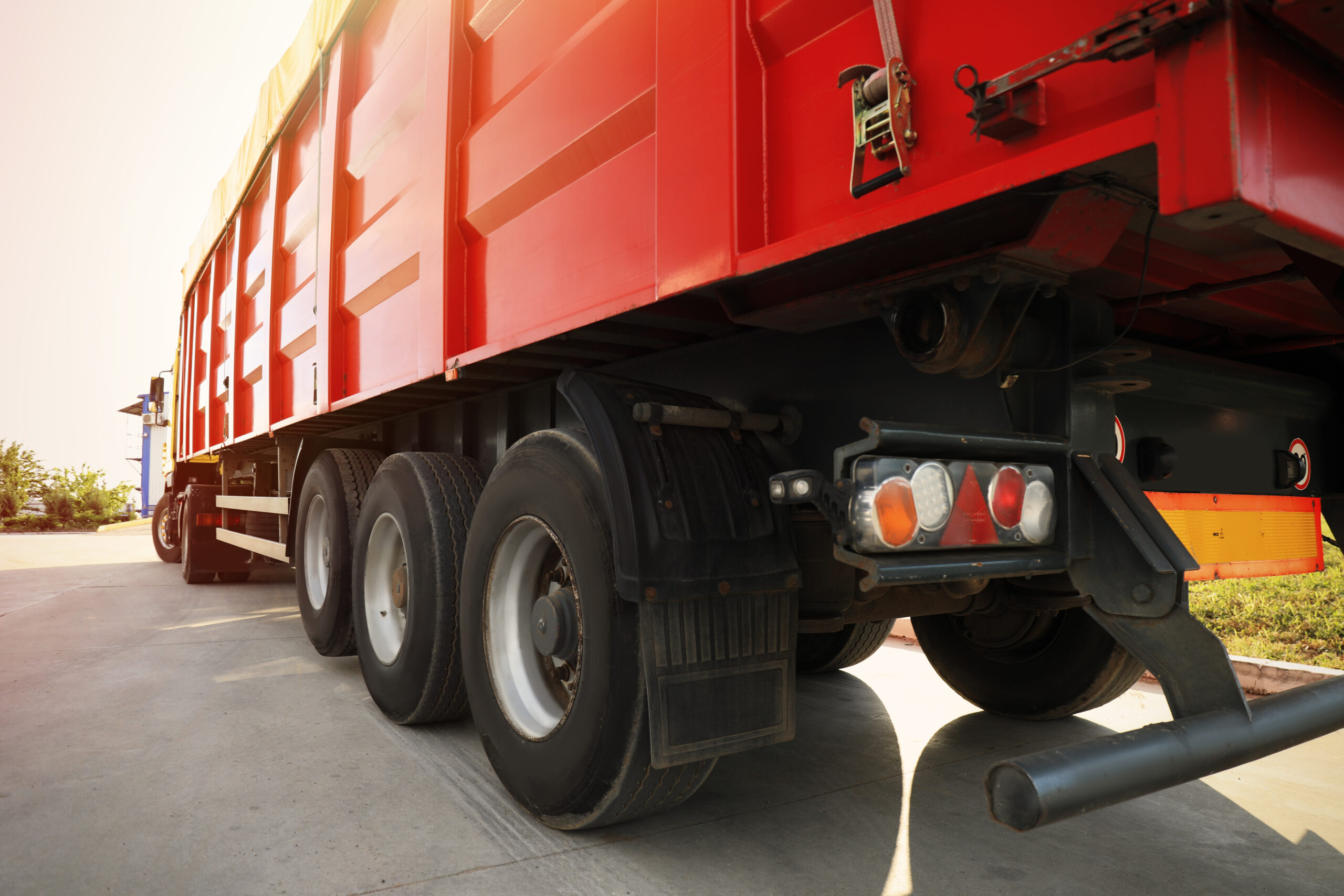
An industrial wheel wash system is designed to remove mud, dirt, sediment, and debris from vehicle tires and undercarriages before trucks leave a work site.
By preventing contaminants from being transported onto public roads, wheel wash systems help organizations maintain cleaner operations while reducing environmental impacts.
Modern automated wheel wash systems provide efficient vehicle cleaning with minimal disruption to site productivity.
What Are ESG Goals?
ESG stands for Environmental, Social, and Governance.
These principles are increasingly used by companies, investors, customers, and stakeholders to evaluate an organization's commitment to sustainable and responsible business practices.
Examples include:
-
Reducing environmental impacts
-
Conserving natural resources
-
Protecting community interests
-
Improving operational transparency
-
Promoting responsible management practices
Many industrial organizations now include ESG performance as part of their long-term business strategy.
How Do Wheel Wash Systems Support Environmental Goals?
Wheel wash systems help reduce the amount of sediment, dirt, and debris that leaves a site.
This contributes to environmental objectives by helping organizations:
-
Reduce roadway contamination
-
Minimize sediment runoff
-
Improve site cleanliness
-
Support stormwater management efforts
-
Reduce dust generation
These benefits align closely with many environmental performance initiatives.
Can Wheel Wash Systems Help Reduce Water Consumption?
Yes.
Many facilities utilize water recycling systems that capture, filter, and reuse wash water.
This approach can significantly reduce freshwater consumption while maintaining effective cleaning performance.
Water conservation is a key sustainability metric for many organizations, making recycling technology an important feature.
How Do Wheel Wash Systems Support Community Relations?
The "Social" component of ESG often focuses on how businesses interact with surrounding communities.
Mud, dust, and debris on public roads can lead to complaints from nearby residents and businesses.
By helping keep roads cleaner, wheel wash systems demonstrate a commitment to being a responsible neighbor and minimizing operational impacts on the community.
Can Wheel Wash Systems Help Reduce Dust Emissions?
Absolutely.
When tracked-out mud dries, it often becomes airborne dust. Dust can impact air quality, reduce visibility, and create nuisance conditions for nearby properties.
Removing contaminants before vehicles leave a site helps reduce future dust generation and supports cleaner working and living environments.
How Do Wheel Wash Systems Support Compliance Efforts?
Strong governance includes maintaining compliance with environmental regulations and project requirements.
According to the U.S. Environmental Protection Agency (EPA), controlling sediment and pollutants is an important part of environmental stewardship and responsible site management.
Wheel wash systems help organizations support these objectives by reducing off-site contamination.
Which Industries Use Wheel Wash Systems to Support Sustainability Goals?
Wheel wash systems are commonly used in:
-
Construction
-
Mining
-
Quarry operations
-
Waste management
-
Landfills
-
Manufacturing
-
Infrastructure development
These industries often face increased scrutiny regarding environmental performance and community impacts. Organizations evaluating solutions can review important wheel wash system features and strengths to better understand how different systems support sustainability objectives.
Do ESG Programs Influence Business Opportunities?
Increasingly, yes.
Many project owners, government agencies, and private-sector clients evaluate environmental performance when selecting contractors and suppliers.
Demonstrating a commitment to sustainability initiatives can strengthen an organization's reputation and improve its competitiveness.
Wheel wash systems provide a visible example of proactive environmental management.
Are Wheel Wash Systems Part of a Broader Sustainability Strategy?
They should be.
While a wheel wash system alone won't achieve ESG goals, it can be an important component of a comprehensive environmental management program.
When combined with water conservation, dust control, recycling initiatives, and responsible site management practices, wheel wash systems help organizations move closer to their sustainability objectives.
Industry organizations such as the Global Reporting Initiative (GRI) emphasize the importance of measurable environmental actions that support long-term sustainability performance.
What's the Bottom Line?
Industrial wheel wash systems do much more than clean truck tires. They help organizations reduce environmental impacts, conserve resources, improve community relations, and strengthen ESG performance.
As sustainability expectations continue to grow across industries, wheel wash systems offer a practical and measurable way to support environmental responsibility while maintaining efficient operations.
For companies seeking to align operational practices with modern ESG goals, a wheel wash system is an investment that delivers benefits far beyond the job site.