How Industrial Wheel Wash Systems Support ESG and Sustainability Goals: Frequently Asked Questions
June 16, 2026
Why Do Quarries and Aggregate Operations Need Industrial Wheel Wash Systems?
July 2, 2026
Why Wheel Wash Placement Matters for Industrial Sites
Industrial wheel wash systems are essential for keeping mud, sediment, and debris from leaving construction sites, landfills, mines, quarries, and other demanding operations. However, even a well-designed system performs best when it is installed in the right location.
The following questions explain how thoughtful placement can improve cleaning performance, support traffic flow, and help protect surrounding roads.
What Is an Industrial Wheel Wash System?
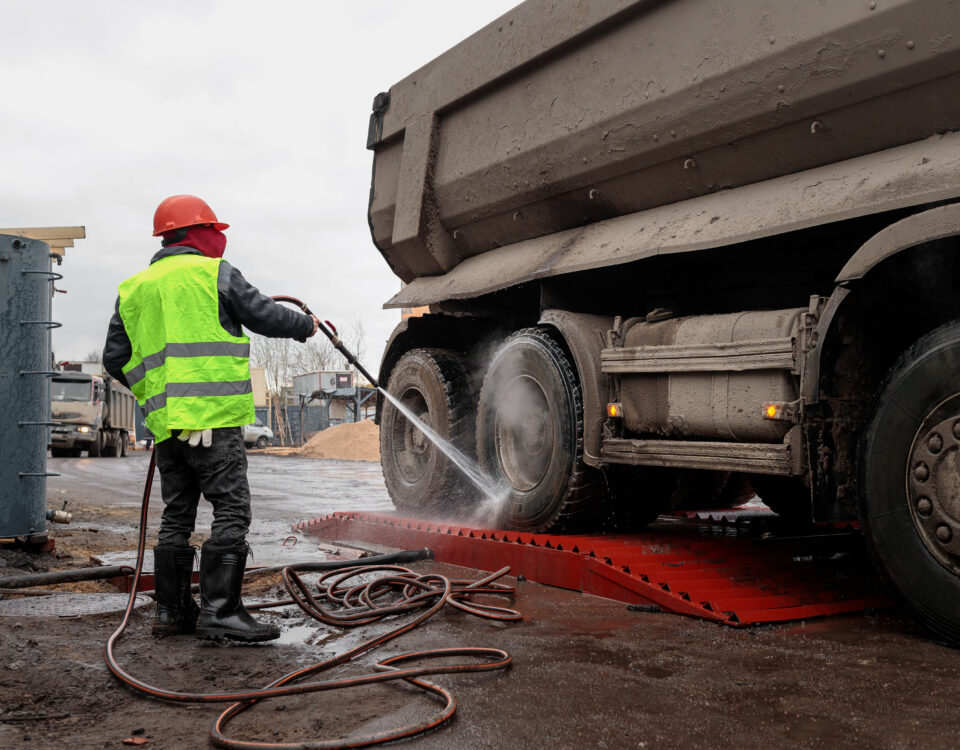
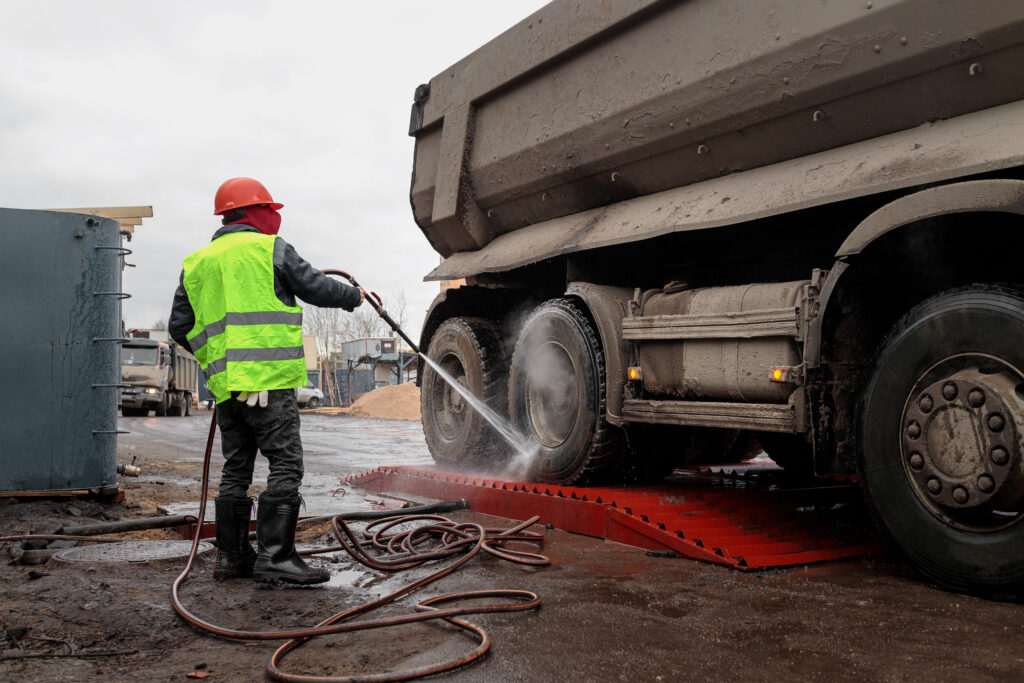
An industrial wheel wash system removes dirt, mud, and other materials from vehicle tires and undercarriages before trucks leave a work site. Vehicles drive through a dedicated wash platform where strategically positioned water jets clean the areas most likely to carry debris.
Modern automated wheel wash systems provide consistent cleaning without requiring employees to wash every vehicle manually. This makes them a practical solution for busy sites where dozens—or even hundreds—of trucks may pass through each day.
Why Does Wheel Wash Placement Matter?
The system needs enough space to clean each vehicle before it reaches a public road. When a wash platform is too close to the exit, water and loosened sediment may continue dripping from the truck after it leaves the site.
Providing an appropriate distance between the wheel wash and the roadway gives vehicles time to shed excess water within a controlled area. It also creates room for drainage features, sediment collection, ramps, and traffic controls.
The correct placement can reduce roadway contamination while helping the wash area remain organized and manageable.
Where Should the System Be Installed?
In most cases, the wheel wash should be installed along the primary route used by exiting vehicles. The traffic pattern should naturally direct trucks through the system, making it difficult for drivers to bypass the wash.
The location should also provide stable ground, sufficient drainage, and convenient access for inspection and maintenance. According to the EPA’s guidance on construction track-out controls, entrances and exits should be positioned in well-drained areas when possible and away from streams or wetlands.
How Does Traffic Volume Affect the Layout?
A site handling a few trucks per hour has different requirements than an operation processing continuous heavy traffic. High-volume locations may need wider approaches, longer platforms, or separate entrance and exit lanes to prevent backups.
Managers should evaluate the largest vehicle using the site, the number of trucks expected each day, and peak operating periods. Neptune’s guide to choosing a system also considers soil conditions because sandy material, dust, and sticky clay require different levels of cleaning.
Should Drainage Be Planned Before Installation?
Yes. Drainage is one of the most important parts of a successful wheel wash layout. Wash water must be collected and managed rather than allowed to flow toward public roads, storm drains, or nearby waterways.
A properly designed recycling and sediment-separation system captures dirty water, allows solids to settle, and returns reusable water to the wash. This closed-loop approach can reduce fresh-water demand while supporting cleaner site operations.
The EPA recommends directing wash water into a sediment trap or another appropriate treatment area so contaminated water remains onsite.
Can Placement Improve Workplace Safety?
A well-planned wash area can support safer vehicle movement by reducing sharp turns, unexpected stops, and conflicts between trucks and workers. Clear signs, adequate lighting, visible lane markings, and enough space for large vehicles can make the process easier for drivers.
Cleaning mud from tires may also improve traction as trucks transition from an unpaved work area to a paved road.
How Can Innovative Equipment Solutions Help?
Every operation has different soil, equipment, traffic, drainage, and installation requirements. Innovative Equipment Solutions evaluates these factors to recommend an industrial wheel wash system suited to the site.
Planning the location carefully helps the system clean effectively, control track-out, reduce unnecessary maintenance, and keep vehicles moving. With the right equipment and layout, a wheel wash becomes more than a cleaning station—it becomes an important part of a safer, cleaner, and more efficient operation.