From Track-Out to Clean Roads: Exploring the Benefits of Neptune Wheel Wash Technology
November 17, 2025
Why Clean Tires Matter for Safety Compliance on Industrial Sites
December 4, 2025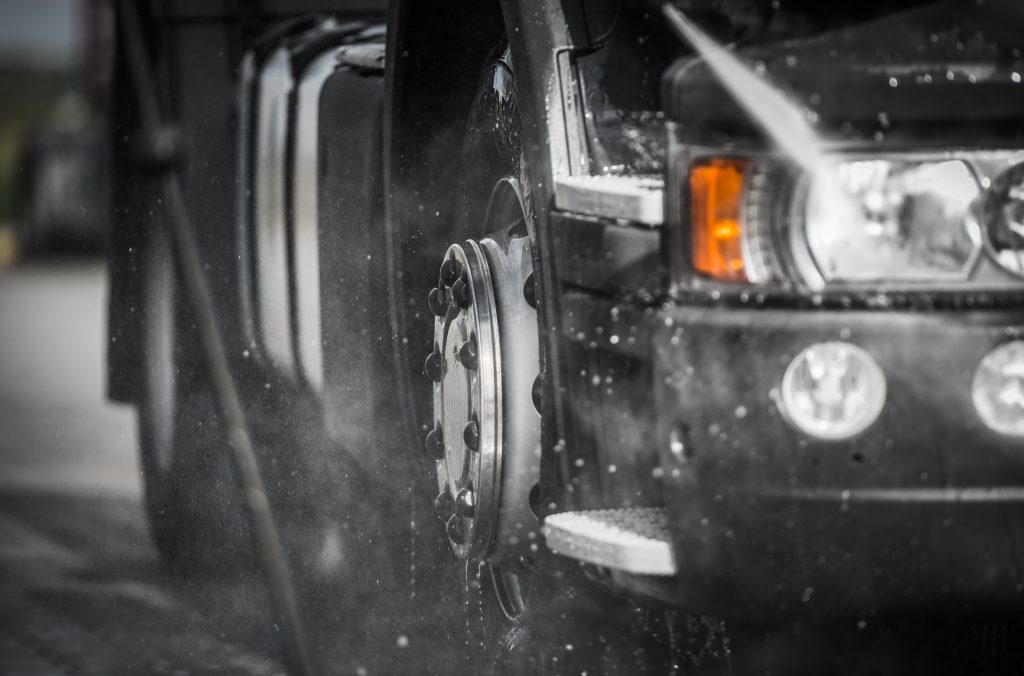
Job site contamination has become one of the most visible and challenging issues facing construction, mining, and industrial operations today. As projects grow larger and regulatory oversight increases, controlling mud, dirt, and sediment leaving a site is no longer optional. Contamination tracked onto public roads, sidewalks, and drainage systems can lead to safety hazards, environmental damage, and serious compliance issues. Traditional cleanup methods often react to the problem after it occurs, but modern sites require proactive solutions. This is where IES/Neptune Wheel Wash Systems have emerged as a trusted and effective answer.
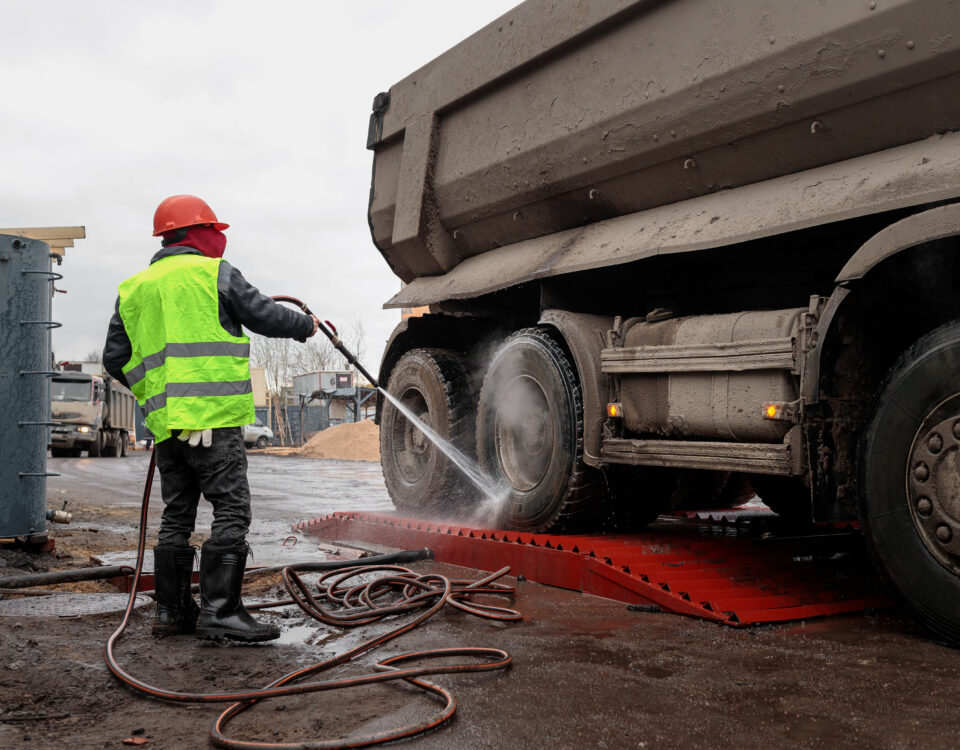
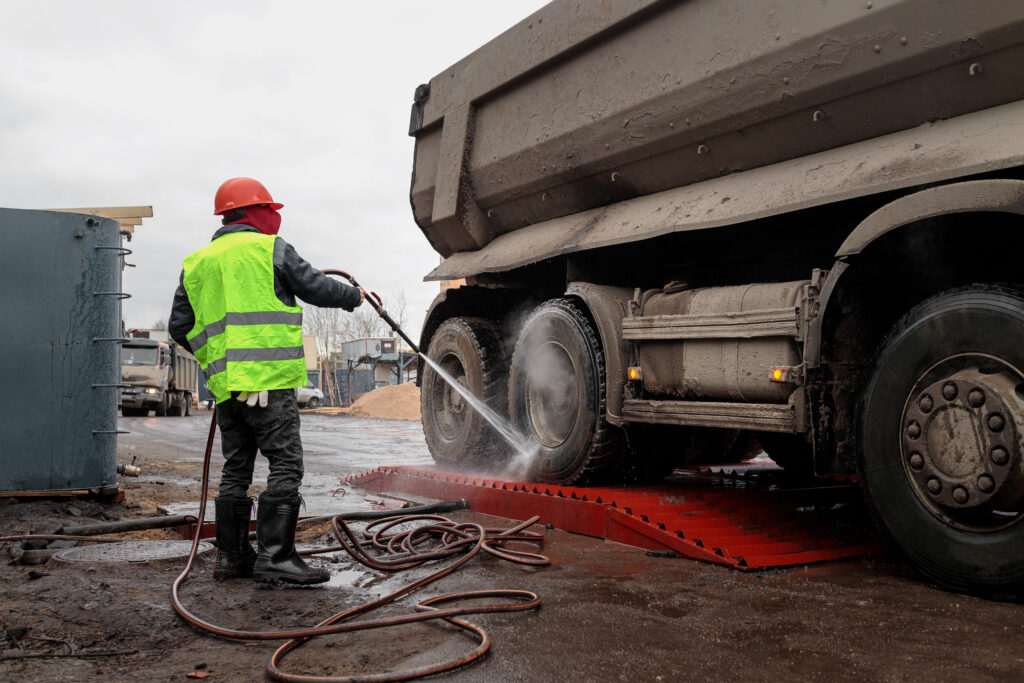
IES/Neptune Wheel Wash Systems are designed to address contamination at its source. Instead of relying on manual washing, street sweeping, or temporary fixes, Neptune systems automatically clean vehicle tires and undercarriages before trucks exit the site. This approach prevents mud and debris from ever reaching public infrastructure. Developed by Innovative Equipment Solutions, Neptune systems are built by professionals who understand real job site demands, not just theoretical design requirements. Their background in excavation and heavy construction directly influenced the durability and functionality of every system. An overview of available wheel wash solutions can be found at https://www.neptunewash.com/automated-wheel-wash-systems/.
One of the most important advantages of Neptune wheel wash systems is consistency. Manual wash methods depend heavily on labor availability, worker attention, and weather conditions. In contrast, an automated Neptune system delivers the same level of cleaning for every vehicle, every time. Strategically positioned spray nozzles integrated into the wash platform deliver high volumes of water at controlled pressure, ensuring thorough removal of debris without damaging tires or undercarriage components. This consistent performance is critical for sites with high traffic volumes, where even a single missed vehicle can result in contamination issues.
Safety is a major concern tied directly to job site contamination. Mud and sediment tracked onto roads can create slippery conditions that increase the risk of accidents for motorists, pedestrians, and cyclists. These hazards can expose contractors to liability claims and strained relationships with local communities. By preventing track-out, Neptune wheel wash systems help keep roads clean and safe, reinforcing a contractor’s commitment to public safety. Clean exit points also reduce dust and debris being pulled back onto the site, improving traction and reducing slip hazards for equipment operators and workers.
Environmental compliance is another area where Neptune systems deliver significant value. Many construction projects operate under stormwater permits that require strict control of sediment and runoff. When debris leaves a site, it often enters storm drains and waterways, contributing to pollution and environmental degradation. Automated wheel wash systems help reduce this risk by minimizing offsite contamination before it occurs. Regulatory agencies view track-out as a visible indicator of site management, and having a Neptune system in place demonstrates proactive compliance. For broader guidance on stormwater and sediment control expectations, the U.S. Environmental Protection Agency provides resources at https://www.epa.gov/npdes.
Water management is also a key component of modern contamination control, and Neptune wheel wash systems are designed with sustainability in mind. Many Neptune systems feature closed-loop water recycling, capturing used wash water, allowing solids to settle out, and reusing filtered water for continued operation. This significantly reduces fresh water consumption and minimizes discharge, making it easier for sites to comply with water-use restrictions and environmental regulations. Sustainable water practices are increasingly important in today’s construction landscape, and Neptune systems align with these evolving expectations. Additional insights into water efficiency and system design are available on the Neptune Wash blog at https://www.neptunewash.com/blog/.
Operational efficiency further sets Neptune wheel wash systems apart. Manual contamination control often requires additional labor, frequent cleanup, and costly downtime when issues arise. Automated systems streamline site exits, allowing trucks to move through quickly without disrupting traffic flow. Over time, this efficiency can lead to reduced labor costs, fewer delays, and lower expenses associated with fines or emergency cleanup. Automation also removes variability, ensuring contamination control remains effective regardless of staffing changes or shift schedules.
Flexibility is another hallmark of IES/Neptune systems. Every job site has unique conditions, from soil type and weather patterns to traffic volume and project duration. Neptune offers a range of configurations, including temporary and permanent installations, to meet these varying needs. Systems can be relocated as projects evolve or installed long-term for industrial facilities requiring ongoing contamination control. This adaptability ensures that Neptune wheel wash systems remain effective throughout every phase of a project.
Ultimately, job site contamination is not just an operational nuisance—it is a serious safety, environmental, and compliance concern. IES/Neptune Wheel Wash Systems provide a modern, reliable solution that addresses contamination before it becomes a problem. By combining durable design, automated consistency, water efficiency, and regulatory support, Neptune systems help contractors protect their projects, their reputation, and the communities they serve. For companies seeking a smarter approach to contamination control, Neptune wheel wash technology represents a practical investment in cleaner, safer, and more responsible job site management.